Gambia to pay victims $2.5 million from Yahya Jammeh’s Maryland mansion sale – 2026 plan
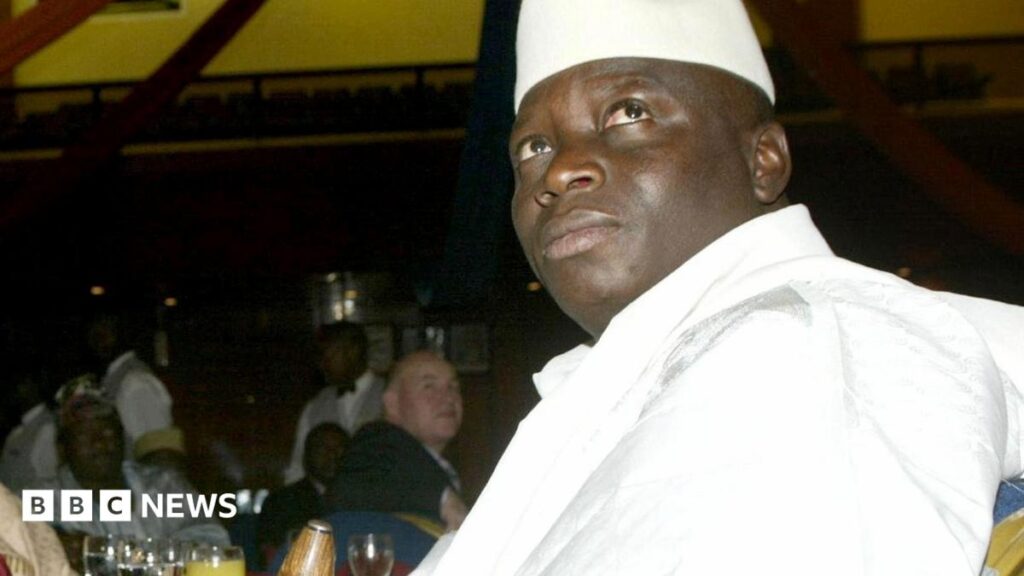
Background: Jammeh’s legacy and the hunt for illicit assets
Yahya Jammeh seized power in The Gambia through a 1994 coup and ruled for 22 years, a period marked by widespread human‑rights violations, political repression, and allegations of massive embezzlement. International watchdogs estimated that he and his inner circle siphoned off anywhere between $1 billion and $1.5 billion from state coffers, leaving the tiny West African nation heavily indebted.
When Jammeh was finally ousted in a 2016‑17 political transition backed by the Economic Community of West African States (ECOWAS), the new government under President Adama Barrow pledged to pursue asset recovery as a cornerstone of national reconciliation. Over the past decade, Gambian officials, with assistance from the United Nations Office on Drugs and Crime (UNODC) and the US Department of Justice, have targeted properties, bank accounts, and luxury items linked to the former dictator.
The United States played a pivotal role after a 2022 civil‑suit filed by the Gambian government accused Jammeh of laundering proceeds of corruption through US real‑estate. The case culminated in a court order that froze several of his overseas holdings, including a sprawling 4‑bedroom mansion in Maryland’s affluent Bethesda suburb.
The Maryland mansion sale: from legal battle to cash
The Bethesda property, bought in 2009 for roughly $4 million, was listed on the market after the 2022 seizure and attracted interest from several high‑end buyers. After a competitive bidding process, the house sold in March 2026 for $2.5 million, a figure lower than its purchase price but reflective of the rapid disposal required by the court‑ordered timeline.
The proceeds were transferred directly to a special Gambian government account overseen by the Office of the Attorney General and the Anti‑Corruption Commission. According to a statement from the Ministry of Finance, the $2.5 million will be earmarked exclusively for victim compensation, a promise that was central to the 2017 transition agreement with civil‑society groups.
Legal experts note that the sale demonstrates how asset‑recovery mechanisms can convert frozen foreign‑based luxury assets into tangible reparations. However, they also caution that the modest amount recovered—just a fraction of the alleged total theft—highlights the difficulty of tracing and liquidating offshore wealth tied to authoritarian regimes.
Compensation scheme: who benefits and how the money will be distributed
The Gambian government has outlined a three‑phase compensation program. Phase 1, slated for early 2027, will prioritize victims of torture, unlawful detention, and forced disappearances who filed claims with the Truth, Reconciliation and Reparations Commission (TRRC). Phase 2 will address families of those who died under Jammeh’s security forces, while Phase 3 will cover broader economic losses such as expropriated land and businesses.
To manage the process, the TRRC will set up a digital portal where claimants can upload documentation, including medical reports, court records, and witness statements. An independent audit firm, appointed by the World Bank, will verify each claim to prevent fraud and ensure transparency. The $2.5 million is expected to fund roughly 4,000 verified victims, translating to an average payout of $625 per person—a modest but symbolically important gesture.
Diaspora organisations have welcomed the move but stress that the amount is insufficient to fully address the scale of harm. The Gambian diaspora in the United Kingdom and the United States, which has been active in lobbying for justice, is urging the government to pursue additional assets still frozen in Europe and the Gulf to supplement the compensation pool.
Regional ripple effects: a precedent for African asset recovery
Gambia’s success in converting a seized overseas property into reparations could serve as a template for other African states grappling with kleptocratic legacies. Nations such as Nigeria, Kenya, and the Democratic Republic of Congo have long complained that illicit wealth remains hidden in foreign banks, limiting their ability to fund public services.
The case also reinforces the growing cooperation between African anti‑corruption bodies and Western legal systems. Following the Jammeh settlement, ECOWAS’s Asset Recovery Unit announced a joint task force with the US Department of Justice to track and seize assets linked to former leaders in Sierra Leone and Liberia. This collaborative approach may accelerate the flow of recovered funds back to African victims.
Critics, however, warn that without robust domestic institutions to manage the inflow, recovered assets could be misallocated. The Gambian experience underscores the need for transparent, citizen‑led oversight mechanisms—a lesson that other countries are watching closely as they design their own reparations frameworks.
What’s next: timelines, oversight, and potential hurdles
The government has set a tentative deadline of December 2027 to complete the first round of payouts, after which it will publish a detailed report on the distribution process. An independent monitoring committee, comprising civil‑society representatives, former TRRC commissioners, and international auditors, will publish quarterly updates to keep the public informed.
Potential obstacles remain. Legal challenges could arise if claimants dispute the verification criteria, and there is a risk that the modest fund may be exhausted before all eligible victims are compensated. Moreover, ongoing investigations into Jammeh’s other overseas holdings could delay additional recoveries, leaving the government to seek supplementary financing from international donors or the private sector.
For the Gambian diaspora, the compensation initiative is both a closure point and a call to action. Community leaders are mobilising fundraising drives to supplement the state‑provided payouts and to support legal aid for claimants still navigating the TRRC process. Their involvement could ensure that the $2.5 million serves as a catalyst rather than a ceiling for broader reparative justice.
Quick Answers
How much money did Gambia receive from the sale of Yahya Jammeh’s Maryland mansion?
Gambia received $2.5 million from the March 2026 sale of Jammeh’s Bethesda, Maryland, mansion.
Who will receive the compensation from the seized assets?
Victims of Jammeh’s human‑rights abuses, including survivors of torture, families of the disappeared, and those who suffered economic loss, will be paid through a three‑phase program managed by the TRRC.
What legal mechanism allowed the United States to seize Jammeh’s property?
A US court order issued after a 2022 civil‑suit by the Gambian government, citing money‑laundering and corruption statutes, froze and later authorized the sale of the property.
Source: www.bbc.co.uk




💬 Comments 0