Garmin Fenix 9 & 9 Pro Launch 2026: What Nigerian Adventurers Must Know
Garmin’s foothold in the wearable world and the Fenix legacy
Since its first GPS watch hit the market in 2003, Garmin has built a reputation for blending precise navigation with rugged durability. The brand’s Fenix series, launched in 2012, quickly became the go‑to device for outdoor enthusiasts who need more than a simple step counter.
In Africa, the demand for reliable navigation tools has risen alongside the growth of adventure tourism, trail running, and off‑road safaris. Local tour operators in Kenya, South Africa, and Rwanda have long relied on Garmin’s satellite accuracy to chart routes where cellular coverage is spotty.
The new Fenix 9 and Fenix 9 Pro arrive at a time when the continent’s middle‑class is expanding, and with it, purchasing power for premium tech. According to a 2025 report by GSMA, smartphone penetration in Sub‑Saharan Africa topped 70%, creating a fertile ground for secondary devices like smartwatches.
What’s inside the Fenix 9 and Fenix 9 Pro
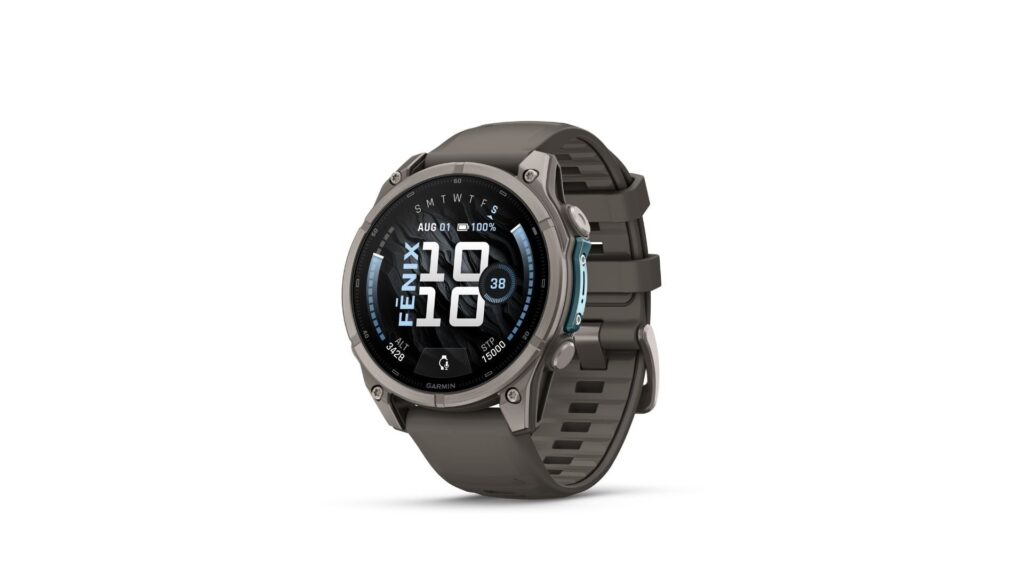
Both models keep the classic stainless‑steel bezel and sapphire‑glass face, but the Pro adds a solar‑charging lens that can extend battery life up to 24 days in optimal sunlight, a feature that matters for multi‑day treks across the Sahara or the Drakensberg.
Health sensors have been upgraded: the watches now support wrist‑based pulse‑ox, advanced sleep staging, and a new stress‑tracking algorithm that uses heart‑rate variability to suggest recovery breaks during long‑haul drives on the Trans‑West African Highway.
Navigation‑wise, the Pro version includes multi‑band GNSS support (GPS, GLONASS, Galileo, and BeiDou), giving it better lock in dense forest canopies of the Congo Basin. Pre‑loaded topographic maps cover the entire African continent, and users can download region‑specific trail data via Garmin Connect.
Pricing reflects the premium positioning: the base Fenix 9 starts at $699, while the Pro sits at $899. While still above the average disposable income in many African countries, the watches are being positioned for serious athletes, expedition guides, and affluent travellers.
Why the launch matters for African outdoor culture
Adventure tourism is a fast‑growing sector in Africa, with UNESCO reporting a 12% annual rise in inbound eco‑tourists between 2022 and 2025. Accurate navigation and reliable health monitoring can reduce the risk of accidents on remote routes, a concern that has historically hampered wider participation.
For professional athletes—think Kenyan marathoners training at high altitude or South African mountain bikers tackling the Cape Epic—the Fenix 9’s training metrics provide data that can be shared instantly with coaches abroad, bridging the gap caused by limited local sports science infrastructure.
The watches also have a social impact. In remote villages where electricity is intermittent, the solar‑charging capability offers a low‑maintenance way to keep devices alive, supporting community health programmes that track vital signs during field clinics.
Finally, the launch signals to African retailers that high‑end wearables are now part of the market mix. Major electronics chains in Lagos, Nairobi, and Accra have already placed the Fenix 9 on their shelves, indicating confidence that local consumers will adopt premium outdoor tech.
Connecting the launch to broader tech and lifestyle trends
Post‑COVID, the global shift toward outdoor recreation has dovetailed with a surge in digital health tracking. In 2024, the World Health Organization highlighted a 15% increase in physical‑activity apps usage across Africa, suggesting a ready audience for devices that combine fitness data with navigation.
Wearable competition is intensifying. Apple’s Watch Ultra, released in 2022, targeted a similar rugged niche, but its reliance on an iPhone ecosystem limits adoption in markets where Android dominates. Garmin’s decision to keep the Fenix line Android‑friendly and to offer offline maps gives it a strategic edge in Africa.
Another trend is the rise of “digital nomad” visas across several African nations, including Mauritius and Rwanda. Remote workers who blend work with weekend hikes will likely see the Fenix 9 as a tool that satisfies both productivity (notifications, calendar sync) and adventure needs.
Finally, the launch aligns with the continent’s push toward home‑grown tech ecosystems. Start‑ups in Lagos and Nairobi are already developing third‑party apps that integrate Garmin’s API to offer localized weather alerts and wildlife‑sighting crowdsourcing, turning the watch into a platform for community‑driven data.
What’s next for Garmin and African users
Garmin has hinted at a partnership with the African Union’s Sports Commission to supply Fenix watches for training camps ahead of the 2027 All‑Africa Games. If confirmed, the move could standardise data collection for athletes across the continent and raise the profile of the brand among emerging talent.
Local distributors are expected to roll out financing options, such as “buy‑now‑pay‑later” schemes, to make the watches more accessible to a broader segment of the market. Early adopters are already sharing custom watch‑faces that showcase African landmarks, from Table Mountain to Mount Kilimanjaro.
Software updates will be crucial. Garmin promises a 2026 firmware that adds offline translation for common trail signs in Swahili, French, and Arabic, a feature that could help cross‑border trekkers navigate the vast Sahel region without relying on mobile data.
For consumers, the key takeaway is to evaluate whether the added solar panel and multi‑GNSS support justify the price premium. If your activities involve multi‑day expeditions, high‑altitude training, or need reliable health insights where clinics are far away, the Fenix 9 Pro may well be worth the investment.
Quick Answers
How long does the Garmin Fenix 9 Pro battery last in solar mode?
In optimal sunlight, the solar lens can extend battery life to about 24 days, compared with roughly 14 days in standard mode.
Are the Garmin Fenix 9 watches compatible with Android phones?
Yes, they sync via Bluetooth with the Garmin Connect app on Android and iOS, and they work fully offline without a phone.
Where can I buy the Fenix 9 in Nigeria?
Major electronics retailers in Lagos and Abuja, as well as online platforms like Jumia and Konga, stock the Fenix 9 and Fenix 9 Pro.
Source: lifehacker.com




💬 Comments 0