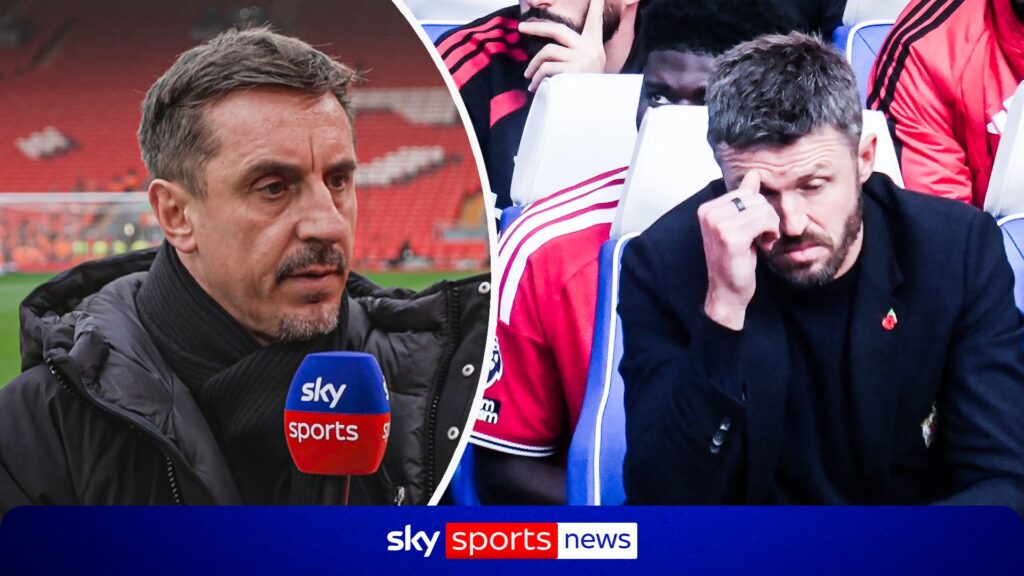
Gary Neville says Manchester United’s slump is “really worrying” after 2-0 loss to Liverpool in 2026
Season at a glance: United's slide into crisis
Manchester United entered the 2026‑27 Premier League campaign with high expectations, banking on a strong start to secure a Champions League spot and satisfy a global fan base that generates billions in revenue each year. By early November, however, the Red Devils had slipped to seventh place, having lost three of their last five league matches and drawn two, including a 2‑0 defeat at Anfield that left the squad winless in four consecutive games. The poor run has sparked intense scrutiny of Erik ten Hag’s tactics, squad depth and the club’s transfer policy, especially after a costly 4‑1 loss to rivals Liverpool in the previous month.
The dip in form has also exposed lingering injury problems that have kept key players like Marcus Rashford and Lisandro Martínez off the pitch for extended periods. Meanwhile, new signings such as Portuguese midfielder João Figueiredo have struggled to adapt to the pace of the Premier League, prompting questions about the scouting network’s ability to identify talent that can thrive in England’s most demanding competition.
Neville’s blunt assessment and what it tells us
During a live broadcast on Sky Sports, former England defender and United legend Gary Neville described the situation as "really worrying," adding that the club’s recent performances “lack the intensity and defensive solidity that we expect from a side that claims to be a global powerhouse.” Neville, who spent 19 years at Old Trafford, highlighted a tactical rigidity that has left United vulnerable against high‑pressing opponents, noting that ten Hag’s reliance on a 4‑2‑3‑1 formation has become predictable, according to his analysis on the show.
Neville also pointed to the psychological impact of the slump, suggesting that the squad’s confidence has eroded after a string of narrow defeats. He warned that without decisive action—whether through a change in personnel, a tactical overhaul, or a shift in the club’s leadership culture—United could find themselves battling for a Europa League place rather than contending for the Premier League title, a scenario that would have far‑reaching financial and branding consequences.
Why the crisis matters beyond the pitch
Manchester United’s standing in the league directly influences its commercial engine. The club’s broadcast agreements with Sky, BT Sport and an expanding slate of African partners are tiered according to performance metrics such as Champions League qualification. Missing out on Europe would trigger a reduction in the share of revenue from these deals, potentially shaving off up to £200 million from the club’s annual income, according to a recent financial analysis by Deloitte.
Beyond the balance sheet, the United brand is a cultural touchstone for millions of African supporters, who consume club merchandise at higher rates than any other Premier League side. A prolonged slump could dampen demand for jerseys and accessories in markets such as Nigeria, Ghana and Kenya, where United’s official retail partners have reported a 12 percent dip in sales over the past two months.
African fans and markets feel the ripple effect
The Red Devils have cultivated a deep connection with African audiences through historic players like George Weah, Kolo Toure and more recently, the Guinean‑born forward Paul Pogba, whose presence helped boost viewership across the continent. While United currently lack a senior African star in the squad, the club’s academy continues to scout talent from West Africa, and the current uncertainty may affect the confidence of young prospects hoping to follow in those footsteps.
Moreover, United’s partnership with African telecom giant Safaricom, which includes co‑branded content and mobile‑first fan experiences, is tied to the club’s on‑field success. A decline in performance threatens to reduce engagement rates on Safaricom’s platforms, potentially prompting the sponsor to renegotiate terms or shift investment to a rival club that can guarantee higher visibility during marquee fixtures.
A broader trend: former players shaping the narrative
Neville’s outspoken criticism reflects a growing pattern where ex‑players leverage their media platforms to influence club policy and fan sentiment. In recent years, pundits such as Jamie Carragher and Roy Keane have similarly called for managerial changes at Liverpool and Manchester City, respectively, prompting boardrooms to react more swiftly to public pressure. This dynamic underscores a shift in football governance where media commentary can accelerate decision‑making, especially when club fortunes affect global brand equity.
The phenomenon also aligns with the Premier League’s heightened scrutiny of performance metrics. Clubs now operate under a data‑driven environment where win‑loss ratios, expected goals (xG) and commercial KPIs are publicly dissected. Neville’s remarks, amplified by millions of viewers, add another layer of accountability that clubs must navigate, particularly when their brand is as internationally valuable as United’s.
What’s next for United: possible pathways out of the slump
Looking ahead, United face a crucial transfer window that could determine whether they arrest the decline or spiral further. Sources close to the club suggest that a bid for a dynamic African winger—potentially Ghanaian prodigy Kofi Kwakye—has been placed on the table, a move that would both address on‑field needs and re‑ignite African fan enthusiasm. Simultaneously, reports indicate that ten Hag may be considering a tactical shift to a more fluid 3‑5‑2 system to better exploit the squad’s wing‑back strengths.
If results do not improve, the board may be forced to entertain speculation about ten Hag’s future, a scenario that would echo the managerial turnover seen at other top clubs in recent seasons. Meanwhile, United’s supporters’ groups have already organized a series of peaceful protests outside Old Trafford, demanding clarity and decisive action. The outcome of these combined pressures—media scrutiny, commercial stakes, and fan activism—will shape the club’s trajectory for the remainder of the season and beyond.
Quick Answers
What did Gary Neville say about Manchester United's recent form?
Neville called United's slump "really worrying" and said the team lacks intensity and defensive solidity.
How could Manchester United's poor performance affect African fans?
A decline could lower merchandise sales, reduce broadcast viewership, and weaken sponsorship deals with African partners like Safaricom.
What are Manchester United's options to reverse the slump?
The club may adjust tactics, pursue new signings—potentially an African winger—and consider managerial changes if results do not improve.
Source: www.skysports.com

💬 Comments 0