Gianni Infantino apologizes to FIFA Council Thursday 2026 meeting, avoids reform details
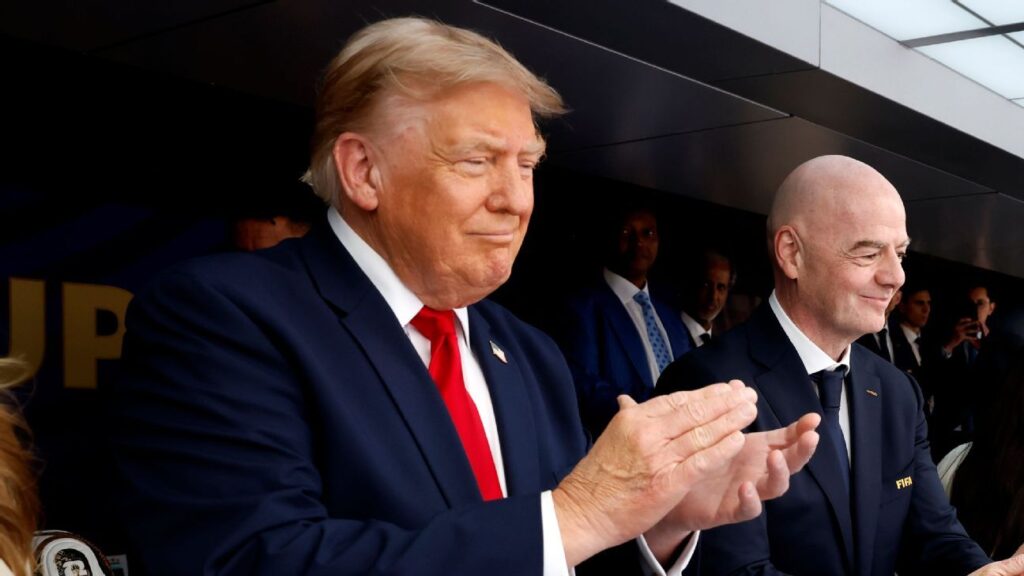
Background: Infantino’s strained relationship with the Council
Since taking over the FIFA presidency in 2016, Gianni Infantino has faced periodic backlash from the 35‑member FIFA Council, especially over transparency, financial oversight and the handling of the World Cup bidding processes. The council, which includes representatives from Africa, Asia, Europe and the Americas, has repeatedly called for more concrete evidence on alleged corruption and for a clearer roadmap for governance reforms.
In recent months, the council’s criticism intensified after a series of leaked documents suggested irregularities in the distribution of World Cup hosting revenues. African delegates, led by CAF President Patrice Motsepe, pressed for a detailed accounting of the funds earmarked for continental development projects. The tension peaked at the February 2026 council session, where several members walked out in protest.
The apology and its content
During Thursday’s council meeting, Infantino stood before his critics and offered a public apology for “any misunderstanding or frustration” caused by the lack of forthcoming documentation. He emphasized his commitment to “open dialogue” but stopped short of presenting the promised financial reports or a timeline for the long‑awaited reforms.
The apology was brief and largely ceremonial. Infantino reiterated that FIFA had “made significant progress” on its reform agenda, yet he declined to disclose any new data, citing ongoing legal reviews. Observers noted that the tone mirrored previous statements made at the 2023 FIFA Congress, where Infantino promised transparency but delivered only vague assurances.
Why the silence on reforms matters for African football
African football federations depend heavily on FIFA’s development grants, which fund grassroots programs, stadium upgrades and coaching education across the continent. The absence of detailed financial disclosures fuels suspicion that allocated funds are being diverted or delayed, jeopardising projects that have already faced construction setbacks in Nigeria, Kenya and South Africa.
Motsepe and other CAF leaders have warned that continued opacity could trigger a funding freeze, compelling African associations to seek alternative financing from private sponsors or government budgets. Such a shift would undermine FIFA’s long‑standing claim that it is the primary catalyst for football growth in the Global South.
Moreover, the lack of clarity hampers the credibility of the upcoming 2027 FIFA World Cup bidding process, where several African nations—most notably Egypt and Morocco—have expressed interest. Without transparent financial stewardship, these bids risk being dismissed as financially untenable by both the council and potential commercial partners.
Pattern of governance crises and the impact on CAF
Infantino’s apology fits a broader pattern of governance turbulence that has rippled through FIFA since the 2015 corruption scandal. Repeated promises of reform have often been followed by incremental changes rather than systemic overhauls, leaving member associations uneasy.
For CAF, the pattern translates into a strategic dilemma. On one hand, the confederation seeks to leverage FIFA’s resources to expand the African Champions League and launch a women’s continental tournament. On the other, it must navigate a council that appears reluctant to enforce stricter accountability measures, a stance that could erode trust among African sponsors and fans.
Recent reports from African sports journalists indicate that several national federations are drafting contingency plans, including the formation of independent audit committees, to monitor the flow of FIFA‑allocated funds. These moves underscore a growing desire within the continent to self‑regulate in the face of perceived global inaction.
What could happen next: reforms, elections, and African stakes
The next FIFA Congress, scheduled for March 2027 in Bangkok, will be the first major forum where member associations can vote on a revised governance charter. Sources close to CAF say the African bloc intends to rally its votes around a proposal that mandates quarterly financial disclosures and an independent oversight board with equal continental representation.
If the proposal gains traction, it could force Infantino’s administration to adopt a more rigorous audit regime, potentially unlocking stalled development projects across Africa. Conversely, a defeat would likely embolden the president’s current approach, leaving the status quo—and the accompanying uncertainty—intact.
Beyond the congress, the looming 2027 World Cup bid cycle will test the practical impact of any reforms. African nations will scrutinise FIFA’s funding commitments more closely than ever, and the ability of CAF to negotiate favorable terms may hinge on the transparency outcomes of the upcoming governance vote.
Quick Answers
What did Gianni Infantino apologize for at the FIFA Council meeting?
He apologized for the frustration caused by not providing the promised financial documents and detailed reform updates to the council.
How could the lack of detail affect African football federations?
Without clear financial disclosures, African federations risk losing development grants, which could stall stadium projects and grassroots programs.
When is the next FIFA Congress where reforms may be discussed?
The next FIFA Congress is set for March 2027 in Bangkok, where member associations will vote on a revised governance charter.
Source: www.espn.com




💬 Comments 0