Hamza Abdelkarin signs new Barcelona deal 2026 – Egypt’s ‘Haaland of the Nile’ returns
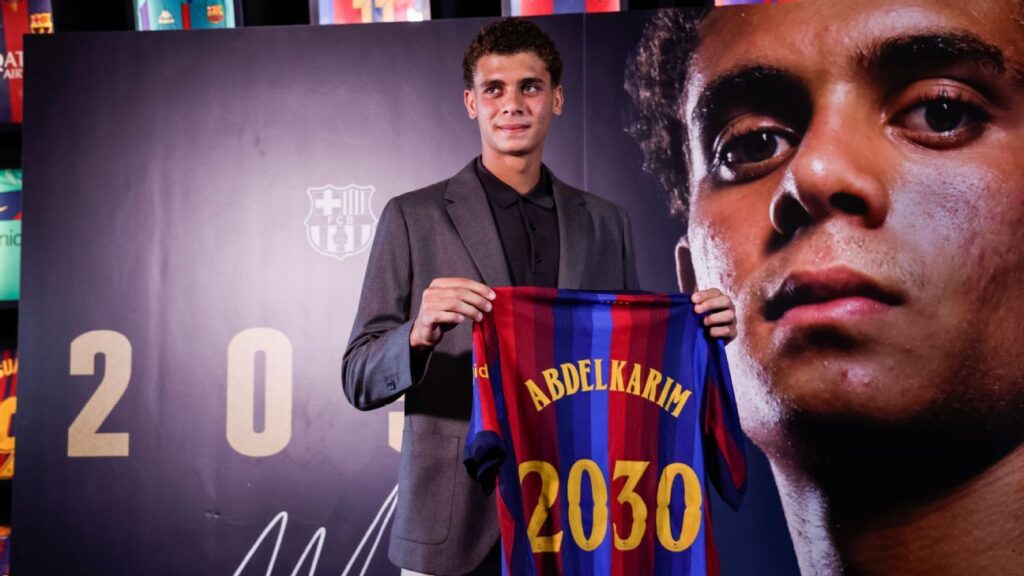
From Cairo’s streets to Camp Nou: Abdelkarin’s meteoric rise
Born in Alexandria in 2002, Hamza Abdelkarin burst onto the Egyptian scene with Al Ahly’s youth academy before becoming the youngest ever top‑scorer in the Egyptian Premier League at 18. His 28‑goal haul in the 2023‑24 season attracted attention from several European scouts, but it was Barcelona’s new scouting network in North Africa that secured his first professional move to Europe in the summer of 2025.
In his debut season with Barcelona B, Abdelkarin logged 12 goals and four assists across 22 appearances, showcasing a blend of physicality and finishing that reminded pundits of Erling Haaland’s early days. The nickname “Haaland of the Nile” first appeared on Egyptian sports talk shows, quickly spreading across social media and cementing his status as a continental prospect.
His performances earned him a call‑up to the senior Egyptian national team for the 2026 World Cup qualifiers, where he scored a decisive header against Libya. The combination of club form and international impact positioned him as one of the most valuable African assets in Europe at just 24.
The new Barcelona contract: what the numbers say
On Tuesday, Barcelona announced a five‑year extension for Abdelkarin, reportedly worth €45 million in total wages plus a €30 million release clause. The deal also includes performance‑related bonuses tied to La Liga goals and Champions League appearances, mirroring the structure given to other emerging talents like Pedri and Gavi.
Club president Joan Laporta highlighted the contract as a statement of intent: “We are building a squad that blends European experience with African brilliance. Hamza embodies the future we envision.” The extension pushes Abdelkarin’s salary into the top‑tier of the squad, indicating that the Catalan side expects him to transition from the B team to regular first‑team minutes within the next two seasons.
The contract also contains a clause allowing Barcelona to loan the striker to another European club if he does not break into the starting eleven by the end of the 2027‑28 season. This safety net reflects Barcelona’s cautious optimism, balancing the desire for home‑grown talent with the financial realities of a club still recovering from past overspending.
Why Abdelkarin’s deal matters for African football
Abdelkarin’s renewed commitment to Barcelona signals a shift in how top European clubs view African talent. Historically, African players have entered Europe through a series of intermediary clubs in Portugal, Belgium or France. Barcelona’s direct investment shows confidence in scouting networks that bypass traditional pathways, potentially opening doors for more Egyptian and North‑African prospects.
For the Egyptian Premier League, the deal is a double‑edged sword. On one hand, it validates the league’s ability to develop world‑class forwards, encouraging local clubs to retain and nurture talent longer. On the other, it may accelerate the talent drain, as more young stars look to Europe for higher wages and global exposure. The Egyptian Football Association has already pledged to improve youth academies, hoping to turn this trend into a sustainable pipeline rather than a loss.
The diaspora community in Europe, especially in France and the United Kingdom, has responded with pride. Social media threads show Egyptian expatriates celebrating the contract as a cultural milestone, arguing that Abdelkarin’s visibility will inspire a new generation of players who see a realistic route to elite football without compromising their identity.
A broader pattern: European clubs courting African prodigies
Barcelona is not alone in its African outreach. Over the past three years, clubs like Manchester United, Juventus, and Bayern Munich have signed teenagers from Senegal, Ghana, and Nigeria, often offering contracts that include marketing clauses aimed at tapping into burgeoning African fan bases. This trend aligns with the continent’s projected 2.5 billion‑person consumer market by 2030, making football talent a strategic entry point for brand expansion.
The “Haaland of the Nile” moniker also reflects a media narrative that European outlets use to package African stars for global audiences. While the nickname boosts visibility, it can also create unrealistic expectations. Analysts at the International Centre for Sports Studies (CIES) warn that such labels may pressure young players, potentially affecting performance and mental health.
Nevertheless, the financial upside is undeniable. Abdelkarin’s contract includes a revenue‑share model where a percentage of merchandise sales in Egypt and the broader MENA region flows back to Barcelona. Early estimates suggest the club could generate an additional €5 million annually, a modest but growing stream that validates the commercial logic behind African signings.
Reactions on the ground: fans, media, and the national team
Egyptian newspapers such as Al‑Masry Al‑Youm hailed the contract as “a victory for Egyptian football,” emphasizing that Abdelkarin’s success could spur investment in local academies. Former Egypt striker Mohamed Salah praised the move on Instagram, noting that “the Nile now has a new flow that reaches Barcelona’s heart.”
Barcelona supporters were more measured. While many celebrated the addition of a dynamic forward, some expressed concern about squad depth, especially after the club’s recent defensive rebuild. Fan forums in Catalonia debated whether Abdelkarin should be fast‑tracked into the first team or continue his development with Barcelona B and occasional senior‑team cup appearances.
The Egyptian national team coach, Rui Vitoria, confirmed that Abdelkarin will feature prominently in the upcoming Africa Cup of Nations qualifiers, citing his “European training and hunger for goals” as vital assets. Vitoria also hinted that the player’s presence in Spain could facilitate friendly matches between Egypt and La Liga clubs, creating new revenue and exposure opportunities for the Egyptian FA.
What’s next for Abdelkarin and Barca’s African strategy
In the short term, Abdelkarin is expected to train with Barcelona’s first‑team squad during preseason, with a likely debut in the Copa del Rey against a lower‑division side in late August. If he registers a goal or two, the coaching staff may grant him minutes in La Liga matches when the schedule permits rotation.
Long‑term, the contract positions Abdelkarin as a cornerstone of Barcelona’s rebuilding plan under Xavi Hernández, who has publicly advocated for a blend of technical finesse and physical presence up front. Should Abdelkarin replicate his B‑team form, he could become the club’s primary striker by 2028, potentially replacing the aging Robert Lewandowski.
For African football, the deal could trigger a domino effect: more clubs will scout directly in Egypt, Nigeria, and the Sahel, while local federations may negotiate better training compensation and solidarity payments. The success—or failure—of Abdelkarin’s integration will likely be used as a case study by agents, investors, and policymakers across the continent.
Quick Answers
What length is Hamza Abdelkarin's new Barcelona contract?
He signed a five‑year deal that runs until 2031, with a €30 million release clause.
How does Abdelkarin’s signing affect Egyptian football?
It highlights Egypt’s ability to produce top talent, encouraging clubs to invest in youth academies while also raising concerns about a talent drain to Europe.
Will Abdelkarin play for Barcelona’s first team immediately?
He will train with the senior squad in preseason and is likely to debut in the Copa del Rey, with gradual league minutes expected over the next two seasons.
Source: www.espn.com




💬 Comments 0