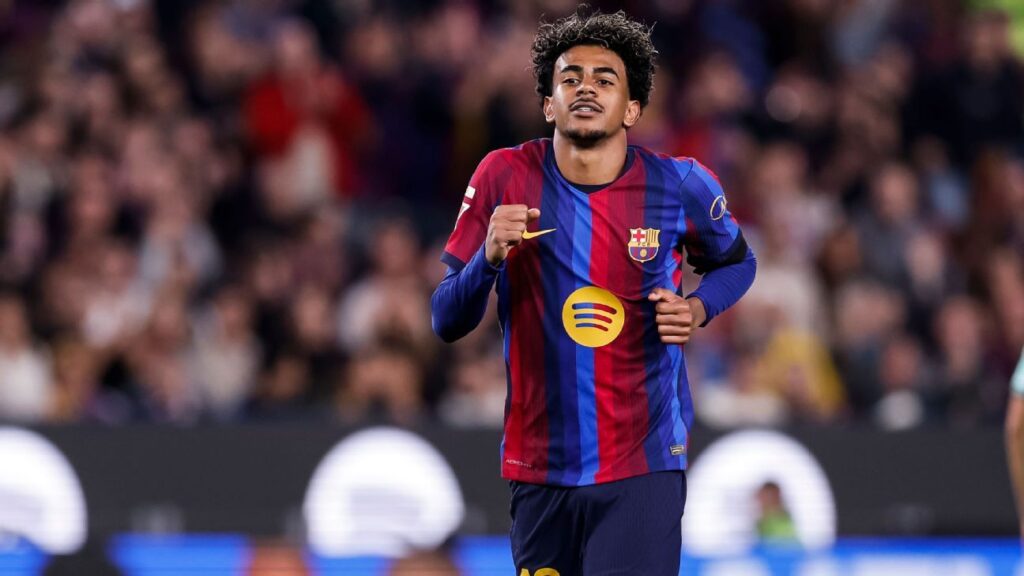
Hansi Flick says it’s easier to sub Lamine Yamal after scoring in Barcelona’s 6-1 win over Alavés 2026
Background: Barcelona, Hansi Flick and the rise of Lamine Yamal
Barcelona entered the 2026‑27 LaLiga campaign still feeling the aftershocks of the Messi era, with a new coaching team led by former Germany boss Hansi Flick. The German, who arrived in June after a brief stint at Bayern Munich, promised a blend of disciplined pressing and renewed faith in the club's famed La Masia academy. Early results have been mixed, but the emphasis on promoting home‑grown talent has already begun to show tangible benefits.
Lamine Yamal, the 16‑year‑old winger who broke records as the youngest player to start for Barça, embodies that philosophy. Born in the Spanish city of L'Hospitalet to a Moroccan‑Spanish family, Yamal’s meteoric rise has sparked excitement across the African diaspora, which sees him as a symbol of the growing influence of North‑African heritage in European football. His technical flair and speed have made him a regular fixture on the bench, waiting for minutes to prove his worth.
The 6‑1 victory over Alavés and Yamal’s impact
Saturday’s 6‑1 demolition of Alavés at Spotify Camp Nou was a statement win for Flick’s side, marking their biggest margin of victory this season. While the senior forwards shouldered most of the goal tally, Yamal entered the match in the 66th minute and found the net just 12 minutes later, sealing his first LaLiga goal for the club.
The goal was more than a statistic; it highlighted Yamal’s ability to influence a high‑stakes game in a short window. His quick burst down the right flank, combined with a deft finish inside the box, forced the coaching staff to rethink the timing of his substitution. The moment sparked a post‑match interview where Flick explained his tactical reasoning.
Flick’s substitution philosophy: why scoring matters
In the post‑match press conference, Flick said, “It’s easier to substitute Lamine when he’s scored because the team can afford to change the shape without losing the threat he provides.” The German manager stressed that a goal‑scoring winger can be taken off to bring on a more defensive midfielder without sacrificing attacking momentum.
According to football analysts at Sport360, Flick’s comment reflects a broader trend in modern football where managers use scoring milestones as tactical markers. By pulling a goal‑getter, a coach can protect a lead, rest a young player, or switch to a counter‑attacking setup, all while maintaining the psychological edge that a scorer brings to the squad.
Implications for Barcelona’s tactical flexibility and youth integration
If Flick continues to rotate Yamal after he scores, Barcelona could gain a new layer of in‑game adaptability. The ability to replace an attacking outlet with a ball‑winning midfielder would allow the team to shift from a high‑press to a more compact formation when protecting a lead, a flexibility that has been missing since the departure of former captain Sergio Busquets.
Moreover, the policy signals a vote of confidence in La Masia graduates. Young players often fear being substituted too early, which can stunt development. By tying substitution decisions to performance outcomes rather than age, Flick creates a merit‑based pathway that could encourage other academy prospects, including those from African‑linked backgrounds, to push for first‑team minutes.
African diaspora relevance: representation, scouting and market impact
Yamal’s Moroccan heritage resonates strongly with the African diaspora in Europe and across the continent. His visibility on a global stage fuels interest among North‑African fans, who have traditionally followed European leagues but rarely see a player with a direct cultural link breaking records. This could translate into higher viewership numbers for LaLiga in Morocco, Algeria, and the wider Maghreb region, as well as increased merchandise sales.
Scouting networks in Africa are also paying attention. Several clubs in the French Ligue 1 and Belgian Pro League have cited Barcelona’s success with Yamal as a catalyst for expanding their own outreach to Moroccan and West‑African academies. If Yamal continues to thrive, it may encourage Barcelona to formalise partnerships with African football schools, mirroring the club’s earlier collaborations with academies in Ghana and Senegal.
What’s next: upcoming fixtures, Yamal’s development and Barça’s season goals
Barcelona’s next challenge is a derby against Espanyol, where Flick is expected to experiment further with his midfield‑forward balance. Sources close to the camp say Yamal will likely start on the bench again, with the manager ready to bring him on if the game opens up early, mirroring the Alavés approach.
Beyond the immediate fixtures, Yamal’s trajectory will be a barometer for Barcelona’s long‑term rebuilding plan. If he can consistently impact games and handle the pressure of being substituted after scoring, the club may see a shift away from costly foreign signings toward a home‑grown core. For African‑heritage fans, his progress offers a tangible example of how talent from the continent and its diaspora can shape the future of world‑class clubs.
Quick Answers
Why did Hansi Flick say it's easier to substitute Lamine Yamal after he scores?
Flick explained that a goal‑scoring winger can be taken off without reducing attacking threat, allowing the team to add defensive stability or change tactics.
How does Lamine Yamal’s Moroccan background affect African fans?
Yamal’s heritage gives North‑African and broader African diaspora fans a direct connection to Barcelona, boosting viewership and interest in LaLiga across the region.
What could Barcelona’s use of Yamal mean for future African scouting?
Success with Yamal may prompt Barcelona to deepen partnerships with African academies, seeing the continent as a source of high‑potential talent.
Source: www.espn.com




💬 Comments 0