Harry Kane says he’s ‘in the dark’ on Ballon d’Or 2026 reveal – impact on football and African fans
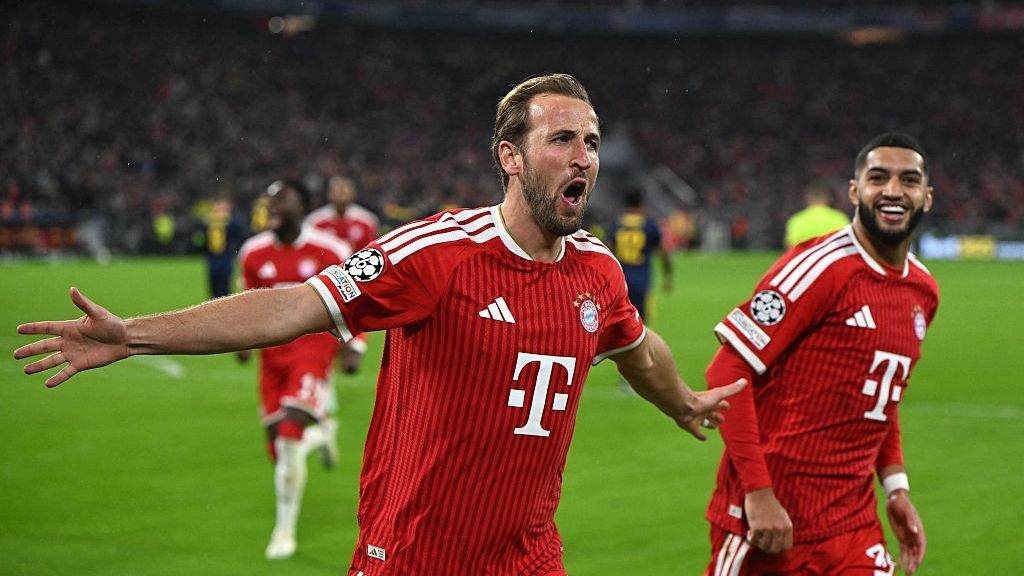
Background: the Ballon d’Or and Kane’s 2025‑26 season
The Ballon d’Or, awarded by France Football, has become the most coveted individual honour in world football. While the trophy traditionally celebrates a player’s brilliance over a calendar year, its timing in early October now overlaps with the climax of the European season, creating a pressure cooker for nominees still fighting for league titles and European cups.
Harry Kane, who moved from Tottenham Hotspur to Bayern Munich in the summer of 2023, entered the 2025‑26 campaign as one of the few English forwards still playing at the highest level in the Bundesliga. He finished the season with 28 league goals, helped Bayern clinch the German Cup, and was instrumental in their run to the Champions League semi‑finals.
Despite those numbers, Kane’s candidacy has been debated. Critics point to the dominance of midfield maestros and the growing influence of African‑born stars such as Mohamed Salah and Sadio Mané, who have reshaped voting patterns in recent years. The conversation around Kane therefore sits at the intersection of performance metrics and the evolving narrative of what a Ballon d’Or winner looks like.
The reveal and Kane’s ‘in the dark’ comment
Ahead of the ceremony on Monday, Kane told reporters that he would rather know his fate in advance rather than wait for the live broadcast. “I’d prefer to find out beforehand so I can stop stressing,” he said, adding that he is still in the dark about the final decision. The comment was made during a press conference at Bayern’s training ground, where the striker was fielding questions about his form and the club’s upcoming fixtures.
Kane’s remarks echo a broader trend of elite athletes speaking openly about the mental toll of high‑stakes accolades. According to a recent interview with The Guardian, several footballers have described the anticipation of awards as a “psychological burden” that can affect on‑field performance.
The statement also highlights the secrecy that surrounds the voting process. France Football gathers votes from journalists, national team coaches and captains, but the exact tally is not disclosed until the ceremony, leaving nominees in a limbo that can be unsettling for players accustomed to controlling their narratives.
Why it matters: market value, sponsorship and mental health
Winning the Ballon d’Or typically triggers a surge in a player’s market value and opens doors to lucrative endorsement deals. A study by Deloitte Sports Business Group noted that past winners have seen an average 12 % increase in commercial earnings within the year following the award. For Kane, whose contract with Bayern runs until 2028, a win could accelerate renegotiation talks and boost his global brand partnerships.
Beyond the financial implications, Kane’s openness about stress shines a light on the mental health conversation in football. The Professional Footballers’ Association (PFA) recently launched a mental‑wellbeing programme aimed at elite players, citing the “constant scrutiny surrounding awards” as a key stressor. By voicing his concerns publicly, Kane adds weight to calls for clubs to provide better psychological support.
The timing also matters for Bayern’s commercial strategy. The German club has been positioning itself as a hub for global talent, and a Ballon d’Or win would reinforce that branding, attracting sponsors from emerging markets, including Africa, where football consumption is on a steep rise.
The African angle: representation, market impact and diaspora fans
African players have historically been under‑represented among Ballon d’Or winners, with only a handful – most notably George Weah in 1995 – breaking the glass ceiling. Recent nominations of Mohamed Salah, Sadio Mané and Riyad Mahrez have sparked a debate about whether the award is finally reflecting the continent’s talent pool. Kane’s candidacy, therefore, sits alongside a growing African narrative that challenges Euro‑centric voting habits.
The outcome of the award could have ripple effects on African markets. If an African‑born player wins, sponsors such as MTN, Safaricom and Betway have historically leveraged the victory to launch continent‑wide campaigns, driving up advertising spend and fan engagement. Even a win by a non‑African player like Kane can indirectly benefit African footballers by raising the profile of the leagues they play in, making European clubs more attractive destinations for African talent.
For the diaspora, the Ballon d’Or is more than a trophy; it’s a cultural moment that unites families across continents. Nigerian‑British fans, for example, often gather in community halls to watch the ceremony, turning the event into a social hub. Kane’s admission of anxiety resonates with many who juggle professional ambition and family expectations, mirroring the pressures faced by young African footballers hoping to emulate their heroes.
What’s next: potential outcomes and the road ahead
If Kane walks away with the Ballon d’Or, Bayern Munich will likely capitalize on the win by launching a global marketing blitz, potentially featuring African markets where the club is expanding its fanbase. The club’s recent partnership with South Africa’s SuperSport hints at a strategy that could be accelerated by a high‑profile award.
Conversely, if an African player clinches the trophy, it could accelerate discussions within FIFA and France Football about voting reforms, as advocates push for a more diversified panel that includes journalists from Africa, Asia and the Americas. Such a shift would align with broader calls for greater representation in football governance.
Regardless of the result, the ceremony will set the tone for the remainder of the 2025‑26 season. Players who feel validated by the award may carry momentum into the final league fixtures, while those who miss out could use the disappointment as fuel for a strong finish. For African fans and the diaspora, the narrative will continue to be one of hope, representation, and the ever‑growing influence of football on cultural identity.
Quick Answers
When is the 2026 Ballon d’Or ceremony?
The 2026 Ballon d’Or ceremony is scheduled for Monday, October 26, 2026.
Has Harry Kane ever won the Ballon d’Or?
No, Harry Kane has never won the Ballon d’Or, though he has been nominated several times.
Why is the Ballon d’Or important for African footballers?
A win raises the global profile of African players, attracts sponsorship money to the continent, and can influence voting reforms to include more African voices.
Source: www.espn.com




💬 Comments 0