Indonesia 2026 earthquake kills 47, razes 300+ buildings – what it means for African markets and disaster response
Background: a quake in the Pacific Ring of Fire
On August 13, 2026, a magnitude‑7.2 tremor struck the island of Java in Indonesia, one of the most seismically active zones on the planet. The quake’s epicenter lay near the densely populated city of Surabaya, triggering landslides, structural collapses and a wave of aftershocks that kept rescue crews on high alert for days.
Indonesia sits on the Pacific Ring of Fire, a belt of tectonic plates that generates roughly 90 percent of the world’s earthquakes. In the past decade, the country has experienced several deadly events, from the 2018 Sulawesi quake to the 2021 Lombok tsunami. Each disaster has exposed gaps in building standards and emergency coordination, prompting the government to pledge reforms that have yet to be fully implemented.
What happened on the ground
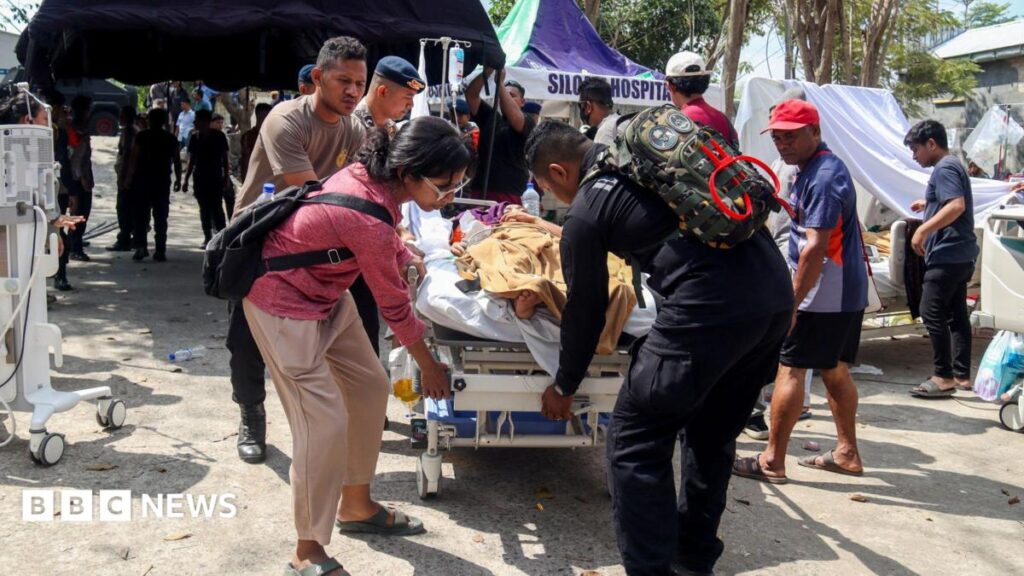
Official counts released on August 15 put the death toll at 47, with more than 300 residential and commercial structures reduced to rubble. Search‑and‑rescue teams from the Indonesian National Search and Rescue Agency (Basarnas) were joined by volunteers, military units and international NGOs, all working through night‑time darkness and after‑shock risk.
A rapid impact assessment ordered by the Ministry of Public Works is currently mapping damage to critical infrastructure such as roads, hospitals and power grids. Early reports indicate that three major hospitals suffered partial collapse, forcing patients to be transferred to facilities in neighboring provinces. Meanwhile, thousands of residents have been displaced into temporary shelters set up in schools and community centres.
Why the quake matters beyond Indonesia
Indonesia is a key supplier of commodities that feed African economies – palm oil, rubber, nickel and coal all flow through its ports to markets in Nigeria, Kenya and South Africa. The destruction of port facilities in Surabaya could tighten global supply chains, nudging prices upward for African manufacturers that rely on cheap raw materials.
Beyond trade, the disaster underscores a shared vulnerability. Several East African nations, notably Ethiopia, Rwanda and Tanzania, sit atop the East African Rift, a tectonic feature that produces earthquakes of comparable magnitude. The Indonesian experience offers a cautionary template for how quickly a high‑magnitude quake can overwhelm emergency services, and why investment in resilient construction is vital for the continent.
African response and diaspora connections
African humanitarian groups are already mobilising. The African Union’s Centre for Disaster Risk Reduction (AU‑CDRR) has issued an advisory urging member states to review their seismic preparedness plans, citing the Indonesian event as a “real‑time case study.” In Nairobi, the Kenya Red Cross is coordinating with its Indonesian counterpart to share best practices on rapid shelter deployment.
The Indonesian diaspora in Africa, though small, is feeling the shock. Communities in South Africa’s Gauteng province have organised fund‑raising drives, sending cash and relief kits to the affected regions. Social media posts from Indonesian entrepreneurs based in Lagos highlight a sense of solidarity that transcends geography, reminding readers that disasters ripple through global networks.
What’s next: rebuilding, policy shifts and lessons for Africa
The Indonesian government has pledged a $1.5 billion reconstruction package, earmarked for rebuilding schools, hospitals and critical transport links. A key component is the tightening of building codes, especially for structures in high‑risk zones. International donors, including the World Bank and Japan’s JICA, have signalled readiness to fund “earthquake‑resilient” projects, a model that African governments could replicate with support from the AU‑CDRR.
For African policymakers, the quake serves as a wake‑up call to embed seismic risk into urban planning. Cities like Addis Ababa and Kigali are already drafting seismic retrofitting strategies, but funding remains a hurdle. Partnerships with nations that have navigated similar challenges – Japan, Chile and now Indonesia – could accelerate the adoption of affordable, locally‑sourced building technologies that reduce casualties in future quakes.
Quick Answers
How many people were killed in the Indonesia earthquake of August 2026?
Official figures show 47 deaths, with dozens more injured and thousands displaced.
Why could the Indonesian quake affect African economies?
Indonesia exports palm oil, rubber, nickel and coal to Africa; damage to ports may tighten supplies and raise prices for African manufacturers.
What steps is Africa taking after the Indonesian earthquake?
The African Union’s disaster centre is urging member states to review seismic preparedness, and NGOs are sharing rescue‑shelter expertise with Indonesian partners.
Source: www.bbc.co.uk




💬 Comments 0