Indonesia wildfire smog sickens 175,000 in 2026 – health fallout, economic ripple and African market impact
A crisis of unprecedented scale
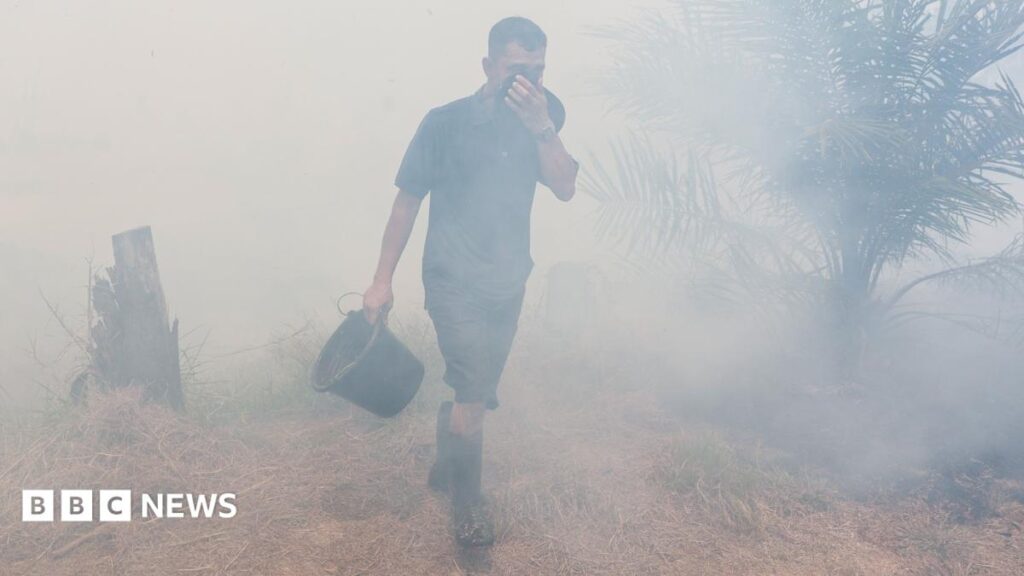
Since August 2024, more than 175,000 Indonesians have been diagnosed with acute respiratory conditions linked to the lingering haze from massive wildfires. The numbers, released by the Ministry of Health, dwarf the 2015 crisis that saw roughly 100,000 cases, indicating that the current season is both longer and more toxic. The smoke blankets the islands of Sumatra, Kalimantan and parts of Java, turning daylight into a perpetual orange‑tinged gloom and forcing schools and courts to shut their doors.
The health toll is not evenly distributed. Urban centres such as Jakarta and Surabaya report higher hospital admissions because dense populations intersect with polluted air corridors, while remote villages suffer from limited access to medical care. Children, the elderly and people with pre‑existing conditions are the most vulnerable, echoing patterns seen in previous haze events across Southeast Asia.
Why this smoke is especially dangerous
Most of the fire activity stems from peatland ignition in Sumatra and Kalimantan. Peat, a carbon‑rich organic material, releases massive quantities of fine particulate matter (PM2.5) and toxic gases when it burns, and the fires can smolder underground for weeks. Climate models published by the Indonesian Agency for Meteorology, Climatology and Geophysics (BMKG) warn that rising temperatures and drier seasons are turning peat more combustible, turning seasonal fires into near‑year‑round threats.
Compounding the problem is the practice of slash‑and‑burn agriculture used to clear land for palm oil and pulp‑paper plantations. When these fires spread beyond controlled plots, they merge with illegal logging operations, creating a feedback loop of deforestation and haze. The resulting smoke contains not only particulates but also carbon monoxide, nitrogen oxides and volatile organic compounds that aggravate asthma, bronchitis and cardiovascular disease.
Beyond Indonesia: regional and global reverberations
The haze does not respect national borders. Neighboring Malaysia and Singapore have reported air‑quality index (AQI) readings in the “hazardous” range for weeks, prompting school closures and travel advisories. Shipping lanes through the Straits of Malacca—one of the world’s busiest maritime corridors—have seen reduced visibility, forcing vessels to slow down and increasing fuel consumption. Those extra costs ripple through global supply chains that rely on timely delivery of electronics, textiles and raw commodities.
For African economies, the indirect impact is palpable. Indonesia is a leading exporter of palm oil, a commodity used in food processing, cosmetics and bio‑fuels across the continent. Export disruptions caused by transport delays and reduced plantation output can tighten supply, push up prices and affect small‑scale producers in Nigeria, Kenya and South Africa who depend on affordable palm‑oil imports for both household cooking and industrial formulation.
African diaspora and market angles that often go unreported
The Indonesian haze also reaches the African diaspora living in Southeast Asia, many of whom travel back to their home countries for work or family visits. Flight cancellations and health warnings have forced a wave of last‑minute itinerary changes, straining airline customer service teams that already face capacity issues after pandemic‑era recovery. Moreover, the diaspora’s remittance flows—estimated at $12 billion annually to Africa—are vulnerable to any slowdown in migrant earnings caused by health‑related work absences.
From an investment perspective, the crisis has rattled the confidence of African sovereign wealth funds that hold stakes in Indonesian palm‑oil and timber firms. ESG (environmental, social, governance) analysts are flagging the peat‑fire risk as a material financial exposure, prompting fund managers in Lagos and Johannesburg to reconsider portfolio allocations. This shift could accelerate a broader move toward greener, peat‑free supply chains—a trend that aligns with Africa’s own ambitions to curb deforestation and develop sustainable bio‑energy.
What’s being done and what comes next
The Indonesian government has deployed over 10,000 firefighters, aerial water bombers and satellite‑guided monitoring units to contain the blazes, but progress is hampered by limited access to remote peat bogs and by the sheer scale of the fire front. In September 2026, President Joko Widodo announced a new “Zero‑Peat‑Fire” task force, pledging $2 billion over the next three years for peat restoration, stricter land‑use permits and community‑based fire‑prevention programs.
Internationally, the ASEAN Coordinating Centre for Humanitarian Assistance on Disaster Management (AHA Centre) is coordinating cross‑border air‑quality alerts and offering technical assistance. NGOs such as the World Wide Fund for Nature (WWF) are urging multinational companies to adopt a “no‑burn” procurement policy, a demand that could reverberate through African import markets. For the next fire season, scientists warn that without decisive peat‑rehabilitation and climate‑adaptation measures, Indonesia may see even higher PM2.5 concentrations, threatening public health and economic stability across the Indo‑Pacific—and by extension, the African economies linked to its trade flows.
Quick Answers
How many Indonesians have been affected by the wildfire haze in 2026?
Over 175,000 people have been diagnosed with respiratory illnesses linked to the haze since August 2024.
Why does the haze from Indonesian fires matter to Africa?
Indonesia supplies palm oil and other commodities to African markets; disruptions raise prices and ESG concerns are prompting African investors to reassess exposure to peat‑fire risks.
What steps is Indonesia taking to stop peatland fires?
President Widodo launched a $2 billion ‘Zero‑Peat‑Fire’ task force to restore peat, tighten land‑use permits and fund community fire‑prevention programs.
Source: www.bbc.co.uk



💬 Comments 0