Infantino's World Cup Sale Plans Fall Flat
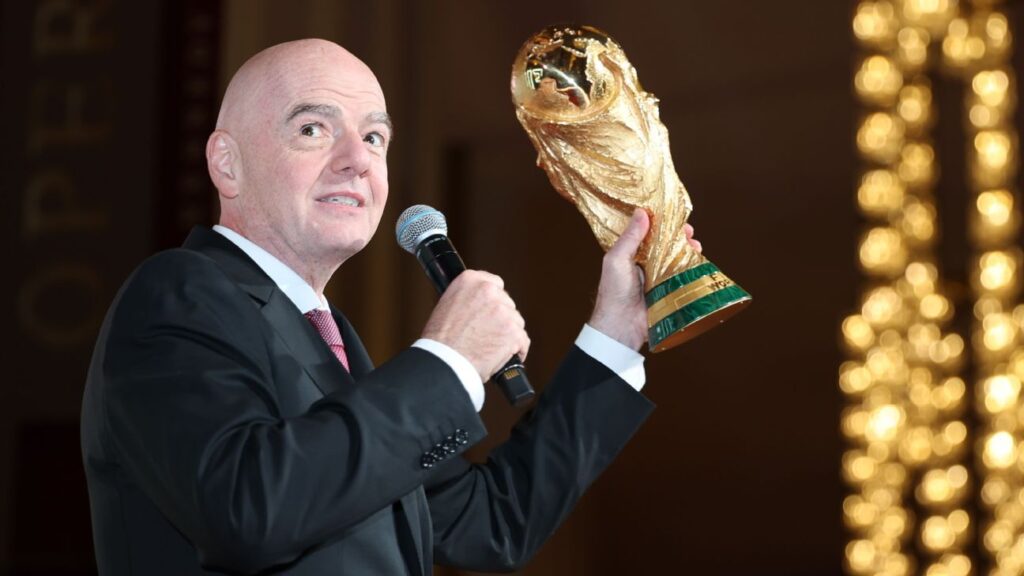
Background on FIFA and Infantino
FIFA, the governing body of international football, has been led by President Gianni Infantino since 2016. During his tenure, Infantino has proposed various ideas to reform and expand the organization's flagship tournament, the World Cup.
Infantino's leadership has been marked by controversy, with critics accusing him of prioritizing commercial interests over the sport's integrity. His plans have often been met with skepticism by fans, players, and other stakeholders.
One of the most contentious issues during Infantino's presidency has been the proposed expansion of the World Cup from 32 to 48 teams, which has been debated among football governing bodies and national associations.
What Happened with Infantino's Plans
Recently, Infantino unveiled plans to sell off the World Cup to private investors, a move that was widely criticized by the football community. The proposal was seen as a radical departure from the traditional model of hosting the tournament, where national associations and governments bear the costs and responsibilities.
The plan was met with fierce opposition from various stakeholders, including national football associations, players' unions, and fan groups. They argued that the proposal would lead to the commercialization of the sport, prioritizing profits over the interests of fans and players.
According to reports, the plan was also opposed by some of FIFA's key sponsors and partners, who were concerned about the potential impact on the tournament's reputation and their own investments.
Why It Matters
The failed plan to sell off the World Cup has significant implications for the future of the tournament and the sport as a whole. It highlights the ongoing tension between commercial interests and the values of the game, with many stakeholders fearing that the pursuit of profit could compromise the integrity of the sport.
The controversy surrounding Infantino's plans also raises questions about the governance of FIFA and the decision-making process within the organization. Critics argue that the proposal was rushed and lacked transparency, with insufficient consultation with key stakeholders.
The debacle has also sparked a wider debate about the role of private investment in football, with some arguing that it could bring much-needed funding and expertise to the sport, while others see it as a threat to the game's autonomy and values.
Reactions and Fallout
The backlash against Infantino's plans has been severe, with many calling for greater transparency and accountability within FIFA. The organization's reputation has taken a hit, with some sponsors and partners reportedly reconsidering their involvement with the tournament.
The controversy has also sparked a renewed debate about the future of the World Cup and the role of FIFA in governing the sport. Some have called for a more inclusive and democratic decision-making process, with greater representation for players, fans, and national associations.
The fallout from the failed plan has also raised questions about Infantino's leadership and his ability to navigate the complex and often contentious world of international football politics.
What's Next for FIFA and the World Cup
In the aftermath of the failed plan, FIFA is likely to face increased scrutiny and pressure to reform its governance and decision-making processes. The organization may need to reconsider its approach to commercialization and private investment, balancing the need for funding with the need to protect the sport's values and integrity.
The World Cup is set to expand to 48 teams in 2026, and the tournament's format and structure will need to be re-evaluated in light of the failed plan. FIFA will need to work closely with national associations, players' unions, and other stakeholders to ensure that the tournament remains a celebration of the sport, rather than a vehicle for commercial exploitation.
The future of the World Cup and FIFA's leadership will depend on the organization's ability to navigate these challenges and find a balance between commercial interests and the values of the game.
Quick Answers
What was Infantino's plan for the World Cup?
Infantino proposed selling off the World Cup to private investors, a plan that was widely criticized and ultimately failed.
Why was the plan opposed by stakeholders?
The plan was opposed due to concerns that it would lead to the commercialization of the sport, prioritizing profits over the interests of fans and players.
What are the implications of the failed plan for FIFA and the World Cup?
The failed plan has significant implications for the future of the tournament and the sport, highlighting the tension between commercial interests and the values of the game, and raising questions about the governance of FIFA and the decision-making process.
Source: www.espn.com




💬 Comments 0