Ireland Protesters Throw Tennis Balls at Austria Game Over Israel Boycott – Nations League 2026
Background: Sports, Politics and the Israel‑Ireland Standoff
The Republic of Ireland’s national team has found itself at the centre of a growing clash between sport and geopolitics. After qualifying for the UEFA Nations League, Ireland was scheduled to face Israel later this year, a fixture that drew criticism from pro‑Palestinian activists who view any sporting engagement with Israel as implicit endorsement of its policies in Gaza. The campaign, part of the broader Boycott, Divestment and Sanctions (BDS) movement, has targeted not only commercial ties but also high‑profile events such as football matches, arguing that cultural and sporting platforms can be leveraged to apply pressure.
Ireland’s Football Association (FAI) has repeatedly stressed that its fixtures are decided by UEFA and that the team represents a neutral sporting body, not a political instrument. Yet the controversy mirrors earlier incidents in Europe, where clubs and national sides have faced protests for playing against Israeli teams. The tension has been amplified by social media, where activists can mobilise supporters across borders within hours.
The Austria Match Disruption
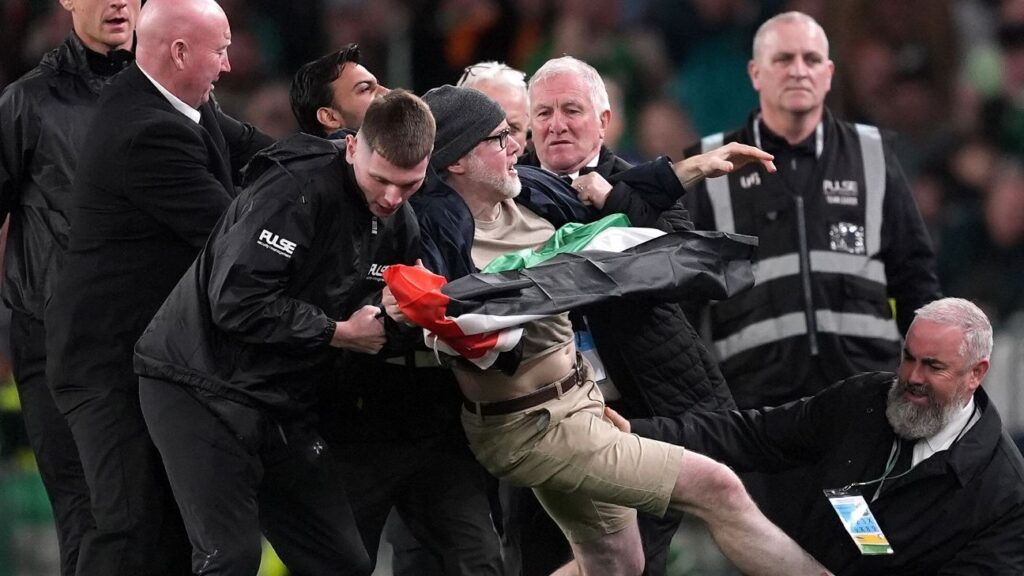
On Thursday, during the Nations League tie between Ireland and Austria in Dublin, a group of demonstrators entered the pitch and tossed dozens of tennis balls onto the playing surface. The interruption lasted roughly five minutes before security escorted the protesters away and the match resumed. No player was injured, but the incident forced a brief halt in live broadcast, prompting a flurry of tweets from fans and commentators alike.
Organisers later confirmed that the protest was orchestrated by a local chapter of an activist network that calls for an immediate boycott of Israel‑linked sporting events. The group claimed the tennis balls symbolised “soft‑power tactics” aimed at drawing attention without causing physical harm. UEFA issued a statement condemning the breach of stadium security, while the Irish police (Gardaí) opened an investigation into potential breaches of public order laws.
Why the Incident Matters Beyond the Pitch
The disruption underscores a broader shift: football is increasingly becoming a stage for geopolitical debates that were once confined to diplomatic corridors. For governing bodies like UEFA, such protests raise questions about venue security, the cost of heightened policing, and the risk of sanctions for member associations that fail to protect match integrity.
Commercial sponsors are also watching closely. Brands that associate with the Nations League may be forced to reassess their risk exposure if matches become flashpoints for protest. Moreover, the incident could influence future scheduling decisions, with some federations considering neutral venues or postponements to avoid similar flashpoints, potentially reshaping the competitive calendar for the next few years.
African Context: BDS, South Africa’s Stance and the Irish Diaspora
While the protest originated in Ireland, its resonance is felt across the African continent, where several countries have taken firm positions on the Israel‑Palestine conflict. South Africa, for instance, has long endorsed the BDS movement and even passed legislation restricting certain forms of economic engagement with Israel. This alignment has inspired activist networks in Nigeria, Kenya and Ghana to adopt similar tactics at sporting events, seeing football as a unifying platform to amplify their message.
Ireland hosts a sizable African diaspora, particularly from Nigeria and Ghana, many of who are active in community organisations that monitor human‑rights issues abroad. For these residents, the protest is not merely a European political drama but a reflection of concerns that also shape debates back home. The incident may encourage African‑based fan groups to organise parallel demonstrations at matches involving European clubs with Israeli ownership or sponsorship, thereby extending the ripple effect beyond the continent.
Reactions From Stakeholders
The FAI issued a measured response, stating that the safety of players and fans remains its top priority and that any breach of stadium rules will be dealt with according to Irish law. UEFA’s official communication echoed this sentiment, warning that repeated incidents could trigger disciplinary measures, including fines or the requirement to play matches behind closed doors.
Irish government officials, including the Minister for Foreign Affairs, expressed disappointment, noting that while freedom of expression is protected, it must not impede public order. The Israeli embassy in Dublin condemned the act as “unacceptable intimidation” and called for stronger security protocols at future fixtures. Meanwhile, activist groups defended their tactics as non‑violent and highlighted that the tennis balls caused no physical damage, framing the protest as a symbolic act of civil disobedience.
What’s Next: Potential Fallout and the Road Ahead
The immediate future for Ireland’s Nations League campaign remains unchanged, with the next scheduled match against Israel still on the calendar. However, UEFA has announced a review of security arrangements for all upcoming fixtures involving contested nations, suggesting that stricter measures could be imposed.
Long‑term, the incident may accelerate discussions within European football about whether political disputes should influence match‑day logistics. Some analysts predict that federations might adopt a “neutral‑venue” policy for teams from countries that are frequent targets of protests, a move that could affect African nations seeking to host international fixtures. For the African diaspora in Europe, the episode reinforces the power of coordinated, peaceful protest, while also prompting a debate on the balance between advocacy and the sanctity of sport.
Quick Answers
Why did protesters target the Ireland‑Austria match?
Activists threw tennis balls to protest Ireland’s scheduled Nations League game against Israel, demanding a boycott of any sporting ties with Israel.
How could this incident affect future football fixtures?
UEFA may impose stricter security, fines or require matches to be played behind closed doors if similar disruptions recur.
What relevance does this have for African fans and diaspora communities?
The protest echoes Africa’s broader support for BDS, and the Irish diaspora’s activism could inspire similar actions at European games involving Israeli interests.
Source: www.espn.com




💬 Comments 0