Isaac Okoh says he can beat anyone in the world as British heavyweight surge hits 2026
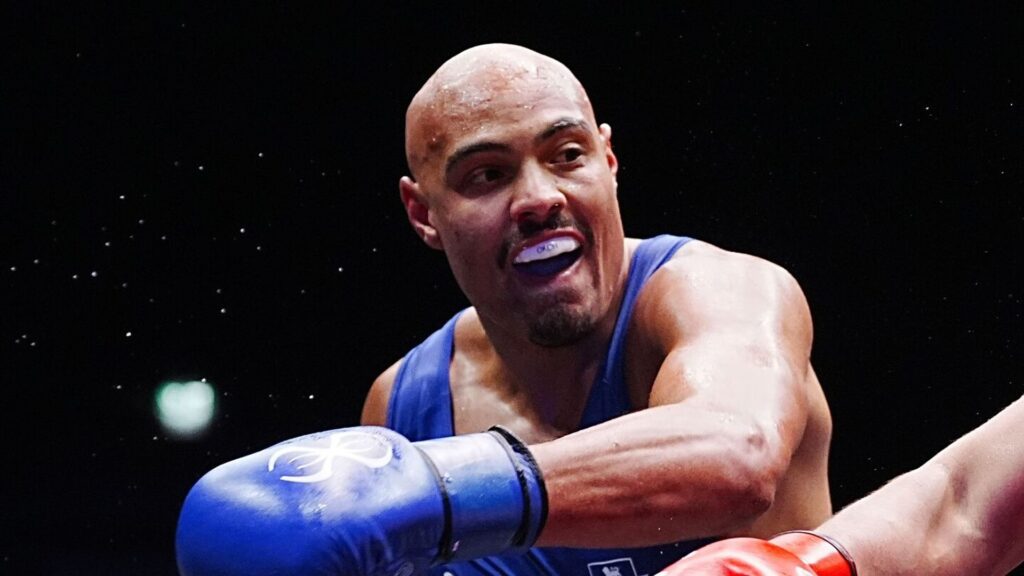
From Lagos streets to London gyms: Okoh’s early boxing journey
Born in Lagos in 1998, Isaac Okoh moved to the United Kingdom with his family at age nine, settling in the multicultural borough of Brent. The son of a former amateur boxer, he first laced up gloves at a community centre that doubled as a cultural hub for the Nigerian diaspora. Early on, Okoh credited the support of local mentors for turning a hobby into a disciplined pursuit, a narrative echoed by many African‑born athletes who find their footing in Britain’s sporting infrastructure.
Okoh’s amateur record, highlighted by a gold medal at the 2019 England Amateur Championships, caught the eye of several UK promoters eager to diversify the heavyweight roster. While his technical style drew comparisons to former champion Lennox Lewis, his raw power and relentless work ethic set him apart. By the time he turned professional in 2021, he had already amassed a following among Nigerian‑British fans who saw him as a modern embodiment of their transnational identity.
The boxer’s upbringing in a diaspora community also shaped his public persona. In interviews with The Guardian and Punch Nigeria, Okoh repeatedly emphasized the dual pride he feels for both his Nigerian heritage and his British upbringing, positioning himself as a bridge between two boxing cultures that have historically produced champions.
A winning streak and a bold claim: the rise of a new heavyweight contender
Okoh’s professional record now stands at 15‑0, with 13 knockouts, a run that has propelled him into the top‑20 of the World Boxing Council’s heavyweight rankings. His most recent bout, a third‑round stoppage of former European title‑holder Marco “The Beast” Rossi in June 2026, was broadcast live on Sky Sports and drew over 1.2 million viewers in the UK alone. The fight showcased his signature left‑hand jab and an ability to close distance quickly, traits that analysts from BBC Sport say make him a “dangerous out‑of‑the‑gate” opponent for any established contender.
Following the victory, Okoh declared in a post‑fight interview, “I’m confident I can beat anyone in the world,” a statement that sparked both admiration and skepticism across the boxing community. While some pundits, such as former champion Tyson Fury’s trainer, regarded the claim as “young‑blood bravado,” others noted that Okoh’s confidence mirrors the self‑belief that propelled past diaspora stars like Anthony Joshua to global prominence.
The boxer’s confidence also appears strategic. According to a spokesperson for his promoter, Matchroom Boxing, the bold proclamation is designed to generate media buzz ahead of an anticipated showdown with heavyweight veteran Dillian Whyte later this year. The narrative of a rising, confident underdog resonates strongly with both UK audiences and African fans seeking representation on the world stage.
Why Okoh matters: reshaping the UK heavyweight landscape and the African diaspora’s sporting pride
Okoh’s ascent is reshaping the heavyweight division that has long been dominated by a handful of British fighters. His presence introduces a fresh stylistic contrast and a new marketable personality, prompting promoters to reconsider how they package heavyweight cards for a more diverse audience. In a recent interview, Matchroom’s Eddie Hearn highlighted Okoh’s “cross‑cultural appeal” as a key factor in negotiating broadcast deals with African satellite networks such as DStv’s SuperSport.
For the African diaspora, Okoh represents a tangible link to home. Nigerian sports journalists have noted a surge in online discussions across platforms like Nairaland and Twitter, where fans compare his progress to that of legendary Nigerian boxer Dick Tiger. This connection fuels a sense of collective achievement, reinforcing the idea that success in global boxing can originate from African roots, even when cultivated abroad.
Economically, Okoh’s growing brand opens doors for sponsorships from African corporations seeking global exposure. Early talks with Nigerian telecom giant MTN and South African beverage company SABMiller suggest a new wave of African‑backed endorsements for diaspora athletes, a trend that could channel investment back into grassroots boxing programs across West Africa.
A broader pattern: African‑descent fighters redefining global combat sports
Okoh’s rise aligns with a broader wave of African‑descent fighters making headlines in the United States, Europe, and Asia. In 2025, Ghanaian‑born middleweight David “The Lion” Asare captured the IBF title, while South African kick‑boxer Lindiwe “The Viper” Mthembu secured a multi‑million‑dollar contract with ONE Championship. These successes signal a shift where talent pipelines from African nations are increasingly recognized by major promoters.
The pattern is underpinned by improved scouting networks and the proliferation of training academies in Lagos, Nairobi, and Accra. According to a 2026 report by the International Boxing Federation, the number of licensed professional boxers of African heritage in Europe has risen by 38 % over the past three years, driven by targeted development programs funded by both private investors and national sports ministries.
This surge also reflects changing consumer demographics. Streaming data from platforms like DAZN show that viewership from Sub‑Saharan Africa grew by 22 % in 2025, prompting broadcasters to prioritize fighters who can draw both Western and African audiences. Okoh, with his bilingual media presence and active engagement on African social media channels, epitomizes the new breed of marketable global athletes.
Reactions from fans, promoters and African boxing bodies
Fans across the UK and Nigeria have taken to social media to celebrate Okoh’s confidence. Hashtags such as #OkohTheFuture and #NigerianPower trended on Twitter after his June bout, with diaspora communities organising watch parties in Lagos’s Victoria Island and Abuja’s Wuse district. These gatherings highlight how a single fighter can galvanise a transnational fanbase.
Promoters are already leveraging Okoh’s momentum. Matchroom announced a tentative co‑promotion with Nigeria’s Lagos Boxing Federation for a future bout that could be staged in Lagos, marking the first major heavyweight event in the city since 2012. Sources say the partnership aims to test the viability of “dual‑venue” cards that split revenue between UK and Nigerian markets.
The Nigerian Boxing Federation (NBF) welcomed the development, stating that Okoh’s success “inspires young Nigerian athletes to pursue professional pathways abroad while maintaining strong ties to home.” The NBF has also hinted at a mentorship program where Okoh could coach upcoming Nigerian prospects during off‑season visits, a move that could strengthen the country’s talent pipeline.
What’s next for Okoh: title shots, market expansion and the future of African‑backed boxing
Looking ahead, Okoh is slated to face Dillian Whyte in a highly anticipated clash at the O2 Arena in November 2026. A victory would catapult him into the top‑10 heavyweight rankings and likely set up a mandatory challenger position for the WBC or IBF world title. Boxing analysts from Sky Sports predict that a win could also accelerate talks for a cross‑continental bout in Lagos, a scenario that would mark a historic first for a heavyweight championship fight on African soil.
Beyond the ring, Okoh’s brand is expanding into entrepreneurship. He recently launched a line of training apparel in partnership with a Lagos‑based textile startup, aiming to blend British performance technology with African design aesthetics. The venture, according to a press release, will allocate 10 % of profits to youth boxing programs in both London and Lagos, creating a tangible link between commercial success and community development.
If Okoh continues his trajectory, his story could serve as a blueprint for future diaspora athletes seeking to balance global ambition with cultural responsibility. The convergence of sporting excellence, market potential, and African‑centric philanthropy positions him as a pivotal figure in the evolving narrative of African influence on world combat sports.
Quick Answers
What is Isaac Okoh’s professional boxing record as of September 2026?
Isaac Okoh is unbeaten with a 15‑0 record, including 13 knockouts.
When is Isaac Okoh scheduled to fight Dillian Whyte?
Okoh is set to face Dillian Whyte at the O2 Arena in November 2026.
How could Okoh’s rise impact boxing in Nigeria?
His success may attract major promoters to stage events in Lagos and inspire investment in Nigerian boxing academies and youth programs.
Source: www.skysports.com



💬 Comments 0