Jamie Carragher says Mikel Arteta is becoming the Sir Alex Ferguson of the PL after 2026 referee criticism
Background: Arteta’s Sunderland win and Carragher’s shout‑out
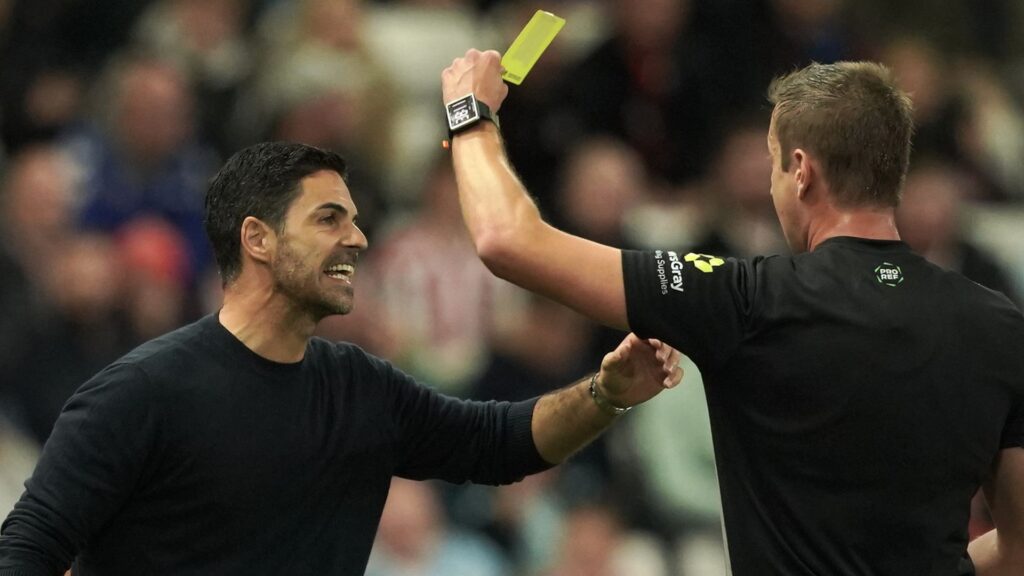
On Saturday, Arsenal secured a 2-0 victory over Sunderland, a result that lifted the Gunners back into the top‑four race. The win was notable not only for the three points but also for the controversy surrounding a late penalty that many felt was soft. Mikel Arteta, Arsenal’s Spanish‑born manager, did not hide his displeasure, lambasting the referee in the post‑match interview and demanding a review of the decision‑making process.
Former Liverpool defender and pundit Jamie Carragher, who was speaking on a popular football show, seized on Arteta’s outburst. He compared the Arsenal boss to Sir Alex Ferguson, the legendary Manchester United manager who famously never shied away from confronting officials. Carragher’s comment sparked a flurry of social‑media chatter, with fans and analysts debating whether the comparison was justified or merely hyperbole.
Why the Sir Alex label matters for Arteta’s evolution
Being likened to Sir Alex Ferguson is more than a flattering nickname; it signals a shift in how Arteta is perceived within the Premier League hierarchy. Ferguson built a reputation on relentless pressure, tactical adaptability and an unapologetic stance toward referees when he believed his side was wronged. If Arteta is moving toward that archetype, it suggests he is embracing a more confrontational leadership style that could reshape Arsenal’s internal culture.
The comparison also hints at Arteta’s growing confidence in handling high‑stakes moments. Earlier in his tenure, he was often described as measured and cautious. By publicly challenging officials, he is sending a message to his squad that he will defend them vigorously, a trait that historically helped Ferguson cement player loyalty and extract extra performances in crunch games.
The growing culture of referee criticism in the Premier League
Artillery against referees is not new, but the Premier League has tightened its disciplinary framework in recent years. Managers who openly question decisions can face fines, points deductions or even touchline bans, according to the FA’s regulatory handbook. In the 2024‑25 season, several managers were penalised for “improper conduct” after post‑match tirades, setting a precedent that could affect Arteta’s future comments.
The controversy also feeds into a broader debate about VAR and its transparency. Critics argue that the technology has created a false sense of infallibility, while supporters claim it reduces human error. Arteta’s outburst adds fuel to the fire, potentially prompting the league’s governing body to revisit its communication protocols with clubs, something that could impact all teams—including those with large African fan bases who closely follow the league’s fairness standards.
Implications for Arsenal and its African‑diaspora supporters
Arsenal’s squad includes several players of African descent, such as Gabriel Martinelli (Brazilian with African heritage) and William Saliba (Ivorian). A manager who appears to stand up for his team can boost morale among these players, reinforcing a sense of belonging and protection. In past seasons, African‑origin players have spoken about feeling undervalued when refereeing decisions seemed biased; a vocal manager could mitigate those concerns.
The African diaspora that follows the Premier League closely also reacts strongly to perceived injustices. Social‑media threads from Lagos, Nairobi and London show that fans often rally behind clubs that “fight the system.” If Arteta continues to adopt Ferguson‑style defiance, Arsenal may see a surge in support from these communities, translating into higher viewership numbers on African streaming platforms and greater merchandise sales across the continent.
A broader trend: managerial bravado and media narratives
The modern Premier League rewards strong personalities as much as tactical acumen. Managers like Pep Guardiola, Jürgen Klopp and Diego Simeone have cultivated distinct public personas that attract media attention and commercial deals. Arteta’s recent outburst fits this pattern, where a headline‑grabbing quote can be as valuable as a win on the pitch.
However, the trend also carries risks. Over‑exposure can lead to heightened scrutiny, especially when results dip. If Arsenal falters in the coming weeks, the same media that praised Arteta’s Ferguson‑like swagger may pivot to criticism, potentially destabilising the dressing room. The key for Arteta will be to balance his newfound assertiveness with the measured diplomacy that has defined his early success.
What’s next: possible FA action and Arteta’s next move
The Football Association is expected to review Arteta’s remarks in the coming days. Past cases have resulted in fines ranging from £10,000 to £30,000, and in extreme cases, a temporary touchline ban. Sources close to the FA suggest that unless Arteta issues a formal apology, a moderate sanction is likely.
Regardless of the outcome, Arteta’s next public appearance will be closely watched. If he chooses to temper his language while maintaining a protective stance toward his players, he could solidify a Ferguson‑esque legacy without the baggage of disciplinary penalties. For Arsenal fans—especially those in Africa and the diaspora—his handling of the situation may become a defining moment of the 2026‑27 campaign.
Quick Answers
Did Mikel Arteta receive a fine for criticizing the referee?
The FA has not announced a fine yet, but past precedent suggests a moderate sanction is possible if he does not apologize.
Why is Jamie Carragher comparing Arteta to Sir Alex Ferguson?
Carragher sees Arteta’s willingness to publicly confront officials as echoing Ferguson’s famed confrontational style.
How could Arteta’s stance affect African fans of Arsenal?
A manager who defends his players can boost morale among African‑origin squad members and resonate with diaspora fans who value clubs that challenge perceived injustices.
Source: www.skysports.com



💬 Comments 0