Jesus de Miguel death after on‑field collision triggers overhaul in Spanish football
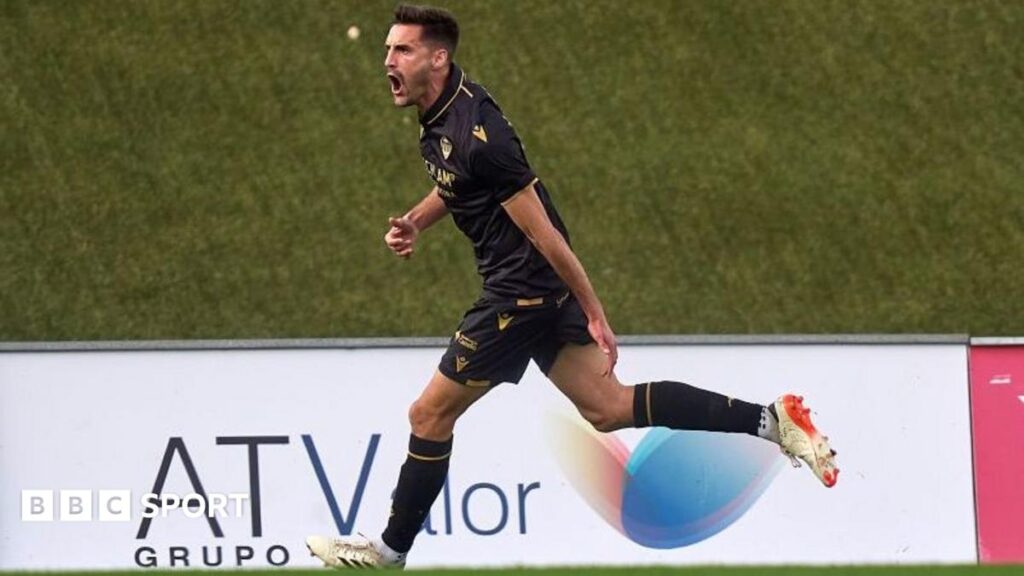
A tragic night on the pitch
On 2 November 2026, the Estadio Heliodoro Rodríguez López became the setting for a heartbreaking incident that sent shockwaves through Spanish football. Tenerife’s forward Jesus de Miguel, a 24‑year‑old striker who had risen through the club’s youth ranks, collided with an opposing defender during a Segunda División match against Real Zaragoza. The impact knocked de Miguel unconscious, and despite immediate medical attention, he was pronounced dead at the stadium’s infirmary.
Witnesses described a scene of stunned silence as teammates and fans tried to comprehend the loss of a player who had become a local hero. De Miguel had scored 12 goals that season and was widely regarded as a future candidate for a top‑flight move. His death is the first fatality on the field in Spanish professional football since the tragic passing of Antonio Puerta in 2007, reviving painful memories for many supporters.
Club officials released a brief statement expressing profound grief and promising a thorough investigation. “Jesus was not only a talented player but a son, a brother, and a friend,” the statement read, urging the football community to honor his memory by ensuring such tragedies never recur.
Medical safeguards in the lower leagues
While La Liga clubs are mandated to have advanced medical equipment, including automated external defibrillators (AEDs) and on‑site physicians, the enforcement of these standards in the Segunda División has historically been uneven. According to a report by the Spanish Football Federation (RFEF), only 68 % of second‑division stadiums passed the latest health‑safety audit, leaving a significant gap in emergency preparedness.
In de Miguel’s case, the stadium’s medical team reportedly used a portable defibrillator within minutes, but the response time was later scrutinized by independent experts. Dr. María López, a cardiologist who consulted for the investigation, noted that “the window for successful resuscitation after a severe chest impact is measured in seconds; any delay can be fatal.” Her assessment has reignited calls for uniform, real‑time monitoring equipment across all professional tiers.
The incident also highlights a broader European trend where lower‑division clubs, constrained by limited budgets, struggle to meet the same health standards as elite teams. UEFA’s recent guidelines, released in early 2026, urge national federations to allocate emergency‑care grants, but implementation remains patchy.
African players and the Spanish football pipeline
Jesus de Miguel’s tragic end resonates deeply with the African diaspora that populates Spain’s football ecosystem. Over the past decade, clubs like Tenerife have become entry points for African talent, especially from Nigeria, Ghana, and Senegal, who view the Segunda División as a stepping stone to La Liga or other European leagues.
Data from the African Footballers’ Association (AFA) shows that roughly 12 % of all players in Spain’s second tier in the 2025‑26 season hailed from the continent, many of them on short‑term contracts and without the same level of medical insurance afforded to domestic players. Sources say that these athletes often rely on club‑provided health coverage, which can be inconsistent in lower divisions.
The loss of a young player like de Miguel therefore raises questions about the duty of care owed to African imports who are already navigating cultural adaptation, language barriers, and precarious employment. Advocates argue that stronger contractual safeguards and mandatory health clauses could protect a demographic that contributes significantly to the competitiveness of Spanish football.
Legal and financial fallout for clubs
In the wake of the tragedy, legal experts anticipate a wave of litigation aimed at both Tenerife and the RFEF. Spanish labor law stipulates that clubs must guarantee “adequate occupational safety” for athletes, a clause that could be invoked if investigations confirm lapses in emergency response protocols.
Insurance premiums for second‑division clubs are expected to rise as underwriters reassess risk exposure. A spokesperson for a leading sports insurer told reporters that “the actuarial models will now factor in on‑field fatalities as a higher probability event, especially for clubs without full‑time medical staff.” This could strain the finances of clubs already operating on thin margins, potentially prompting a consolidation of resources or a push for league‑wide funding mechanisms.
Beyond the courtroom, the incident may influence future transfer negotiations. Agents representing African players are reportedly demanding explicit health‑care guarantees in contracts, a shift that could reshape the market dynamics between talent agencies and Spanish clubs.
What comes next: reforms and remembrance
The RFEF has pledged to convene an emergency task force that will review medical protocols across all professional tiers. Preliminary proposals include mandating a certified emergency physician at every match, installing AEDs within 30 seconds of the pitch, and creating a centralized database to track injury outcomes.
Fans and former teammates have launched a memorial fund in de Miguel’s name, aiming to support families of players who suffer severe injuries. The initiative also plans to fund scholarships for African youth aspiring to study sports medicine, linking the tragedy to a constructive legacy that benefits the very community that supplied much of the league’s talent.
While the road to systemic change is likely to be long, the collective outcry—from club executives, player unions, and diaspora groups—signals a rare moment of consensus. If the proposed reforms materialise, they could set a precedent for other European leagues, reinforcing the notion that player safety must be non‑negotiable, regardless of division or nationality.
Quick Answers
What caused Jesus de Miguel’s death during the match?
He suffered a severe on‑field collision that led to cardiac arrest, and despite immediate medical aid, he could not be revived.
How might this tragedy affect medical standards in Spanish lower‑division football?
The incident is prompting the Spanish Football Federation to consider mandatory on‑site physicians and faster AED deployment for all professional tiers.
What implications does the incident have for African players in Spain?
It highlights gaps in health insurance and safety for African imports, spurring calls for stronger contractual protections and better medical coverage.
Source: www.bbc.co.uk


💬 Comments 0