Joan Laporta pushes for Camp Nou to host 2030 World Cup final in Barcelona
The 2030 World Cup bidding landscape
The 2030 FIFA World Cup marks the centenary of the tournament that first kicked off in Uruguay. FIFA has opened the door to joint bids, and several continents are already positioning themselves for the coveted final showdown. Europe’s most vocal contender is a combined Spain‑Portugal bid that highlights iconic stadiums, while South America has rallied around a Uruguay‑Argentina‑Chile‑Paraguay coalition. Africa, meanwhile, is eyeing a historic first‑time hosting opportunity, with Morocco and Egypt circulating as potential co‑hosts.
FIFA’s new regulations encourage multi‑nation packages to spread costs and legacy benefits, but they also intensify competition for the marquee final venue. The decision will hinge on stadium capacity, infrastructure readiness, commercial appeal, and geopolitical considerations. As the deadline for formal bids approaches in early 2025, each bloc is sharpening its pitch, hoping to sway the voting members of the FIFA Council.
Laporta’s push and Camp Nou’s credentials
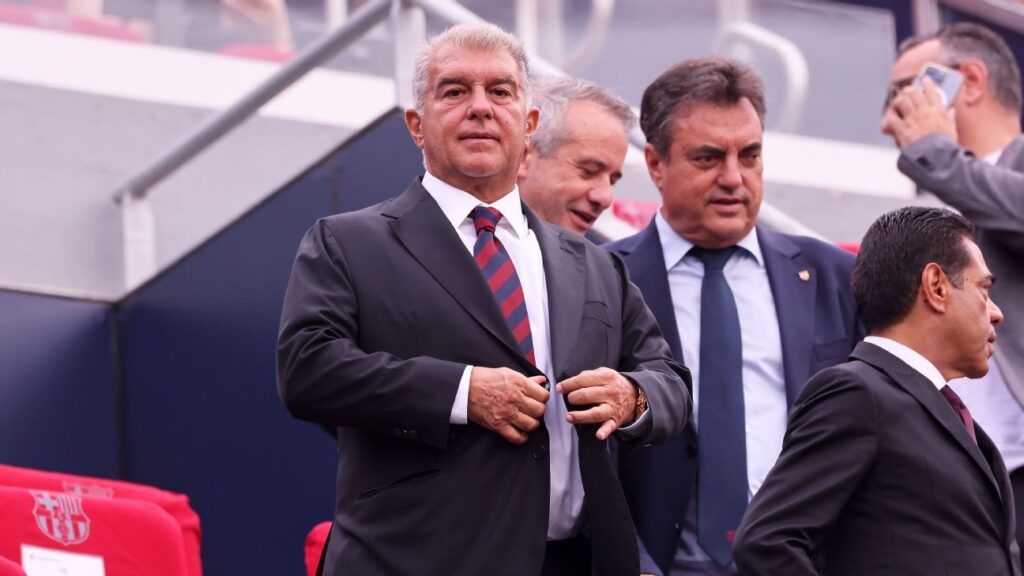
Barcelona’s president, Joan Laporta, has publicly argued that the Camp Nou should be the stage for the 2030 final. The stadium, slated to reopen after a €1.5 billion renovation that will increase capacity to roughly 105,000 seats, boasts a modernized roof, upgraded hospitality suites, and cutting‑edge fan‑experience technology. Laporta contends that the venue’s blend of heritage and state‑of‑the‑art facilities makes it a natural fit for a tournament celebrating a century of football.
Beyond the bricks and mortar, Laporta emphasizes Barcelona’s global brand and its deep ties to the African diaspora. The city hosts one of the largest African communities in Europe, and the club’s outreach programmes in West Africa have cultivated a loyal fan base. By positioning Camp Nou as the final’s home, Laporta hopes to leverage those connections to boost viewership, tourism, and commercial revenue for both the city and the broader Spanish‑Portuguese bid.
Implications for African football ambitions
If Camp Nou secures the final, African nations could miss a once‑in‑a‑generation chance to showcase the continent on the world stage. Hosting the final would have amplified Africa’s push for a full‑tournament bid, offering a platform to demonstrate upgraded stadiums in cities like Casablanca or Lagos and to accelerate infrastructure projects that many African football federations argue are overdue.
The loss would also affect the continent’s bargaining power within FIFA. Historically, Africa has leveraged its voting bloc to extract development funds and legacy guarantees. A European final could tilt future negotiations in favour of the European bloc, potentially limiting the financial and technical support earmarked for African stadium upgrades and youth development programmes.
Economic and cultural ripple effects for the diaspora and African markets
Barcelona’s sizable African diaspora—particularly Nigerians, Ghanaians, and Senegalese—represents a vibrant consumer segment for sports merchandising, streaming services, and travel. A final staged at Camp Nou would likely trigger a surge in ticket sales and hospitality bookings from diaspora fans eager to combine a pilgrimage to the stadium with a visit to their adopted city. Local businesses, from hotels to restaurants, stand to gain from the influx of African‑origin tourists.
From a broadcast perspective, the final’s placement in a European time‑zone maximises prime‑time viewership across Africa, potentially driving higher advertising rates for pan‑African broadcasters. Brands that already sponsor Barcelona, such as Rakuten and Beko, could extend their campaigns into African markets, using the final as a springboard for product launches or localized marketing pushes.
What comes next: negotiations, timelines and possible outcomes
FIFA will evaluate the technical dossiers of each bid later in 2025, after which the Council votes in early 2026. Laporta’s campaign will now focus on securing the backing of key FIFA delegates, many of whom are swayed by commercial guarantees and the promise of a seamless fan experience. The Spanish‑Portuguese partnership is also courting African football federations, offering them participation in ancillary events such as youth tournaments and cultural festivals.
Should the Camp Nou win the final slot, the ripple effect could reshape the broader 2030 hosting map. A European final might push African co‑hosts to negotiate larger shares of group‑stage matches, or inspire a secondary African bid for the 2034 tournament. Conversely, a loss could galvanise African federations to accelerate their own stadium projects, aiming for a stronger case in the next bidding cycle.
Quick Answers
Why does Joan Laporta want Camp Nou to host the 2030 World Cup final?
Laporta argues that the renovated Camp Nou’s capacity, modern facilities and Barcelona’s global brand make it ideal for the centenary final.
How could a Camp Nou final affect African football fans and markets?
A final in Barcelona would boost viewership across Africa, increase advertising revenue for broadcasters, and draw diaspora tourists, benefitting both African markets and local businesses.
When will FIFA decide which stadium will host the 2030 World Cup final?
FIFA expects to vote on the final venue in early 2026 after reviewing technical dossiers submitted by the competing bids.
Source: www.espn.com




💬 Comments 0