Julian Hall’s USMNT Call‑Up Leaves Nigeria Future Uncertain – What It Means for US and African Soccer 2026
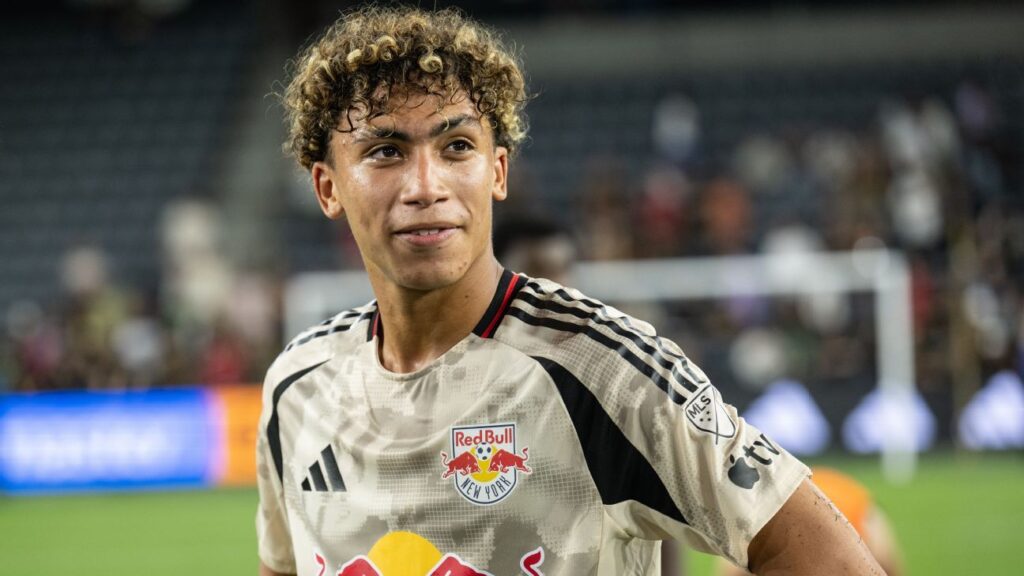
Who is Julian Hall?
Julian Hall burst onto the professional scene as a 16‑year‑old forward for the New York Red Bulls, signing his first MLS contract in early 2025 after impressing in the club’s academy. A product of the Red Bulls’ youth system, Hall logged 12 goals and five assists in the 2025 MLS Next Pro season, prompting senior‑team manager Gerhard Struber to hand him limited minutes in the 2026 MLS campaign. His blend of pace, technical ability and a knack for finding space in the box has drawn comparisons to former Red Bulls star Bradley Wright‑Phillips and earned him a reputation as one of the league’s most promising teenage attackers.
Born in New York to Nigerian parents, Hall holds dual citizenship with the United States and Nigeria. He has represented the United States at the U‑15 level, but has never been capped in an official senior competition, meaning FIFA’s eligibility rules still allow him to switch allegiance. This legal flexibility is at the heart of the current debate surrounding his international future.
The call‑up and the decision dilemma
On Thursday, USMNT head coach Gregg Berhalter announced Hall’s first senior call‑up for a friendly against Costa Rica later this month. The selection marked the first time a Red Bulls teenager has been named in a senior United States squad since the league’s early days. While Hall expressed excitement about training with the senior side, he also made it clear that his national allegiance remains “not solidified,” according to a post‑match interview with The Athletic.
Nigeria’s Football Federation (NFF) has already signalled interest, with senior coach José Peseiro reportedly monitoring Hall’s progress and inviting his staff to the Red Bulls’ training sessions. Sources close to the NFF told Premium Times that the federation intends to fast‑track Hall into the Super Eagles’ U‑20 camp should he opt for the African side. The tug‑of‑war reflects a broader pattern where African football associations scramble to secure diaspora talent before they are capped by other nations.
Dual nationality in modern football – a growing trend
Hall’s situation is not unique. Over the past decade, the number of players eligible for two or more national teams has risen sharply, driven by increased migration and the global reach of youth academies. FIFA’s 2020 amendment to the eligibility rules, which allows a player to switch after a maximum of three senior caps before turning 21, has further fueled the race to cap promising youngsters early.
In North America, the United States and Canada have both adopted a “cap‑early” strategy, calling up dual‑national prospects like Gio Reyna, Tim Weah and, more recently, Canadian‑born Nigerian‑eligible forward Kwaku Frimpong. African nations, meanwhile, have intensified scouting networks across Europe, the U.S., and the Caribbean, hoping to tap into the talent pool of second‑generation immigrants who can bring European‑level training to the continent.
What Nigeria stands to gain – talent pipeline & diaspora links
If Hall chooses the Super Eagles, Nigeria would acquire a forward who already possesses MLS‑level experience, a league that is increasingly viewed as a breeding ground for athletic, high‑pressing forwards. Nigeria’s senior squad, which struggled to convert chances in the 2025 Africa Cup of Nations, could benefit from Hall’s clinical edge in the final third.
Beyond the pitch, Hall’s decision would reinforce the NFF’s broader diaspora engagement strategy. In recent years, the federation has signed players such as Alex Iwobi (formerly of Arsenal) and Samuel Chukwueze, both of whom grew up abroad but chose Nigeria. Each successful recruitment strengthens the narrative that the Super Eagles are a viable destination for talent that might otherwise be lost to Europe or the United States, potentially boosting merchandise sales and viewership among the Nigerian diaspora in North America.
Implications for the USMNT and African football development
For the United States, securing Hall’s commitment would signal that the Berhalter era continues to prioritize home‑grown, technically adept forwards to complement the speed‑driven wing play that has defined recent squads. A permanent Hall cap could also inspire other MLS academies to view the national team pathway as a realistic goal, encouraging investment in youth development across the league.
Conversely, if Hall defects to Nigeria, the USMNT may need to look elsewhere for a similar profile, perhaps turning to other MLS prospects like Philadelphia Union’s Koby Osei‑Mansah, who also holds dual eligibility. The loss would also fuel criticism that the United States is failing to retain players of African descent, a charge that has been levied against the federation in past recruitment battles with Ghana and Ivory Coast.
What could happen next?
The next few months will be decisive. Hall is slated to join the USMNT squad for the Costa Rica friendly, after which he will likely be invited to the U‑23 Olympic qualifying camp. Simultaneously, the NFF is expected to announce a provisional U‑20 World Cup roster that could include Hall, giving him a taste of senior African competition before any senior cap.
Ultimately, Hall’s choice will hinge on a mix of sporting ambition, personal identity and the perceived trajectory of each national program. If he values immediate senior exposure, the United States’ friendlies and upcoming Nations League fixtures may be more attractive. If he is drawn to the cultural pull of representing his parents’ homeland and sees a clearer path to playing in the Africa Cup of Nations, Nigeria could become his final destination. Whatever the outcome, the episode underscores how dual‑national players now sit at the intersection of global football economics, national identity and the strategic priorities of federations on both sides of the Atlantic.
Quick Answers
Is Julian Hall eligible to play for Nigeria?
Yes, Hall holds Nigerian citizenship through his parents, making him eligible for the Super Eagles under FIFA’s nationality rules.
What does a senior USMNT cap mean for Hall’s future choices?
If Hall appears in an official senior competitive match for the United States, he would be locked to the USMNT; a friendly does not yet bind him.
Why are African nations keen to recruit diaspora players like Hall?
Diaspora players often train in advanced academies abroad, offering technical and tactical skills that can elevate African national teams and broaden their global fan base.
Source: www.espn.com




💬 Comments 0