Kenya confirms second Ebola case – relative of first victim from DR Congo, 2026 outbreak update
Background: Ebola’s return to East Africa
Ebola virus disease (EVD) has resurfaced in the Great Lakes region after a lull of several years, with the Democratic Republic of Congo (DRC) reporting a new cluster in its eastern provinces in early 2026. The outbreak, declared a public health emergency by the World Health Organization in March, has already claimed over 150 lives in the DRC and prompted heightened border controls across neighboring countries.
Kenya, which shares a porous border with Uganda and has significant trade and migration links to the DRC, has been on high alert since the first case was confirmed in Nairobi in early September. The patient, a 42‑year‑old man who arrived from Goma, died after developing hemorrhagic symptoms, prompting the Ministry of Health to activate its national Ebola response plan for the first time in a decade.
The confirmation of a second case on October 14, a sibling of the deceased, underscores the challenges of tracking contacts in a region where informal cross‑border movement is common. It also raises questions about the effectiveness of current surveillance mechanisms and the capacity of Kenya’s health system to contain a virus that has previously overwhelmed weaker health infrastructures.
What happened: The second case and the response
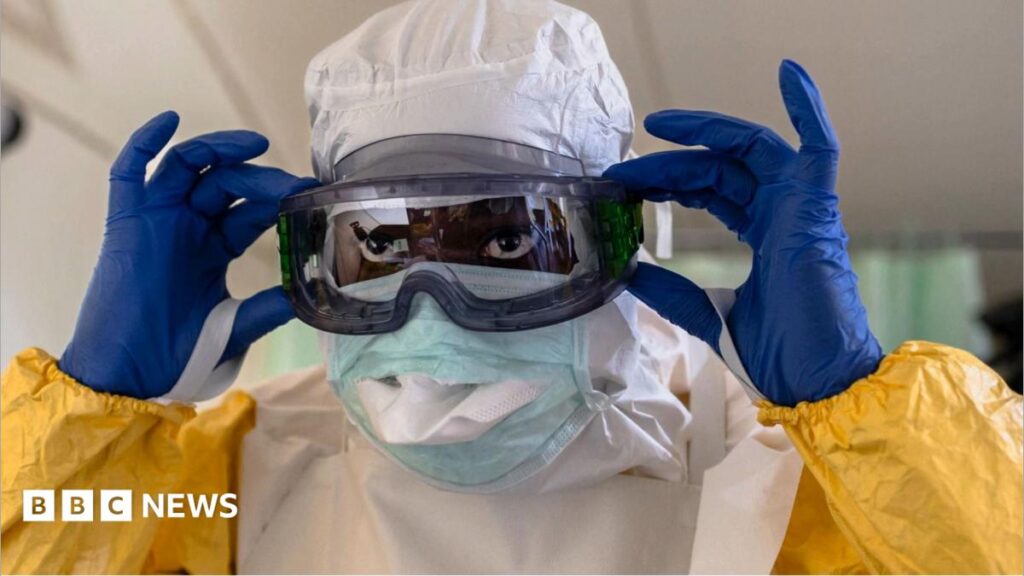
The Ministry of Health announced that the second patient, a 35‑year‑old sister of the first victim, tested positive for Ebola virus after presenting with fever, vomiting and unexplained bleeding at a private clinic in Nairobi’s Eastlands district. She was immediately isolated at the Kenyatta National Hospital’s high‑containment unit, where a team of virologists and infection‑control specialists began treatment under the WHO‑approved protocol.
Contact tracing teams were dispatched within hours to identify anyone who had shared transport, meals or medical facilities with the patient. According to a statement from the Kenya Centres for Disease Control (KCDC), more than 200 contacts have been listed, with 85% already placed under active monitoring. The government has also reopened the Ebola hotline, which recorded a surge in calls after the first case was reported.
In parallel, the Kenyan government has fast‑tracked the procurement of the rVSV‑ZEBOV vaccine, securing an additional 150,000 doses from the Global Alliance for Vaccines and Immunization (GAVI). The vaccine, which was used successfully during the West Africa outbreak of 2014‑2016, is being offered on a ring‑vaccination basis to close contacts and frontline health workers.
Why it matters: Regional health security and economic ripple effects
Ebola’s re‑emergence in Kenya is not just a health issue; it threatens the broader stability of East Africa’s economies. Kenya’s tourism sector, which contributed roughly $7 billion to GDP in 2025, could see a dip in bookings if international travelers perceive a heightened risk. Early data from the Kenya Tourism Board show a 12% drop in flight reservations to Nairobi after the first case was announced.
Cross‑border trade, especially the informal market that moves goods between Kenya, Uganda and the DRC, may also contract. Traders rely on daily movement through border points such as Malaba and Busia; any restriction could disrupt supply chains for agricultural products, affecting food prices in both urban and rural areas. The African Union’s Africa Centres for Disease Control (Africa CDC) has warned that unchecked spread could force temporary closures of key trade corridors, echoing the disruptions seen during the 2014 Ebola crisis in West Africa.
On a strategic level, the second case tests Kenya’s preparedness under the African Union’s Health Security Agenda, which aims to strengthen early‑warning systems across member states. Successful containment would demonstrate the effectiveness of the continent‑wide “One Health” approach, while failure could undermine confidence in regional coordination mechanisms.
Reactions: Governments, communities and the diaspora
President William Ruto addressed the nation on television, urging calm while emphasizing that “our health system is ready, and we will not let fear cripple our progress.” He also announced a special budget allocation of 3 billion Kenyan shillings for emergency response, a move praised by local NGOs but critiqued by opposition leaders who argue that long‑term health financing remains insufficient.
Community leaders in Nairobi’s informal settlements have mobilised volunteers to distribute educational flyers in Swahili and Lingala, reflecting the linguistic diversity of the affected population. According to the Kenya Red Cross, over 5,000 households have received guidance on safe burial practices, a critical factor in breaking Ebola’s transmission chain.
The Kenyan diaspora in the United Kingdom and United States has responded with a mix of concern and solidarity. Diaspora health professionals are offering remote expertise through tele‑consultations, while diaspora media outlets have run special segments to dispel myths circulating on social media. A recent poll by the Kenyan Diaspora Forum indicated that 68% of respondents would consider postponing travel to East Africa until the outbreak is declared over.
What’s next: Containment, vaccination and regional cooperation
The immediate priority for Kenyan authorities is to ensure that all identified contacts complete the 21‑day monitoring period without developing symptoms. The Ministry of Health has pledged daily public updates, a practice that helped restore trust during the 2007 Rift Valley fever scare. If no further cases emerge, the government plans to declare the outbreak “contained” within a month, a timeline aligned with WHO guidelines.
Vaccination will continue to play a pivotal role. Experts from the International Committee on the Certification of Ebola Virus Disease, consulting for the Ministry, suggest that a ring‑vaccination strategy could prevent a secondary wave, especially if combined with rapid diagnostic testing at border entry points. The procurement of rapid‑test kits from the African Development Bank is slated for delivery by the end of November.
Finally, the episode may accelerate the integration of East African health surveillance platforms. Kenya, Uganda and Tanzania have already signed a memorandum of understanding to share real‑time data on infectious diseases through the East African Community’s Health Information Exchange. Successful implementation could become a model for other regions facing trans‑national health threats, reinforcing Africa’s capacity to manage future pandemics without relying solely on external aid.
Quick Answers
How many Ebola cases have been confirmed in Kenya as of October 2026?
Two cases have been confirmed – a man who died after arriving from the DRC and his sister, who tested positive later.
What measures is Kenya taking to prevent further Ebola spread?
Kenya is conducting extensive contact tracing, offering ring‑vaccination with the rVSV‑ZEBOV vaccine, and monitoring over 200 contacts while keeping the public informed daily.
Will the Ebola outbreak affect travel and trade in East Africa?
Potentially, yes; tourism bookings have already fallen and any border restrictions could disrupt trade corridors, though authorities aim to keep movement open with strict health checks.
Source: www.bbc.co.uk




💬 Comments 0