Kenya internet metering bill 2026 sparks privacy fears and threatens affordable access
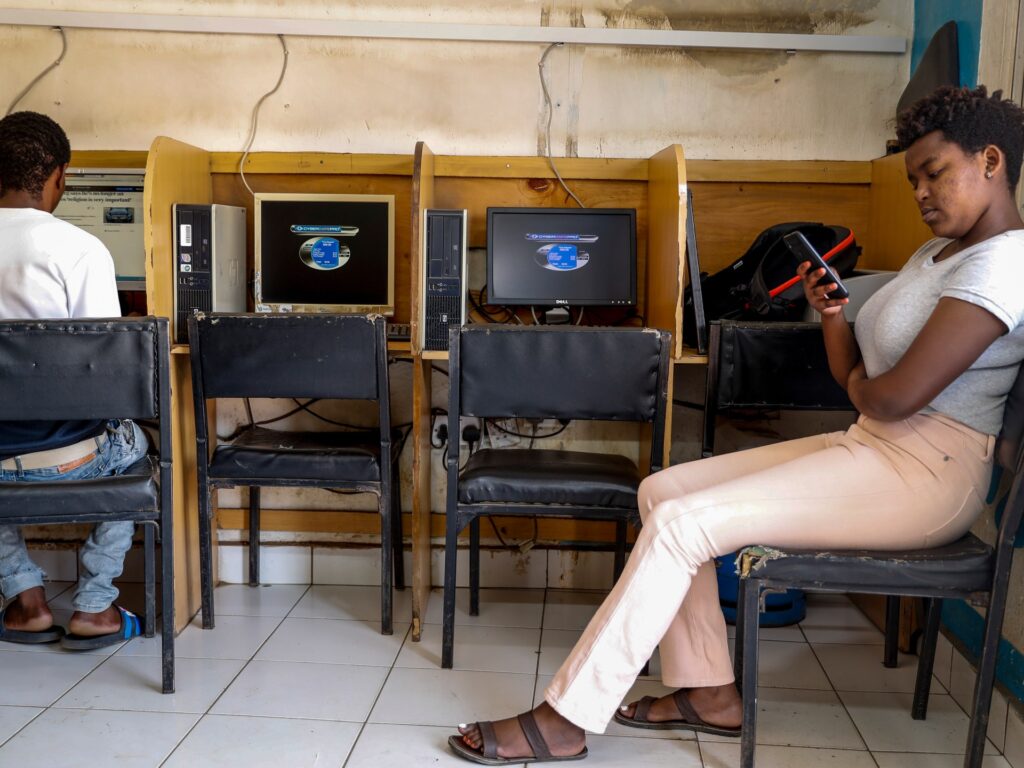
Background: The push for internet metering in Kenya
The Kenyan government has been wrestling with how to fund the rapid expansion of broadband infrastructure across its 47 counties. In early 2026 the Ministry of ICT announced a draft law that would introduce a metered pricing model for mobile data, similar to the electricity metering system already in place. Proponents argue that metering will generate a reliable revenue stream to subsidise fibre roll‑outs in rural areas and reduce the fiscal strain on the national budget, which has been stretched thin by pandemic‑related spending and the cost of importing network equipment.
Kenya’s internet penetration sits at about 87 % according to the Communications Authority, but the quality and price of service remain uneven. While urban centres enjoy 4G and emerging 5G networks, many remote communities still rely on costly satellite links. The metering proposal therefore emerged from a policy brief that claimed “usage‑based pricing will encourage efficient consumption and fund universal service obligations.” Yet the brief sparked immediate backlash from digital rights groups who warned that the model could exacerbate the digital divide.
The bill’s key provisions and how they work
Under the draft legislation, internet service providers (ISPs) would be required to install software that tracks every megabyte of data a user consumes, reporting the figures to a newly created regulator‑level body called the Data Usage Authority (DUA). The DUA would then calculate monthly fees based on a tiered schedule: a basic allowance of 2 GB per month at a subsidised rate, with incremental charges for each additional gigabyte. The law also mandates that all traffic be logged for “national security and quality‑of‑service monitoring,” granting the government access to anonymised but potentially re‑identifiable data streams.
A controversial clause permits the government to levy a “network sustainability tax” of up to 5 % on total data revenue, earmarked for expanding backbone infrastructure in underserved regions. Critics say the clause lacks transparency about how the tax will be allocated, and that the metering technology could be weaponised for surveillance, especially given Kenya’s recent history of internet shutdowns during elections.
Why privacy and cost concerns matter for Kenya’s digital future
Kenya has positioned itself as Africa’s tech hub, with Nairobi’s “Silicon Savannah” attracting venture capital, home‑grown startups, and a growing diaspora of developers. A predictable, affordable data environment is a cornerstone of that ecosystem. If metering drives up average monthly bills by even 15 %, many young entrepreneurs could lose the ability to run cloud‑based services, limiting innovation and foreign investment. A recent survey by the Kenya ICT Authority found that 68 % of startups consider data cost the biggest operational hurdle.
Beyond economics, the privacy implications strike at the heart of Kenya’s emerging data‑rights movement. The bill’s requirement to log user activity could conflict with the 2019 Data Protection Act, which obliges data controllers to minimise collection and ensure consent. Legal scholars at the University of Nairobi have warned that the metering framework may create a “dual‑use” system where commercial data collection doubles as state surveillance, potentially chilling online expression and hindering the vibrant social media activism that has driven reforms on issues ranging from gender‑based violence to climate policy.
Reactions from industry, civil society and the diaspora
Telecom giants Safaricom, Airtel Kenya, and Telkom Kenya have issued cautious statements, saying they will comply with any law that “balances national development goals with consumer protection.” Safaricom’s spokesperson, Jane Wanjiru, told reporters that the company is evaluating the technical feasibility of the proposed metering software and will seek “reasonable exemptions for low‑income households.” Meanwhile, the Kenya ICT Action Network (KICTANet) released a joint brief calling the bill “a step backwards for digital rights,” urging lawmakers to adopt a more transparent funding model for broadband expansion.
The Kenyan diaspora, particularly tech professionals in the United States and Europe, has taken to social media to voice concern. A thread started by Nairobi‑born developer Michael Ochieng on X (formerly Twitter) attracted over 12 000 retweets, with many pointing out that diaspora‑led startups often rely on cheap data to maintain offshore servers. Diaspora investment firms, such as the Africa Tech Fund, have reportedly placed a provisional hold on new funding rounds until the regulatory environment stabilises, according to a source familiar with the fund’s pipeline.
What’s next: legislative timeline and possible outcomes
The draft bill is scheduled for its first reading in Parliament’s Committee on ICT on 5 December 2026, followed by a public consultation period that runs until 20 December. Civil society groups have filed a petition with the High Court, seeking a judicial review on the grounds that the metering provisions violate the constitution’s right to privacy. If the court grants a stay, the legislation could be delayed indefinitely, giving lawmakers an opening to amend the most contentious clauses.
Analysts predict three likely scenarios. In the best‑case outcome, Parliament adopts a revised version that caps data fees, introduces a transparent fund‑allocation mechanism, and limits data logging to aggregated, anonymised metrics. In a moderate scenario, the bill passes largely unchanged, prompting a wave of legal challenges that could stall implementation for 12‑18 months. The worst‑case scenario sees the law enacted without amendment, leading to higher costs for consumers, a slowdown in startup activity, and increased scrutiny from international investors concerned about data‑privacy standards. All three paths will shape Kenya’s ability to retain its status as Africa’s digital pioneer.
Quick Answers
When is Kenya’s internet metering bill expected to be voted on?
The bill’s first parliamentary reading is set for 5 December 2026, with a public consultation period ending on 20 December.
How could the metering law affect data costs for Kenyan consumers?
If implemented as drafted, average monthly data bills could rise by roughly 15 % after the subsidised 2 GB allowance is exceeded.
What privacy risks does the metering proposal raise?
The law requires ISPs to log individual data usage, which could be accessed by the government and may conflict with Kenya’s 2019 Data Protection Act.
Source: www.aljazeera.com




💬 Comments 0