Kylian Mbappé signs with On, ending Nike partnership – impact on African football markets 2026
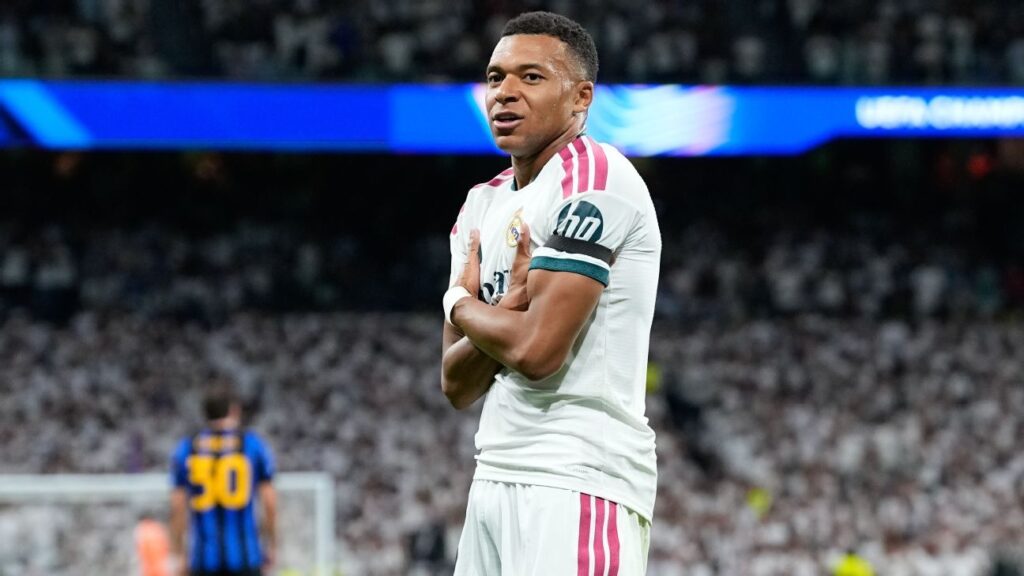
Background: Mbappé, Nike and the African fanbase
Kylian Mbappé, the French forward who has become a global football icon, has been a flagship ambassador for Nike since 2017. His partnership helped Nike dominate the football apparel market across Europe, Asia and Africa, where the brand’s iconic swoosh is a status symbol for young fans and aspiring players. In Nigeria, Ghana and Kenya, Nike’s sales have consistently outperformed rivals, buoyed by Mbappé’s image on jerseys, shoes and digital campaigns.
Nike’s strategy in Africa has relied heavily on leveraging star power to drive grassroots engagement. The company sponsors national federations, funds youth academies and runs “Just Do It” activations that tie local talent development to the global brand narrative. Mbappé’s presence amplified these efforts, with his likeness appearing on limited‑edition sneakers sold through both online platforms and brick‑and‑mortar stores in major African cities.
However, the partnership has also faced criticism for its high price points, which limit accessibility for many African consumers. While Nike’s premium pricing aligns with its global positioning, it has sparked debates among local retailers and fans about whether the brand truly serves the continent’s mass market or merely caters to an affluent niche.
The On deal: What the Swiss brand brings to the table
On, a Swiss sports‑wear company best known for its “cloud‑foam” running shoes, announced a multi‑year endorsement with Mbappé in early September 2026. The agreement reportedly includes a personal line of football boots, a global advertising campaign, and a commitment to co‑create performance technology tailored for the fast‑paced demands of modern football.
On’s entry into football marks a strategic pivot from its core running market. According to a spokesperson from On, the brand sees Mbappé’s move as a chance to showcase its “light‑as‑air” cushioning technology on the world’s biggest stage, positioning itself against entrenched giants like Nike and Adidas. The partnership also features a digital‑first content strategy targeting Gen‑Z audiences, many of whom are active on TikTok, Instagram Reels and African streaming platforms such as Showmax and iRokoTV.
Financial terms have not been disclosed, but industry analysts estimate the deal could be worth between €30 million and €45 million over its duration, based on comparable football endorsement contracts. On’s willingness to invest at this scale suggests confidence that the brand can translate its niche reputation into mainstream football credibility, especially in emerging markets.
Implications for African football markets and athletes
The shift from Nike to On carries immediate relevance for African consumers. On’s pricing strategy historically targets the premium segment, but the company has signalled plans to launch a “On Grassroots” line priced 15‑20 % lower than its flagship models. If executed, this could open a new affordable tier for African youth who previously could only afford generic or locally‑produced footwear.
For African football academies, the partnership could mean fresh equipment deals and technical workshops. On has already pledged to supply its new boots to three academies in West Africa as part of a pilot programme, according to a statement from the Ghana Football Association. Such collaborations could help local coaches integrate advanced performance data—On’s shoes embed pressure sensors that sync with a mobile app, offering insights that were once exclusive to elite European clubs.
Moreover, Mbappé’s African heritage—he grew up watching the likes of Didier Drogba and Nwankwo Kanu—adds a cultural resonance that brands can leverage. African media outlets have highlighted the move as a sign that global athletes are increasingly open to partnering with non‑traditional brands, potentially encouraging home‑grown African stars to explore diverse sponsorship options beyond the usual Nike‑Adidas duopoly.
A broader trend: Diversification of sports sponsorship in 2026
Mbappé’s switch is part of a wider diversification trend in sports marketing. In the past two years, several high‑profile athletes across tennis, basketball and athletics have signed with boutique or tech‑focused brands seeking to differentiate themselves. For example, tennis champion Naomi Osaka partnered with a Japanese AI‑driven apparel label, while basketball star Giannis Antetokounmpo signed a deal with a Greek smart‑shoe startup.
Analysts attribute this shift to three forces: (1) market saturation of the traditional “big three” (Nike, Adidas, Puma), (2) rising consumer demand for sustainability and tech integration, and (3) the growing purchasing power of African and Asian millennials who value authenticity over legacy branding. On’s emphasis on recyclable materials and carbon‑neutral manufacturing aligns with these sustainability expectations, giving it a narrative edge that resonates across continents.
The trend also reflects a strategic re‑allocation of marketing budgets by multinational corporations. Nike, for instance, has announced a 12 % reduction in its football endorsement spend for 2026, redirecting funds toward direct‑to‑consumer e‑commerce and localized community programs. This re‑balancing creates openings for agile players like On to capture market share, especially in regions where Nike’s presence is strong but its pricing is a barrier.
What’s next: Potential outcomes for Nike, On and African fans
In the short term, Nike is likely to double‑down on its existing African initiatives, reinforcing partnerships with local clubs and launching limited‑edition releases that do not rely on Mbappé’s image. Sources close to Nike’s African division say the brand is developing a “home‑grown heroes” campaign that will spotlight African football legends such as Samuel Eto’o and Sadio Mané to maintain relevance.
On’s challenge will be to translate hype into sustained sales. The brand’s success will depend on its ability to scale distribution networks across African retail hubs, negotiate favorable terms with e‑commerce platforms like Jumia and Konga, and ensure after‑sales service for its tech‑enabled footwear. Early market tests in South Africa have shown promising uptake, with a 22 % month‑on‑month increase in online queries for the new Mbappé boot.
For African fans, the real impact may be cultural as much as commercial. Mbappé’s endorsement of a lesser‑known brand could inspire a shift in how young players view sponsorships, encouraging them to seek partners that align with personal values such as sustainability or innovation. If On’s grassroots programme expands, it could also elevate training standards and provide data‑driven performance tools that were previously inaccessible, potentially raising the overall competitiveness of African football on the world stage.
Quick Answers
Why did Kylian Mbappé leave Nike for On?
Mbappé cited On’s innovative cushioning technology and its commitment to sustainability as key reasons for the switch, according to the player’s official statement.
How will the Mbappé‑On partnership affect African football fans?
On plans to launch a lower‑priced “Grassroots” shoe line and supply equipment to several African academies, making high‑performance footwear more accessible.
What does Mbappé’s move mean for Nike’s presence in Africa?
Nike is expected to focus on local hero campaigns and community programs to retain market share after losing Mbappé’s global endorsement.
Source: www.espn.com




💬 Comments 0