LaLiga chief Javier Tebas meets Chinese ambassador Yao Jing over Mbappé Mao comment – what it means for African fans and the sport’s global market
Background: The Mbappé comment and the diplomatic flare‑up
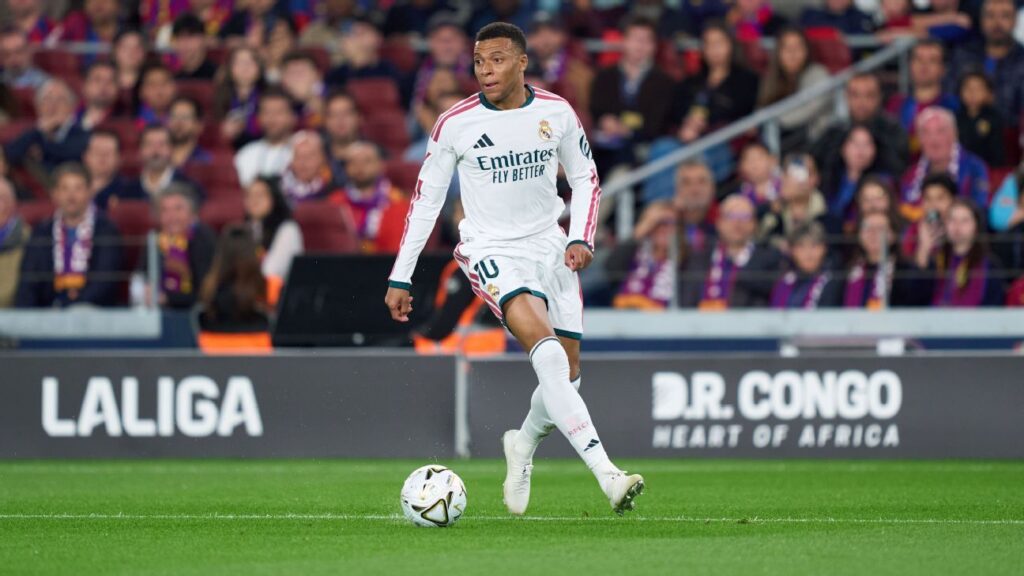
In early October 2026, French superstar Kylian Mbappé was reported to have referred to Mao Zedong as a "dictator" during a private conversation that later leaked online. The remark sparked a wave of criticism from Chinese netizens and officials, who saw it as an affront to a founding figure of modern China.
China’s state media quickly amplified the story, prompting calls for sanctions against the player and the clubs associated with him. The incident landed on the radar of LaLiga because the Spanish league counts China among its most valuable overseas markets, with broadcasting rights, sponsorships and merchandise sales worth hundreds of millions of euros each season.
Javier Tebas, LaLiga’s long‑standing president, has a reputation for defending the league’s commercial interests against political pressure. His decision to sit down with Yao Jing, China’s ambassador to Spain, reflects the urgency the league feels to contain the fallout before it spreads to other stakeholders, including African‑origin players who are key draws for LaLiga’s growing fan base.
Why the meeting matters for LaLiga’s commercial engine
China has been a cornerstone of LaLiga’s international revenue strategy since the mid‑2010s. The league’s partnership with Chinese tech giant Alibaba, the streaming deal with Tencent and a host of local sponsors generate roughly 12% of LaLiga’s total income. A prolonged diplomatic row could jeopardise renewal of these contracts and force the league to lose a market that rivals the combined value of several European domestic leagues.
Beyond raw numbers, the Chinese market influences how LaLiga markets its stars. Players with African heritage—such as Senegal’s Sadio Mané (formerly of Liverpool but now a LaLiga ambassador) and Cameroon’s André‑Frank Zambo Anguissa—are heavily promoted in Chinese advertising because they appeal to both African and Asian audiences. A breakdown in relations could force the league to rethink its cross‑regional branding, potentially diminishing the visibility of African talent on a global stage.
According to a recent report by *SportBusiness International*, LaLiga’s Chinese broadcasting revenue fell by 8% in the last fiscal year, a dip already linked to rising political sensitivities. Tebas’s talks with Yao Jing aim to reassure Chinese partners that the league will manage the controversy without compromising its commercial commitments.
The African angle: Mbappé’s roots and the diaspora’s response
Kylian Mbappé’s paternal lineage traces back to Cameroon, and his mother is of Algerian descent. This African heritage makes him a figure of pride for many in the continent and the diaspora, especially in France’s large African‑French community. The backlash in China has reverberated across African social media, where fans have defended Mbappé’s right to express personal opinions while also warning that the incident could set a precedent for silencing African voices in global sport.
African‑based football academies that partner with European clubs watch these developments closely. LaLiga clubs often scout talent from West and Central Africa, and a perception that political controversies can affect player mobility may make young prospects and their families more cautious about signing with Spanish teams that have strong ties to markets sensitive to political commentary.
The meeting also shines a light on how African diaspora audiences in Spain, France and the UK consume LaLiga content. Streaming platforms such as iQIYI and Tencent Video have introduced African‑focused commentary tracks and subtitling to attract viewers from the continent. A diplomatic rift that threatens those platforms could reduce the exposure African fans have to LaLiga matches, weakening the league’s long‑term foothold in a region where football viewership is expanding rapidly.
Broader patterns: Sports, geopolitics and the price of free speech
Mbappé’s situation is not isolated. Over the past decade, athletes from Europe and South America have faced sanctions, bans or commercial fallout after comments perceived as critical of China, Russia or the Middle East. The pattern shows how sport has become a proxy battlefield for soft power, where leagues and clubs must balance the free‑speech rights of players with the financial realities of multinational sponsorships.
LaLiga’s handling of the incident will be watched by other leagues, including the Premier League and the Bundesliga, which also rely heavily on Chinese revenue streams. If Tebas secures a diplomatic solution that preserves contracts while allowing Mbappé to retain his personal brand, it could become a template for managing future controversies. Conversely, a heavy‑handed approach—such as forcing the player to apologize or imposing sanctions—might embolden activist groups and raise questions about the ethical cost of commercial dependence.
Experts at the International Centre for Sport Security note that the growing entanglement of sport and geopolitics is prompting leagues to draft “political risk clauses” in player contracts. Such clauses could affect African players who often sign on modest terms, potentially limiting their ability to speak on social issues without risking contract termination.
What’s next: Potential outcomes and the road ahead for African stakeholders
Sources close to the LaLiga office say the meeting with Ambassador Yao Jing will likely result in a joint public statement emphasizing “mutual respect” and a commitment to “maintain the spirit of sport beyond politics.” The wording will be crucial; a vague apology from Mbappé could appease Chinese officials but risk alienating African fans who view the comment as a stand against authoritarian legacy.
If the league succeeds in calming the diplomatic storm, it may roll out a new outreach program targeting African markets, leveraging the heightened attention on Mbappé’s heritage. Such a program could include youth clinics in Cameroon and Senegal, co‑produced content with Chinese platforms that highlight African talent, and a renewed emphasis on inclusive branding that sidesteps politically sensitive topics.
However, should negotiations falter, LaLiga could face a partial suspension of its Chinese broadcasting rights, prompting clubs to look for alternative revenue streams. For African‑origin players, a shift away from Chinese money could open space for new partnerships with African telecoms and fintech firms eager to associate with high‑profile athletes, reshaping the continent’s role in the global football economy.
Quick Answers
Why did LaLiga’s president meet the Chinese ambassador over Mbappé’s comment?
The meeting was intended to protect LaLiga’s multi‑hundred‑million‑euro revenue from China and to find a diplomatic solution that limits damage to the league’s brand and its African‑origin players.
How could the Mbappé controversy affect African football fans?
If China reduces its broadcasting of LaLiga, African fans—who increasingly watch matches via Chinese streaming services—could lose access, and African players might face fewer commercial opportunities linked to the Chinese market.
What precedent does this incident set for future player statements?
It underscores that athletes’ political remarks can trigger commercial risks for leagues, prompting clubs to consider adding political‑risk clauses to contracts, especially for players from regions like Africa where free‑speech expectations differ.
Source: www.espn.com

💬 Comments 0