LaLiga unveils 2026 El Clásico ball for Barcelona vs Real Madrid – impact on African fans
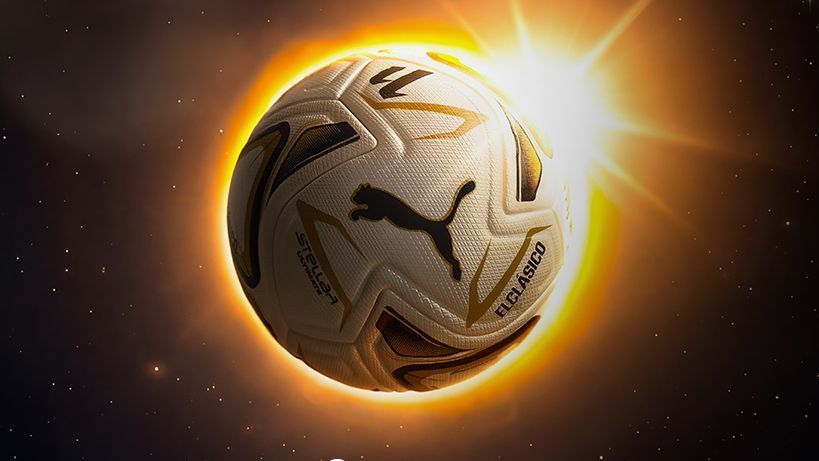
Why a bespoke ball matters for LaLiga’s global strategy
The introduction of a specially designed match ball for El Clásico is more than a cosmetic upgrade; it signals LaLiga’s intent to monetize its marquee fixtures beyond broadcast rights. By releasing a limited‑edition ball, the league creates a new revenue stream that can be sold to collectors, clubs, and fans worldwide, echoing similar moves by the Premier League and Serie A in recent seasons.
From a branding perspective, the ball carries visual cues that blend the identities of Barcelona and Real Madrid, turning the object itself into a piece of storytelling. This helps the league control the narrative around the rivalry, reinforcing its image as a premium product that fans can own, not just watch. The design also includes subtle references to LaLiga’s sustainability pledge, a point that appeals to environmentally conscious consumers.
Financially, the ball’s rollout coincides with LaLiga’s renewed focus on digital commerce. Early sales data from previous limited‑edition releases suggest that such items can generate six‑figure profits within weeks. Those earnings are earmarked for grassroots programmes across the league’s partner nations, a detail that ties the commercial gamble back to community development.
The African fanbase: a growing market for Spanish football
Africa has become one of LaLiga’s fastest‑growing audiences, with the continent accounting for an estimated 12 % of the league’s global digital viewership in 2025, according to a report by Nielsen Sports. The El Clásico match alone draws millions of concurrent streams from Nigeria, Kenya, South Africa and the diaspora in the United Kingdom and the United States.
That audience translates into buying power. Market research by PwC shows that African football fans spend on average 30 % more on merchandise than their European counterparts, driven by a desire to showcase allegiance to clubs that have historically recruited African talent. A bespoke El Clásico ball therefore represents a high‑value product that can tap into this willingness to invest in premium memorabilia.
LaLiga’s commercial partners have taken note. In 2024 the league signed a multi‑year sponsorship with a South African e‑commerce platform, aiming to sell official gear directly to consumers on the continent. The new ball will be a flagship item in that partnership, with localized marketing campaigns that feature African influencers and former LaLiga players of African descent.
Impact on African football equipment and local manufacturers
The ball’s technology—featuring a hybrid foam core, aerodynamic panel shaping and a bio‑based polyurethane coating—sets a benchmark for high‑performance equipment. African academies and clubs that have traditionally relied on cheaper imports are now faced with a decision: continue using low‑cost alternatives or upgrade to standards that mirror the elite game.
Some local manufacturers see an opportunity. A Ghanaian sports‑goods firm, KenteKicks, announced plans to produce a “regional edition” of the LaLiga ball using locally sourced natural rubber, citing the league’s sustainability narrative as inspiration. If successful, the project could create jobs and reduce import dependence, echoing similar collaborations that have emerged between European leagues and African textile producers.
Coaches across the continent are also paying attention to the ball’s behaviour. In a recent webinar hosted by the Confederation of African Football (CAF), technical director Patrice N’Dour highlighted that the ball’s reduced drag and consistent bounce could help young players develop better touch and shooting accuracy—skills that are directly transferable to competitive matches.
Diaspora pride and player representation
African players continue to shape the narrative of LaLiga. While the 2026 season sees a reduced number of African stars compared with the early 2020s, the presence of talents like Senegal’s Sadio Mané (who recently transferred back to Europe) and Nigeria’s Victor Osimhen (still at Napoli but a frequent LaLiga commentator) keeps the connection alive. The ball’s launch was accompanied by a social‑media campaign that featured clips of African‑born LaLiga legends celebrating past El Clásico victories.
For the diaspora, owning the ball is a way to bridge geography and identity. Nigerian‑British blogger Chidinma Okeke wrote that the limited edition “feels like a piece of home, a reminder that the players we grew up watching are still part of our daily conversations, even when we’re miles away.” Such sentiment fuels word‑of‑mouth promotion that traditional advertising cannot match.
Moreover, the ball’s design includes a subtle nod to the African continent—a faint pattern derived from traditional Ndebele motifs hidden in the seams. This detail, confirmed by LaLiga’s creative director, was intended to acknowledge the league’s African fanbase and signal a long‑term commitment to inclusive branding.
What’s next: future customisations and African partnerships
LaLiga has hinted that the El Clásico ball is the first of a series of customised match balls for high‑profile fixtures, including the Copa del Rey final and the Supercopa. Industry analysts predict that each new design will incorporate elements that speak to specific regional markets, potentially leading to a “Pan‑African” edition that celebrates the continent’s football heritage.
The league’s strategic roadmap, disclosed at a recent summit in Dubai, lists Africa as a priority region for partnership development. Planned initiatives include youth coaching clinics in Lagos and Accra, co‑branded digital content with African streaming services, and a joint venture with a Kenyan tech startup to create augmented‑reality experiences around match‑day memorabilia.
If these plans materialise, the ripple effect could be profound: increased investment in African football infrastructure, higher visibility for African players in European leagues, and a more diversified revenue model for LaLiga that is less reliant on European broadcasting deals. The El Clásico ball, therefore, is both a product and a catalyst for a broader shift toward a truly global football economy.
Quick Answers
When will the 2026 El Clásico ball be available for purchase in Africa?
The ball goes on sale globally on October 5, 2026, with dedicated e‑commerce partners in Nigeria, South Africa and Kenya offering regional shipping.
Which African players are currently in LaLiga?
As of the 2026 season, notable African players include Senegal’s Sadio Mané (formerly of Barcelona) and Ghanaian midfielder Thomas Partey, who returned to the league with Atlético Madrid.
How does the new ball differ technically from previous match balls?
It features a hybrid foam core, aerodynamic panel shaping and a bio‑based polyurethane coating that reduces drag and improves consistency in wet conditions.
Source: www.espn.com




💬 Comments 0