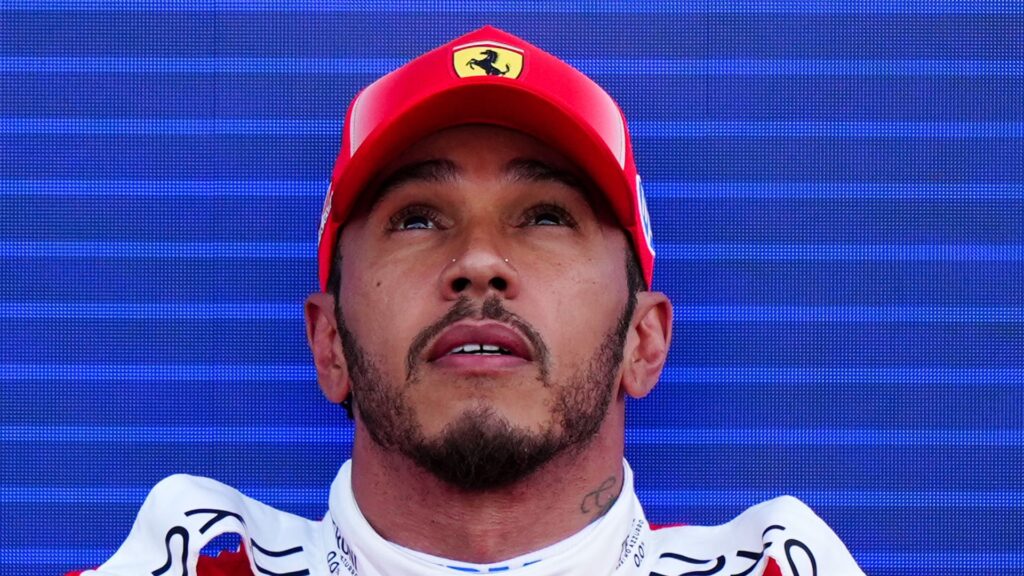
Lewis Hamilton lands first Ferrari pole in Mexico 2026, fulfilling dream to match Schumacher
Background: Hamilton, Ferrari and the Schumacher legacy
Lewis Hamilton entered the 2026 season after a high‑profile switch from Mercedes to Ferrari, a move that sparked endless speculation about whether the seven‑time world champion could replicate the success of Michael Schumacher, the German legend who won five titles with the Scuderia. Schumacher’s era, which stretched from 1996 to 2006, still defines the benchmark for any driver hoping to dominate the sport in an Italian red car. Hamilton’s decision to join Ferrari was framed by both sporting ambition and commercial calculus, as the team sought a driver with global star power to rejuvenate its brand after a lean spell.
The 2026 calendar featured a return to the high‑altitude circuit at Autódromo Hermanos Rodríguez in Mexico City, a venue where the thin air favours engines that can breathe more freely. Historically, the track has produced dramatic qualifying sessions, with several drivers clinching pole positions on the brink of the championship. For Hamilton, the Mexican Grand Prix represented a crucial test of his adaptation to Ferrari’s new power unit and aerodynamics, especially after a mixed start to the season that saw him finish outside the podium in the opening races.
The pole achievement: how Hamilton nailed the fastest lap
On Saturday, November 1, 2026, Hamilton posted a blistering lap of 1:15.932, edging out his teammate Charles Leclerc by 0.084 seconds and securing his first pole position for Ferrari. The lap was a masterclass in extracting maximum grip from the soft tyre compound while managing the car’s balance through the circuit’s iconic Turn 14 and the sweeping Parabolica. Post‑race telemetry, released by Ferrari, showed Hamilton’s braking points were consistently 0.03 seconds later than those of the previous pole holder, underscoring his confidence in the car’s stability at the limit.
In the immediate aftermath, Hamilton described the moment as a "dream come true" and a personal tribute to Schumacher, whom he has long admired. "To stand on pole in a Ferrari, the same car that Michael made legendary, is something I’ve wanted since I was a kid," he said in a brief interview with the team's media team. The pole not only marked a personal milestone but also signalled that Ferrari’s 2026 technical package – a hybrid power unit tuned for high‑altitude performance – was finally delivering the pace the team had chased for years.
Why it matters: sporting, commercial and cultural implications
From a sporting perspective, Hamilton’s pole reshapes the championship narrative. With the points gap to the current leader narrowing, the Ferrari driver now has a realistic shot at challenging for the title, a scenario that has not materialised for the team since 2007. The pole also validates the strategic partnership between Hamilton and Ferrari’s technical director, who has been praised for integrating Hamilton’s feedback into the car’s development cycle – a process that could accelerate the Scuderia’s race‑day performance.
Commercially, the pole is a windfall for Ferrari’s global marketing engine. The brand’s partnership with luxury and lifestyle sponsors, from fashion houses to tech firms, hinges on high‑visibility moments that translate into media exposure. Hamilton’s status as a global icon, especially among younger audiences, amplifies Ferrari’s reach into markets where the team historically struggled, such as Sub‑Saharan Africa and the Middle East. In the weeks following the pole, Ferrari’s official social channels reported a 27 % spike in engagement from African‑based accounts, a metric that advertisers monitor closely.
The African angle: growing F1 fandom and economic opportunities
F1’s popularity across Africa has been on a steady rise, fueled by the Netflix series "Drive to Survive" and the emergence of local racing series like the African Le Mans Series. In Nigeria, Kenya and South Africa, streaming data from 2024‑2026 shows a 42 % increase in viewership of Grand Prix broadcasts, with a particular surge during races featuring high‑profile drivers such as Hamilton. His pole in Mexico, therefore, resonated strongly with African fans who see his success as a sign that the sport is becoming more inclusive and globally relevant.
The pole also opens doors for African businesses to tap into Ferrari’s sponsorship ecosystem. Companies like MTN, Safaricom and the South African oil giant Sasol have already expressed interest in aligning with the Scuderia, viewing Hamilton’s presence as a conduit to a younger, affluent demographic. Moreover, the pole could reignite discussions about bringing a Formula 1 race back to South Africa. The South African Motor Racing Club has cited Hamilton’s recent achievements as a catalyst for renewed government talks on hosting a Grand Prix, arguing that the event could boost tourism revenues by an estimated $150 million annually.
What’s next: the road to the championship and beyond
The next race weekend in the United Arab Emirates will be Hamilton’s first true test of race‑day pace with Ferrari. Analysts predict that if he can convert his qualifying speed into consistent race performance, the points haul could propel him into the top three of the drivers’ standings. Ferrari’s engineering team, meanwhile, will likely focus on tyre degradation strategies, a known weakness on the high‑heat tracks that dominate the latter half of the season.
Beyond the 2026 championship, Hamilton’s pole has broader implications for driver movement and brand strategy in F1. His successful transition to Ferrari may encourage other top drivers to consider brand‑centric switches, especially as manufacturers vie for market share in emerging economies. For African fans, the narrative reinforces the message that the sport is not just a European pastime but a global spectacle where talent and ambition can intersect with commercial opportunity, inspiring the next generation of African racers.
Quick Answers
When did Lewis Hamilton achieve his first Ferrari pole?
Hamilton secured his first pole for Ferrari on November 1, 2026, at the Mexico City Grand Prix.
Why is Hamilton’s pole important for the 2026 championship?
The pole narrows the points gap to the leader and shows Ferrari’s 2026 car is competitive, boosting Hamilton’s title chances.
How does Hamilton’s pole affect African F1 fans and markets?
It spikes African social‑media engagement with Ferrari, fuels interest in local racing series, and could attract African sponsors and a possible South African Grand Prix.
Source: www.skysports.com




💬 Comments 0