Ligue 1 reschedules matches amid France’s public protests 2026: impact on clubs, broadcasters and African players
Background: why the French calendar is being reshuffled
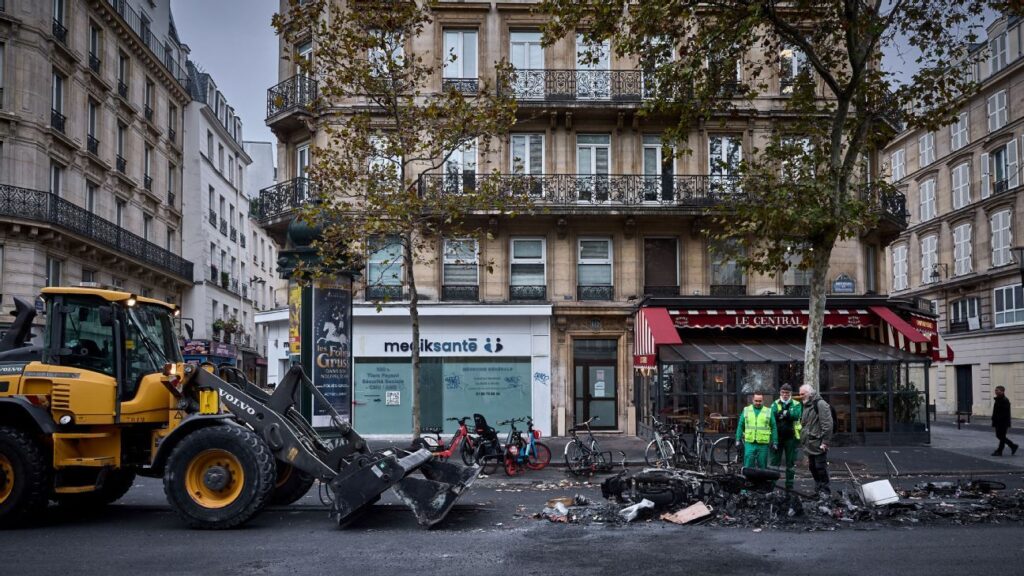
On October 26, 2026, French interior ministries warned that large‑scale demonstrations were planned across major cities, including Paris, Lyon and Marseille. The protests, sparked by a new pension reform bill, were expected to block major transport arteries and create safety concerns for tens of thousands of fans who travel to Ligue 1 stadiums each weekend.
In response, the Ligue de Football Professionnel (LFP) announced that all Saturday fixtures would be moved to Sunday or later in the week. The decision was taken after consultations with police, local authorities and the clubs’ security teams, who argued that postponing matches would reduce the risk of clashes between supporters and police forces.
The shift is not unprecedented; the French league has previously altered its schedule during the 2018 yellow‑vest protests and the 2020 COVID‑19 lockdown. However, the current wave of demonstrations is broader, involving unions, student groups and a growing number of young activists, which makes the logistical challenge more complex.
Immediate consequences for clubs and broadcasters
Moving games by even a few hours disrupts television contracts that are tightly timed to prime‑time slots in Europe and Africa. Canal+ and beIN Sports, the two main rights‑holders for Ligue 1, have to renegotiate live‑feed windows with satellite providers, which could lead to a short‑term dip in advertising revenue. Sources close to Canal+ said the network is preparing contingency plans that include replay packages and digital‑only streams for affected matches.
For clubs, the rescheduling means a compressed training schedule. Teams that were set to play on Saturday now face a shorter recovery period before the next mid‑week European competition. Smaller clubs, which rely on gate receipts from Saturday crowds, may see a dip in attendance because many fans work on Sundays and cannot travel as easily.
The logistical scramble also affects local economies that depend on match‑day commerce. Vendors, transport operators and hospitality venues in cities like Lille and Nice have warned that a loss of even one Saturday fixture could shave off several hundred thousand euros in revenue, according to statements from municipal chambers.
The African connection: players, markets and diaspora fans
Ligue 1 remains a key gateway for African talent into European football. In the 2025‑26 season, more than 120 African‑born players were registered across the 20 clubs, with notable names such as Senegal’s Sadio Mané (now at Rennes) and Nigeria’s Victor Osimhen (Lille) drawing huge viewership from the continent. Any disruption to the schedule therefore ripples into African broadcast markets that air Ligue 1 matches on channels like SuperSport and DStv.
African‑focused streaming platforms have reported that Saturday evenings are peak viewing times for their audiences. A shift to Sunday may clash with local religious services or family gatherings, potentially lowering the number of live viewers. This, in turn, could affect the bargaining power of African broadcasters when negotiating future rights fees with the LFP.
Beyond the numbers, the protests also raise questions about the social responsibilities of French clubs toward their African diaspora supporters. Several fan groups, such as the Paris‑based ‘African Unity Supporters’, have organised peaceful vigils outside stadiums to highlight both the French reform debate and ongoing issues of racial inequality in French football. Their presence underscores how the sport is intertwined with broader sociopolitical discourses that resonate across the continent.
What the rescheduling tells us about the broader protest trend in Europe
The decision to move Ligue 1 fixtures mirrors a growing pattern where cultural and sporting events are used as leverage in political negotiations. In the past year, major concerts in Berlin, rugby matches in London and even the EuroLeague basketball schedule have been altered to accommodate street protests. Analysts say that governments are increasingly willing to disrupt high‑profile events to avoid violent confrontations and protect public safety.
For the French authorities, allowing the league to adapt rather than forcibly keeping games on schedule signals a pragmatic approach. According to a statement from the Ministry of the Interior, the priority is to keep “public order and the safety of citizens” above commercial considerations, a stance that could set a precedent for future crises involving mass mobilisation.
The ripple effect may also influence how other European leagues plan contingency measures. The Bundesliga, which faced similar disruptions during the 2023 student protests, has already begun drafting a “flex‑calendar” that can be activated with 48‑hour notice. Ligue 1’s quick pivot could accelerate the adoption of such flexible scheduling across the continent.
Looking ahead: potential long‑term impacts and next steps
In the medium term, the LFP is expected to file a request with UEFA for a slight extension of the domestic calendar to accommodate the displaced matches. If approved, the league could push the season finale into early June, overlapping with the start of the 2026 FIFA World Cup qualification window. Clubs will need to manage player fatigue carefully to avoid injuries that could affect their World Cup squads.
African stakeholders are watching closely. Player agents have warned that a congested schedule could jeopardise the visibility of African stars ahead of the summer transfer window. A reduced number of live broadcasts may also diminish scouting opportunities for European clubs looking to recruit fresh talent from the African market.
Finally, the episode may spark a dialogue about the role of sport in civic life. Civil society groups in France have called for a “football‑for‑peace” initiative that would use match days as platforms for community dialogue, especially in neighbourhoods with large African immigrant populations. Whether such a program will materialise remains to be seen, but the current disruption has certainly opened a space for conversation.
Quick Answers
Why did Ligue 1 move its Saturday matches in October 2026?
The league rescheduled games because French authorities warned that nationwide protests could block transport routes and pose safety risks for fans and players.
How could the schedule change affect African viewers of Ligue 1?
Saturday evenings are peak viewing times in Africa; moving matches to Sunday may clash with local routines, potentially lowering live audience numbers and influencing future broadcast rights deals.
What are the possible long‑term consequences for French clubs?
Clubs may face a tighter calendar, increased player fatigue, and reduced gate receipts, while broadcasters could see lower advertising revenue and have to renegotiate live‑feed windows.
Source: www.espn.com




💬 Comments 0