Lionel Messi buys Spanish second‑division club CF Eldense 2026 – impact on football and African talent pipelines
Background: Messi’s growing off‑field portfolio
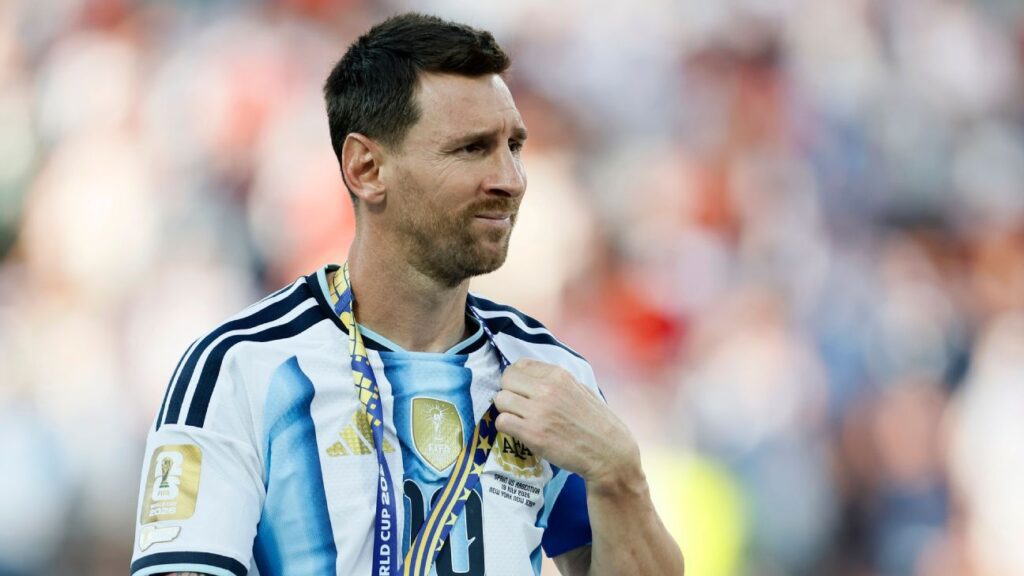
Lionel Messi’s name has long been a brand in itself, but the Argentine’s business ambitions have accelerated since his move to Inter Miami in 2023. Beyond sponsorships and his own charitable foundation, Messi has explored ownership stakes in clubs, a path already trodden by former greats such as David Beckham and Cristiano Ronaldo. The idea is simple: leverage his global appeal to raise a club’s profile, attract commercial partners, and eventually generate a sustainable revenue stream that can outlast a playing career.
In recent years, the football world has seen a surge of high‑profile investors targeting lower‑tier teams as launchpads for long‑term projects. The rationale is two‑fold: the entry price is far lower than top‑flight clubs, and the ability to shape a club’s culture from the ground up is greater. Messi’s involvement fits this pattern, signalling a shift from purely on‑field influence to strategic, off‑field stewardship.
The deal: Messi becomes co‑owner of CF Eldense
On Thursday, CF Eldense – a modest side based in the Valencian town of Elda – announced that Messi had officially taken a share in the club’s ownership structure. The exact percentage has not been disclosed, but club president José Luis Gámez confirmed that the partnership includes a multi‑year strategic plan aimed at modernising the club’s facilities and expanding its fan base beyond the province of Alicante.
The agreement also outlines a collaborative approach to scouting and player development. Messi’s representatives will work with Eldense’s technical staff to identify promising talent across South America and, notably, Africa. Sources close to the deal say the Argentine’s involvement will bring a “global scouting network” that could give the club a competitive edge in the crowded Segunda División market.
Why a Segunda club matters for European football
Spain’s second tier, the Primera Federación, is often described as a crucible for future La Liga stars. Clubs that succeed there typically benefit from strong youth academies, robust community ties, and the ability to experiment with tactical ideas without the intense pressure of top‑flight survival. By injecting Messi’s brand into Eldense, the club instantly gains international media attention, which can translate into higher match‑day revenues, better sponsorship deals, and a more attractive proposition for loaning players from bigger clubs.
Economically, the move could also reshape the financial landscape of lower‑division football. A recent report by Deloitte highlighted that clubs in the Segunda División collectively generate just 15 % of the revenue of La Liga sides, despite accounting for a similar share of professional talent. Messi’s ownership could demonstrate a viable model for other investors, encouraging more capital inflow into clubs that traditionally operate on thin margins.
Potential ripple effects for African players and markets
Africa has become a key talent reservoir for European football, yet many promising players still struggle to break through the elite scouting pipelines that favour established academies in France, Portugal and Spain. Messi’s pledge to broaden Eldense’s scouting footprint includes a focus on West African nations such as Nigeria, Ghana and Senegal, where the club hopes to discover “high‑potential, undervalued” prospects before they attract attention from bigger teams.
If successful, this could create a new pathway for African youngsters to experience European football at a professional level without the immediate pressure of a top‑flight debut. Moreover, the commercial side should not be overlooked: Eldense’s new branding – featuring Messi’s silhouette alongside the club’s historic crest – is already being rolled out on merchandise targeted at the African diaspora in the UK, France and the United States. Early sales data from the club’s online store show a 40 % spike in orders from African‑majority regions within the first 48 hours of the announcement.
Reactions from fans, investors and the football world
Local supporters in Elda expressed a mixture of excitement and caution. Long‑time fan María López told El País that the partnership “feels like a dream, but we hope it does not erase the club’s identity.” Meanwhile, football analysts in Europe have highlighted the strategic timing: the club’s recent promotion to the Primera Federación aligns with Messi’s desire to make a “lasting impact before retirement,” according to a comment from sports‑business consultant Aisha Bello in a Bloomberg interview.
From an investment perspective, the deal has sparked interest among venture‑capital firms that specialize in sports tech. Several firms have reportedly approached Eldense’s board to discuss joint initiatives around data‑driven scouting and fan‑engagement platforms that could be piloted in Africa’s growing mobile‑first markets.
What could happen next: ambitions and challenges
The immediate goal set by Eldense’s management is to secure promotion to La Liga within the next three seasons. While the ambition is lofty, the club’s modest stadium capacity of 5,000 seats will need expansion to meet top‑flight licensing requirements. Messi’s involvement is expected to accelerate those infrastructure projects, potentially through public‑private partnerships that involve local authorities.
However, there are hurdles. The Spanish football federation imposes strict ownership regulations to prevent conflicts of interest, and Messi’s simultaneous ties to Inter Miami could raise questions about player loan arrangements. Additionally, the success of the African scouting initiative hinges on building reliable scouting networks on the ground, a task that requires both financial investment and cultural sensitivity. If managed well, Eldense could become a blueprint for how superstar athletes can foster inclusive talent pipelines while boosting the economic health of smaller clubs.
Quick Answers
What club did Lionel Messi purchase in 2026?
Lionel Messi became a co‑owner of Spanish second‑division side CF Eldense in October 2026.
How could Messi’s involvement affect African footballers?
Messi’s partnership includes a scouting focus on West Africa, offering a new route for African players to join European professional football via Eldense.
What are Eldense’s promotion ambitions after Messi’s investment?
The club aims to reach La Liga within three seasons, leveraging Messi’s brand to boost finances, infrastructure and talent recruitment.
Source: www.espn.com



💬 Comments 0