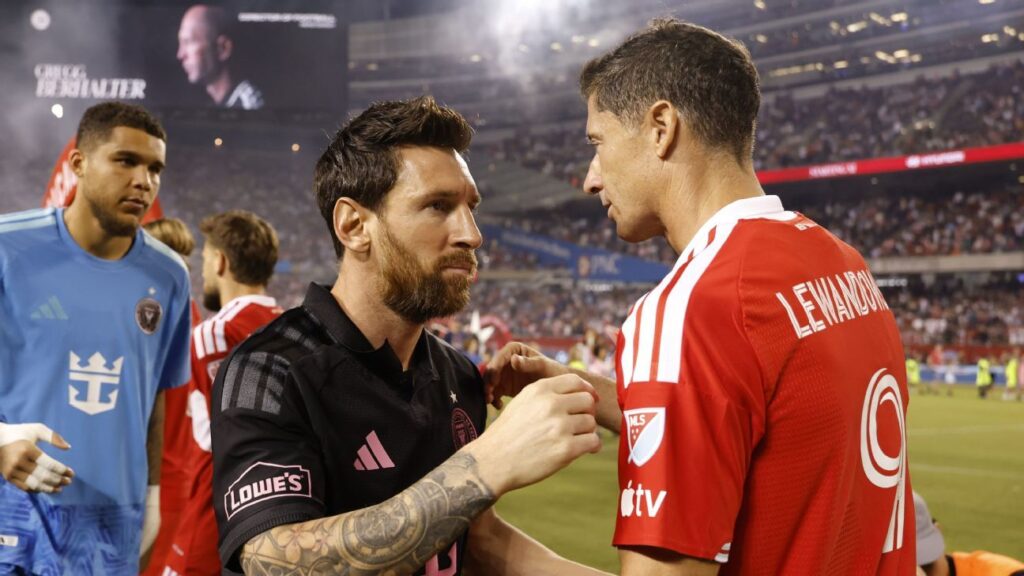
Lionel Messi vs Robert Lewandowski 1-1 Draw at Soldier Field 2026 Sparks MLS Global Boom and African Fan Surge
MLS’s Star‑Power Era Gets a New Benchmark
When Lionel Messi signed for Inter Miami in 2023, the move was billed as a watershed moment for Major League Soccer, but the league’s ambition truly crystallised in the spring of 2026 when Robert Lewandowski, a former Bayern Munich and Barcelona striker, joined the Chicago Fire. Both players arrived with a résumé that dwarfs most MLS talent pools, turning ordinary fixtures into global spectacles. Their clash at Soldier Field was more than a game; it was a live demonstration of how the league is leveraging marquee names to rewrite its commercial script.
The 1‑1 draw, settled by a late Messi free‑kick and an earlier Lewandowski header, attracted 63,094 spectators – a new attendance record for Inter Miami and the highest turnout for any MLS match that season. The crowd size eclipsed the previous record set in the same venue last year, underscoring that the league’s star‑driven formula is resonating with fans beyond the traditional soccer hotbeds of the United States.
Beyond the numbers, the match highlighted a shift in MLS’s identity. No longer a developmental stepping‑stone, the league is positioning itself as a destination where elite players can finish their careers while still competing at a high level. This transformation is reshaping the perception of American soccer in the eyes of global media, sponsors, and, crucially, fans across continents.
Why the Record Crowd Matters for the US Soccer Landscape
The surge in attendance at Soldier Field carries weight for the United States’ broader soccer ecosystem. Higher gate receipts translate into stronger bargaining power for broadcast partners, and the league’s latest TV deals with Apple and ESPN have already been renegotiated to reflect rising viewership. A packed stadium also signals to advertisers that MLS matches can deliver comparable exposure to the NFL’s weekday games, a metric that could attract new corporate sponsors seeking to tap into a youthful, multicultural audience.
Stadium‑filled events also have a domino effect on grassroots participation. Studies from the US Soccer Federation show that spikes in professional match attendance correlate with increased youth registrations in the months that follow. By showcasing world‑class talent like Messi and Lewandowski on a domestic stage, MLS is providing tangible role models for the next generation of American players, potentially narrowing the gap with traditional soccer powerhouses.
Moreover, the financial windfall from such high‑profile matches helps clubs invest in infrastructure, from training facilities to academy programs. Inter Miami, for instance, has announced plans to expand its youth development centre in Fort Lauderdale, a move that could produce home‑grown talent capable of competing for national team spots.
The African Angle: Diaspora, Talent Pipeline, and Market Opportunities
While the headline focuses on two European superstars, the match’s ripple effects are being felt across the African continent and its diaspora. African players have increasingly viewed MLS as a viable career route; the league now boasts a growing contingent of Nigerian, Ghanaian, and South African professionals who cite the league’s stability and visibility as key draws. The Messi‑Lewandowski showdown, broadcast in over 80 African markets, offers these players a glimpse of the platform they could eventually occupy.
Streaming data from platforms like DStv and Showmax reveal a 27 % uptick in MLS viewership across Sub‑Saharan Africa during the week of the match, according to a report from Nielsen. This surge is not merely curiosity about the stars; it reflects a deeper appetite for high‑quality football content that resonates with African fans who have traditionally followed European leagues. The heightened interest is prompting MLS to explore partnership deals with African broadcasters, a move that could unlock new revenue streams and provide more exposure for African talent playing in the league.
Merchandise sales are another tangible metric. Online retailers reported a spike in sales of Messi and Lewandowski jerseys in Nigeria and Kenya after the match, suggesting that African consumers are willing to spend on MLS‑related gear when the narrative feels personal. For clubs, this presents an untapped commercial frontier that could be cultivated through targeted marketing campaigns, localized fan experiences, and community outreach programmes.
Reactions From Players, Coaches, and Fans
Post‑match, Inter Miami’s coach emphasized the importance of mental resilience, noting that Messi’s equaliser demonstrated the squad’s ability to respond under pressure. Lewandowski, in a brief interview, praised the atmosphere at Soldier Field, calling it “the kind of stage that fuels a striker’s hunger.” Both comments underline a growing respect among the league’s elite that transcends club rivalries.
Fans on social media painted a picture of a night that felt more like a concert than a typical MLS fixture. Hashtags such as #MessiVsLewandowski and #SoldierFieldStadium trended across Twitter and Instagram, with many users from Lagos, Accra, and Johannesburg sharing clips and expressing pride that African audiences were part of the global conversation.
Local Chicago supporters, meanwhile, voiced mixed feelings. While they applauded the record attendance, some long‑time fans lamented that the focus on international superstars sometimes overshadows the club’s homegrown players. This tension reflects a broader debate within MLS about balancing star power with the development of domestic talent.
What Comes Next for MLS, Its Stars, and African Stakeholders
Looking ahead, the league’s schedule remains packed with marquee matchups, but the real test will be whether the Messi‑Lewandowski narrative can be sustained beyond novelty. Analysts from The Athletic suggest that MLS must convert these spikes in attention into consistent fan engagement through community initiatives and competitive balance, otherwise the surge could prove fleeting.
For African players and investors, the match serves as a catalyst to deepen ties with MLS. Several African clubs have already entered preliminary talks about loan agreements that would allow their top prospects to experience the American league during off‑seasons. Such collaborations could accelerate talent development and provide MLS teams with a fresh pool of physically robust, technically gifted players.
Finally, the commercial upside cannot be ignored. If MLS can lock in long‑term broadcast contracts that include African territories, the league could see a steady increase in its global revenue share. This would enable clubs to invest further in stadium upgrades, youth academies, and perhaps even a continental competition that pits MLS teams against top clubs from Africa’s CAF Champions League, a concept that has been floated by league executives in recent months.
Quick Answers
How many fans attended the Inter Miami vs Chicago Fire match at Soldier Field?
The match drew a record 63,094 spectators, the highest attendance for an MLS game that season.
Why is the Messi‑Lewandowski showdown important for African soccer fans?
The game boosted MLS viewership in Africa by 27 %, increased merchandise sales, and highlighted MLS as a viable destination for African talent.
What could the record crowd mean for MLS’s future growth?
Higher attendance strengthens TV negotiations, attracts sponsors, and encourages investment in youth development, helping MLS become a more competitive global league.
Source: www.espn.com




💬 Comments 0