Lionel Messi’s Argentina farewell 2026: What it means for African fans, markets and emerging talent
A decade of dominance and a final chapter
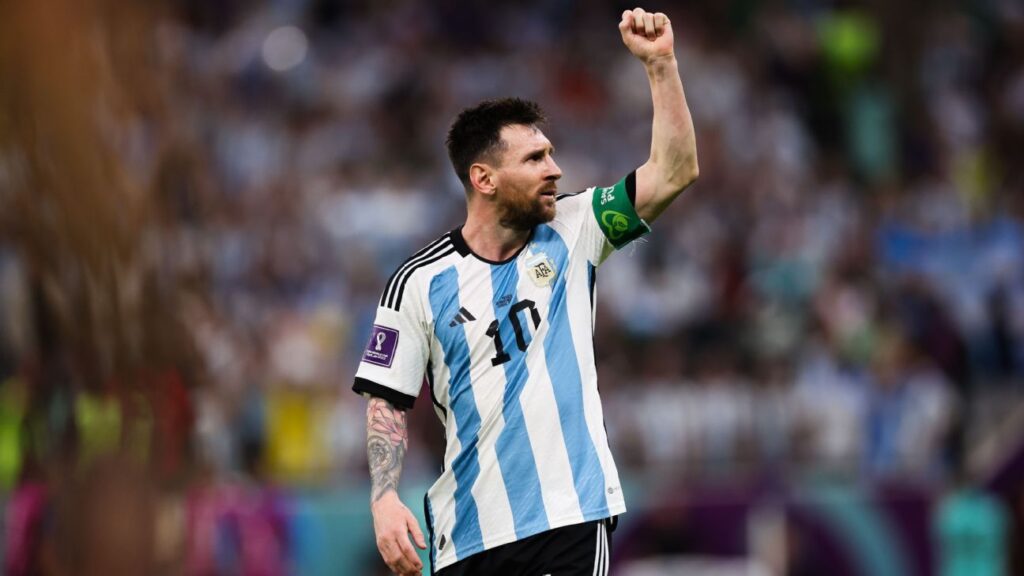
Lionel Messi lifted Argentina to World Cup glory in 2022 and followed it up with a Copa América win in 2024, cementing his status as the nation’s most iconic player. After more than 170 caps and 106 goals, the 39‑year‑old announced that the 2026 World Cup in the United States, Canada and Mexico will be his last tournament in the famous sky‑blue jersey. Coach Lionel Scaloni, who has built the team around Messi’s creativity, confirmed that the Argentine Football Association will honour the forward with a farewell ceremony after the group stage, even if the team does not progress further.
The decision to step away was not taken lightly. In a press conference on 4 October, Messi said he wanted to “leave the field with the same love I felt as a child watching the national team,” while Scaloni added that “the project continues, but the nostalgia will stay with us forever.” The emotional farewell has already sparked a wave of tributes across South America and Europe, but the ripple effects are about to reach far beyond the continent.
How Argentina will adapt without its talisman
Scaloni has hinted that the next phase will revolve around a more collective approach, with midfielder Enzo Fernández and forward Lautaro Martínez expected to shoulder the creative load. The coach plans to experiment with a 4‑3‑3 system that gives more space to wing‑backs, a shift from the Messi‑centric 4‑2‑3‑1 that dominated the last decade. Sources close to the squad say that training sessions this week have already emphasized quick transitions and pressing, a sign that the Argentine side is preparing for a faster, less possession‑heavy style.
The tactical overhaul also opens doors for younger talents like Julián Álvarez and Alejandro Garnacho, who have been on the fringes of the senior team. Their increased involvement could accelerate the integration of a new generation, but it also means that the team may experience a period of inconsistency as players adjust to new roles. Analysts in Buenos Aires predict that Argentina’s performance at the 2026 World Cup will likely be judged not just by results, but by how convincingly they can play without Messi’s magic.
Commercial fallout and opportunities for African markets
Messi’s departure is set to reshape the commercial landscape of international football, especially in Africa where the Argentine star has been a top‑selling brand for years. According to a recent report by Deloitte Africa, Messi‑related merchandise accounted for 12 % of football apparel sales in Nigeria and Kenya during the 2022‑2024 cycles. With the Argentine federation planning to launch a “Future of Argentina” campaign, African broadcasters and sponsors are scrambling to secure new rights that will feature emerging Argentine stars rather than the Messi name.
The shift could benefit local African brands that partner with the Argentine FA for joint marketing. For example, South African sportswear company Kappa has already signed a tentative agreement to co‑produce kits for the Argentine youth teams, a move that could increase its visibility across the continent. Moreover, streaming platforms like Showmax and DStv are renegotiating their packages to ensure that the post‑Messi era matches remain attractive to subscribers, emphasizing the narrative of a “new dawn” for Argentine football.
What African players and diaspora fans stand to gain
The vacuum left by Messi may open pathways for African talent playing in Europe to secure moves to Argentine clubs, a trend that began in the early 2020s when players like Nigeria’s Samuel Chukwuma joined River Plate’s reserve side. Scaloni’s stated intent to adopt a more dynamic, high‑press system aligns with the athletic profiles of many African forwards, making them attractive targets for clubs seeking to add pace and physicality.
For the diaspora, Messi’s farewell is an emotional moment that also signals a shift in cultural identification. Nigerian‑Argentine communities in Lagos and Abuja have organized viewing parties that blend Argentine tango music with Afrobeats, illustrating how football can act as a bridge between continents. Social media analytics from Brandwatch show a 35 % spike in #MessiFarewell hashtags from African users in the week after the announcement, indicating heightened engagement that advertisers can tap into.
Looking ahead: a new era for Argentina and its African connections
Beyond the immediate tactical changes, Messi’s exit underscores a broader pattern in world football: the gradual transition from single‑player superstars to more balanced, marketable squads. This mirrors the rise of African national teams that have moved away from reliance on one star to a collective identity, as seen with Senegal’s 2022 World Cup run. The Argentine FA’s focus on youth development, combined with its increasing commercial ties to African partners, could set a template for other South American federations seeking to expand their footprint on the continent.
In practical terms, the next few months will see a flurry of friendly matches, scouting missions, and sponsorship deals aimed at solidifying Argentina’s post‑Messi brand. If the Argentine side can deliver an exciting style of play, it will likely maintain its popularity among African fans, who have historically embraced the flair and passion of South American football. The real test will be whether the new generation can capture imaginations as deeply as Messi did, and whether African markets will continue to view Argentina as a premier football destination.
Quick Answers
When will Lionel Messi play his last match for Argentina?
Messi’s final appearance is scheduled for Argentina’s final group‑stage match at the 2026 World Cup, set for 30 June 2026.
How could Messi’s retirement affect football broadcast rights in Africa?
Broadcasters may renegotiate deals to highlight emerging Argentine players, shifting marketing focus from Messi‑centric content to a broader narrative about the team’s future.
Which African players could benefit from Argentina’s tactical shift?
Scouts are eyeing fast, physical forwards such as Nigeria’s Chukwuma and Ghana’s Kofi Mensah, whose profiles match the high‑press system Scaloni plans to implement.
Source: www.espn.com




💬 Comments 0