Lionel Scaloni signs contract extension through 2030 World Cup, Argentina coach until 2030
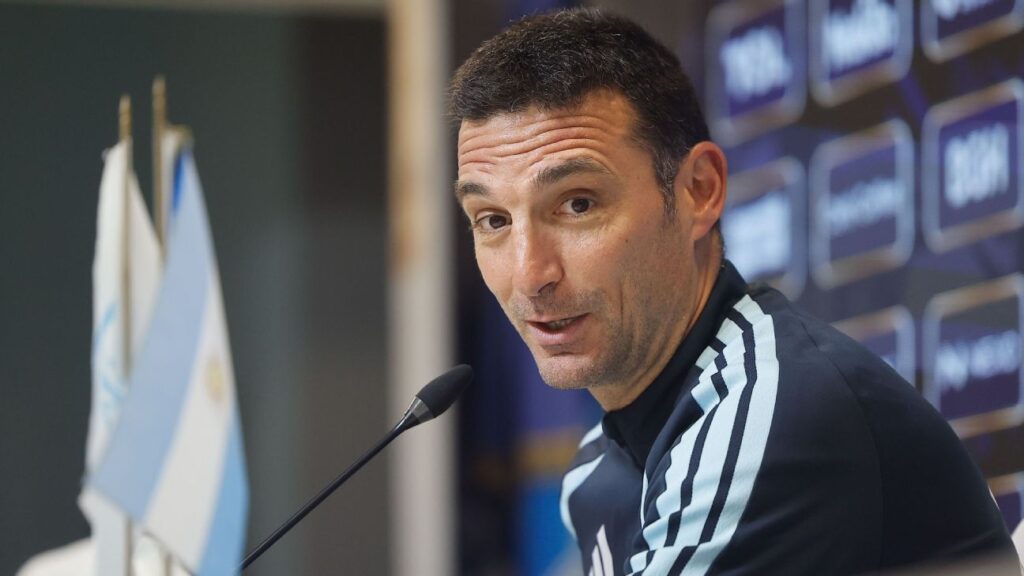
From interim to icon: Scaloni’s rapid rise
Lionel Scaloni arrived at the helm of Argentina’s senior side in 2018 as an interim caretaker after a disappointing Copa América campaign. The former right‑back, who had spent most of his post‑playing career in coaching roles for Argentina’s youth squads, was given a short‑term mandate to steady a team in transition. Within months he guided a youthful side to the 2019 Copa América final, and two years later, against all odds, he lifted the 2022 FIFA World Cup trophy, ending a 36‑year drought. Those achievements cemented his reputation as a tactician who blends pragmatic organization with the freedom to let star talent shine, a formula that has resonated across South America and beyond.
Scaloni’s success has also been marked by a willingness to integrate diaspora talent and experiment with player profiles that were previously overlooked. He gave a debut to forward Julián Álvarez, a product of Argentina’s lower‑division system, and later called up forward Julián Álvarez, who now stars for Manchester City, as well as Argentine‑born players with European club experience. This inclusive approach has broadened the talent pool and demonstrated that a national team can thrive without relying exclusively on the traditional powerhouses of Boca Juniors and River Plate.
The new deal: length, clauses and immediate reactions
In early November 2026 the Argentine Football Association (AFA) announced that Scaloni had signed a fresh contract that runs until the end of the 2030 World Cup cycle. While the exact financial terms remain confidential, the agreement reportedly includes performance‑related bonuses tied to World Cup progression and Copa América results, as well as a clause allowing Scaloni to step down only with mutual consent. The AFA’s president, Claudio Tapia, described the extension as “a vote of confidence in a coach who has delivered the nation’s most coveted prize and who will shape the next generation of Albicelestes.”
The reaction among fans and pundits has been largely positive, with many citing the need for stability after a period where South American federations frequently dismissed coaches after single tournament failures. Former Argentine striker Gabriel Batistuta, speaking to ESPN, said the continuity “gives the squad a clear roadmap and removes the panic that often follows a change in leadership.” Even rival federations, such as Brazil’s CBF, noted the move as a signal that Argentina is planning long‑term projects rather than short‑term fixes.
Why continuity matters: implications for Argentina, South America and Africa
A long‑term contract allows Scaloni to implement a multi‑year development plan that goes beyond the usual four‑year tournament cycle. He can now oversee youth‑team integration, establish a consistent tactical philosophy, and negotiate friendly fixtures that serve strategic purposes. For Argentine clubs, this means a clearer pathway for their prospects to transition to the senior side, potentially raising the overall standard of the domestic league. Moreover, a stable coaching environment makes Argentina a more attractive opponent for African nations seeking high‑profile friendlies that boost FIFA ranking points and generate broadcast revenue.
The African angle is subtle but significant. In recent years, several African football associations have struggled with frequent coaching changes, which hampers player development and reduces the likelihood of securing lucrative match‑day deals with European or South American giants. Scaloni’s extended tenure could open doors for joint training camps, scouting exchanges, and even the inclusion of African‑born players with Argentine eligibility—think of the growing number of second‑generation immigrants in Buenos Aires who could qualify through ancestry. Such collaborations would not only diversify Argentina’s talent pool but also provide African coaches and administrators a template for building long‑term national‑team projects.
Looking ahead: 2026 and 2030 World Cups, talent pipelines and market impact
With the 2026 World Cup in North America looming, Scaloni now has a full three‑year window to shape the squad’s composition. Early indications suggest a blend of experienced veterans like Lionel Messi’s younger brother, Maximiliano, and emerging stars from the Argentine Primera División who have already attracted interest from European clubs. The contract also gives Scaloni leeway to experiment with a high‑pressing style that mirrors successful European models, a shift that could make Argentine players more adaptable in top‑tier leagues and increase their market value.
From a commercial perspective, the stability of the coaching staff reassures sponsors and broadcasters. Argentine TV rights for the 2026 and 2030 tournaments are expected to command higher fees, especially as the team’s brand remains strong after the 2022 triumph. For the African diaspora in Argentina and across the continent, a consistently marketed Argentine side can spark increased viewership, merchandise sales, and even tourism as fans travel for friendlies scheduled in African capitals. This creates a feedback loop where sporting success fuels economic opportunities for both regions.
Finally, the extended contract sets a precedent that may influence other South American federations to adopt longer‑term planning, potentially narrowing the performance gap with African nations that have begun to prioritize coaching stability. If the Albicelestes continue to perform at the highest level under Scaloni’s guidance, it could inspire African football bodies to negotiate similar contracts for their own coaches, thereby fostering a more balanced global football ecosystem.
Quick Answers
When did Lionel Scaloni sign his new contract with the AFA?
Scaloni signed the extension in early November 2026, securing his role through the 2030 World Cup.
What does the contract guarantee for Argentina’s national team?
The deal ensures Scaloni remains head coach for the next two World Cups, allowing long‑term planning and performance‑linked bonuses.
How could Scaloni’s long‑term deal affect African football?
Stability may lead to more high‑profile friendlies, scouting exchanges, and potential inclusion of African‑born players eligible for Argentina, benefiting both continents.
Source: www.espn.com




💬 Comments 0