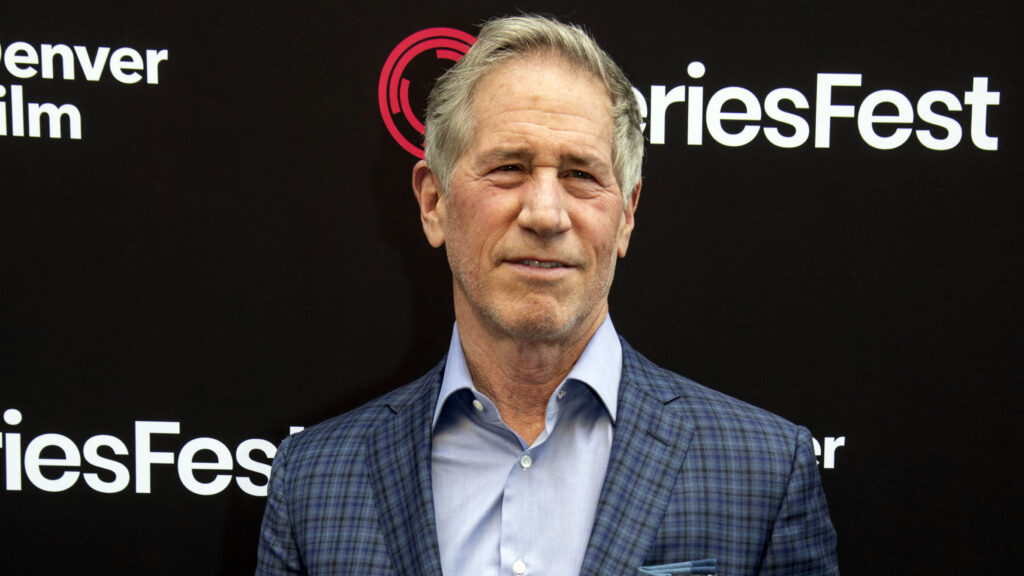
Lionsgate CEO Jon Feltheimer urges speedy Paramount‑Warner Bros. merger closure amid antitrust trial, citing African market impact
Background: A stalled megadeal in Hollywood
In early 2024, Paramount Global and Warner Bros. Discovery announced plans to combine their film and television assets, a move that would create the second‑largest content library in the United States after Disney. The merger, valued at roughly $30 billion, promised to streamline distribution, cut costs, and boost negotiating power with streaming platforms. However, the deal has been caught in a protracted regulatory review, with the U.S. Department of Justice signaling possible antitrust concerns.
The companies agreed to a “divest‑or‑delay” clause that pushes an eventual trial to March 2027 if the agencies do not grant clearance. In the meantime, both firms have been operating under a temporary partnership, sharing certain distribution rights while keeping most of their businesses separate. The drawn‑out timeline has left industry observers uneasy, as the uncertainty hampers long‑term planning for studios, advertisers, and downstream partners.
Lionsgate’s stake in the outcome
Lionsgate, led by veteran CEO Jon Feltheimer, occupies a unique position in the Hollywood hierarchy. While it is smaller than the two giants, it competes with them on theatrical releases, streaming content, and international sales. At the same time, Lionsgate often partners with Paramount and Warner Bros. for co‑production financing and distribution in markets where it lacks a direct presence.
Feltheimer told reporters in June that a prolonged merger review “creates uncertainty that is not good for anybody,” emphasizing that the delay hurts not only the merging parties but also competitors that rely on clear licensing windows. He added that Lionsgate would welcome a swift resolution because it would restore predictability to the supply chain that underpins its own slate of films and series.
Why the delay matters beyond the United States
The ripple effects of a Hollywood consolidation reach far beyond North America. Many African broadcasters, streaming services, and cinema chains secure content through licensing agreements that are negotiated years in advance. A merged Paramount‑Warner entity would control a larger chunk of premium titles, potentially reshaping pricing structures and exclusivity deals across the continent.
For African creators, the stakes are equally high. The combined studio could wield more influence over co‑production financing, which has become a key source of funding for Nollywood and South African film projects. A clear ownership structure would make it easier for local producers to approach the new conglomerate for partnership, whereas a prolonged legal battle creates a “wait‑and‑see” environment that discourages investment.
The African angle: distribution, streaming, and co‑production
Lionsgate already has a foothold in Africa through its partnership with MultiChoice’s DStv, which airs a slate of Lionsgate movies each month. The company also supplies content to emerging streaming platforms like Showmax and the Nigerian‑based iROKOtv. If the Paramount‑Warner merger goes ahead, the resulting mega‑studio will likely renegotiate its African licensing deals, potentially bundling more titles under a single contract. This could force local distributors to choose between a larger, more expensive package and smaller, niche agreements.
On the co‑production front, the merger could open doors for African stories to reach a global audience. Warner Bros. Discovery’s recent push into African‑centric content—exemplified by the success of “The Woman King”—shows a willingness to invest in the continent’s talent pool. A combined entity could double that budget, but only if it sees a clear return on investment. Feltheimer’s call for speed, therefore, may be a strategic move to ensure that Lionsgate remains a viable partner for any new African‑focused projects before the market is monopolised by the merged giant.
Finally, the timeline of the antitrust trial matters for the continent’s growing cinema infrastructure. Many new multiplexes in Kenya, Ghana, and Nigeria are still in the pipeline, and their content strategies hinge on long‑term licensing agreements. A merger that clears in 2025 would give these venues a stable slate of blockbuster releases for the next decade, whereas a 2027 resolution could leave a two‑year gap of uncertainty that might delay openings or force theatres to rely on older catalog titles.
What comes next? Possible scenarios and their implications
If the Department of Justice grants clearance before the March 2027 trial, the combined Paramount‑Warner entity could move quickly to re‑bundle its African distribution rights, likely offering a mega‑package to major pay‑TV operators. This would raise the cost of premium content for African broadcasters but could also bring higher‑budget productions to local screens faster.
Conversely, a court‑ordered block or a settlement that forces divestitures could preserve more competition in the market. In that case, Lionsgate might find new opportunities to negotiate directly with the split assets, potentially securing better terms for its African partners. Feltheimer’s public push for a quick closure can be read as an attempt to shape the regulatory narrative, signalling to U.S. authorities that a prolonged delay harms not only the two merging firms but also a wide network of global partners, including those on the continent.
Regardless of the outcome, the next 12‑18 months will be a period of strategic positioning for African media companies. Industry insiders advise that they should diversify their content sources, explore joint‑venture models with independent studios, and keep a close eye on how licensing negotiations evolve as the merger saga unfolds.
Quick Answers
What is the current status of the Paramount‑Warner Bros. merger? The deal is still pending regulatory approval, with an antitrust trial scheduled for March 2027 if clearance is not granted.
Why does Lionsgate care about the merger’s timing? CEO Jon Feltheimer says prolonged uncertainty disrupts licensing, co‑production deals, and market stability for both Lionsgate and its partners, including African broadcasters.
How could the merger affect African film markets? A combined studio would control a larger content library, potentially raising licensing costs but also offering more high‑budget co‑production opportunities for African creators.
Quick Answers
When is the antitrust trial for the Paramount‑Warner merger set to begin?
The trial is slated for March 2027 if the U.S. regulators do not clear the merger beforehand.
What role does Lionsgate play in African media distribution?
Lionsgate supplies movies to platforms like DStv, Showmax, and iROKOtv, and it partners with African cinemas for theatrical releases.
Could the merger impact co‑production deals for Nollywood?
Yes, a larger studio could offer bigger budgets for African co‑productions, but it might also tighten negotiations, making access to funding more competitive.
Source: variety.com




💬 Comments 0