Lisandro Martinez’s United outburst June 2024: Why PL execs stay silent for African fans
The Martinez moment and its fallout
On 12 June 2024 Manchester United centre‑back Lisandro Martinez took to his Instagram Stories to criticize the club’s hierarchy for what he called “a lack of ambition” and “constant interference”. The Argentine’s rant, which was streamed live to thousands of followers, sparked a flood of memes, fan debates and pundit analysis across the UK and abroad.
Martinez’s outburst came after a string of poor results, a high‑profile transfer saga involving midfielder Casemiro, and rumours that the club’s owners were considering a change in the sporting director. While the defender’s words were blunt, they echoed a growing frustration among players who feel sidelined by boardroom decisions that affect on‑pitch performance.
Why Premier League executives rarely answer back
The silence from Premier League executives is not accidental. Legal counsel often warns clubs that any public comment can become evidence in potential disputes over contracts, transfer fees or disciplinary matters. As The Guardian noted, “clubs operate in a risk‑averse environment where a single off‑the‑cuff remark can trigger costly litigation.”
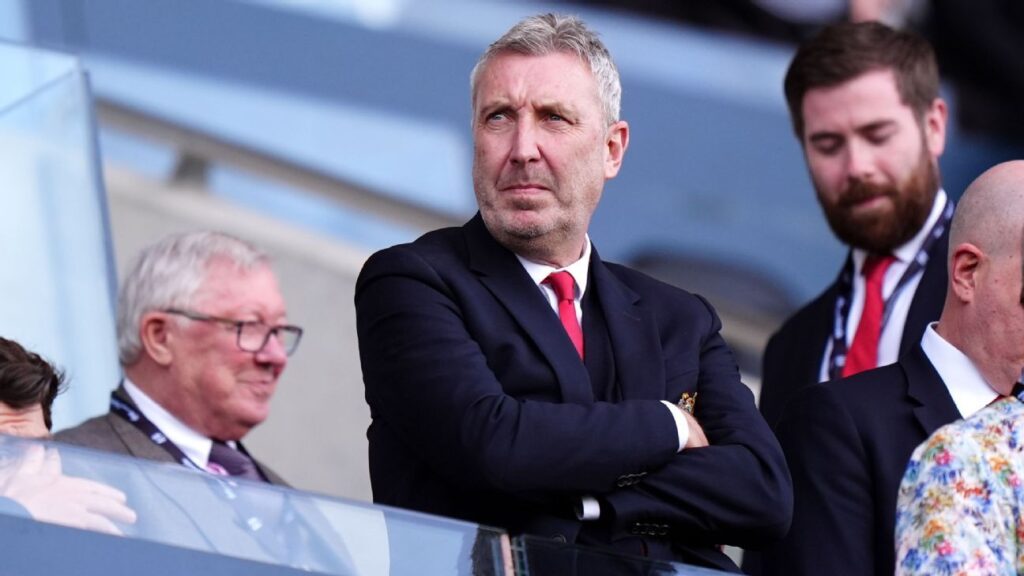
Beyond legal concerns, there is a cultural element. The league’s top brass have cultivated a “corporate‑first” narrative that prioritises brand stability over individual grievances. Executives such as Manchester United’s chairman Jim Ratcliffe typically rely on carefully scripted press releases rather than spontaneous interviews, a practice that reinforces a perception of distance between the boardroom and the dressing‑room.
Implications for African fans and the diaspora
African and African‑diaspora supporters make up a significant portion of the Premier League’s global audience, with estimates suggesting that over 30 % of the league’s international viewership originates from the continent. When a high‑profile player like Martinez airs frustrations, the lack of a direct response from club leadership can leave these fans feeling excluded from the conversation that shapes their favourite teams.
Moreover, African‑based sponsors such as MTN, Safaricom and Bet9ja have increasingly tied their brand equity to the transparency and accountability of the clubs they back. A prolonged silence may erode trust, making it harder for clubs to secure or renew lucrative African market deals. In a 2023 report, Deloitte warned that “fan disengagement in emerging markets can translate into a 2‑3 % dip in commercial revenue for clubs that fail to communicate effectively.”
A broader trend: player power meets corporate caution
Martinez is not the first player to go public. Recent seasons have seen Mohamed Salah, Kevin De Bruyne and Marcus Rashford use social media to pressure club hierarchies on everything from wage structures to community projects. This shift reflects a global trend where athletes leverage their personal brands to influence decision‑making, a dynamic that clashes with the traditionally opaque governance of English football.
The tension is especially visible in clubs with foreign ownership, where language barriers and differing business philosophies can amplify misunderstandings. Sources close to the league say that owners are now commissioning “communication audits” to gauge how best to balance player expression with corporate risk management.
What could change – lessons for African markets and beyond
One possible avenue for change is the introduction of a “player‑board liaison” role, similar to the United States’ Major League Soccer model, where a designated officer mediates between the squad and executives. Advocates argue that such a position would give African‑based fan groups a clearer channel to voice concerns, while also providing clubs with a structured way to address criticism without risking legal fallout.
Another lever is the growing influence of African investors in the Premier League. Recent stakes taken by South African billionaire Patrice Motsepe in clubs like Tottenham Hotspur highlight a shift toward more regionally attuned governance. If these investors push for greater transparency, we could see a new standard where club statements are routinely translated into African languages and disseminated through local media, fostering a more inclusive dialogue.
Quick Answers
Why did Lisandro Martinez criticize Manchester United’s hierarchy?
Martinez felt the club lacked ambition and that board decisions were harming the team’s performance, especially after a disappointing run of results.
What prevents Premier League executives from responding publicly?
Legal risk and a corporate culture that favours controlled messaging discourage executives from making spontaneous public comments.
How does this silence affect African fans of the Premier League?
African fans may feel excluded from key discussions, and the lack of transparency can damage trust with African sponsors and reduce commercial revenue.
Source: www.espn.com




💬 Comments 0