Liverpool sell minority stake to Jeff Bezos-backed consortium, 2026 deal
Background: Fenway Sports Group and Liverpool's recent trajectory
Fenway Sports Group (FSG) has owned Liverpool FC since 2010, guiding the club from a period of financial uncertainty to a modern, globally recognised brand. Under FSG, Liverpool secured Premier League titles, a Champions League trophy and expanded its commercial operations, turning Anfield into a revenue engine that now rivals the biggest clubs in Europe. The group’s strategy has consistently involved leveraging data, technology and strategic partnerships to maximise both on‑field success and off‑field earnings.
In recent years, FSG has explored ways to diversify its ownership structure without relinquishing control. The club’s valuation has risen sharply, crossing the £5 billion mark according to Bloomberg, prompting the owners to consider minority investors who can bring capital as well as strategic expertise. This approach mirrors moves by other Premier League giants, such as Manchester City’s partnership with Abu Dhabi investors, and reflects a broader trend of tech‑savvy capital flowing into football.
The Bezos‑backed consortium and deal specifics
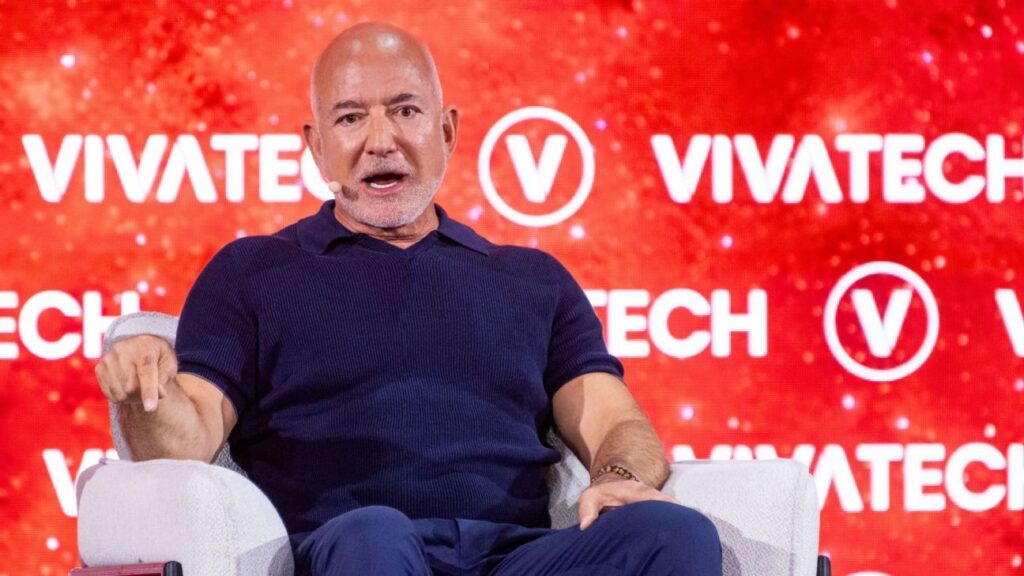
In July 2026, FSG announced the sale of a minority stake – estimated at 10 percent – to a consortium that includes Amazon founder Jeff Bezos and several of his long‑time investors. While the exact financial figure was not disclosed, sources close to the deal told Reuters the valuation placed the stake at roughly £500 million. The consortium also features a UK‑based private‑equity firm that has previously backed sports‑tech start‑ups, signalling a blend of financial muscle and digital know‑how.
The agreement gives the new shareholders a seat on Liverpool’s advisory board, but not voting rights on day‑to‑day football decisions. Instead, the focus is on expanding the club’s commercial footprint, particularly in digital media, e‑commerce and data‑driven fan engagement. Amazon’s involvement is expected to accelerate the rollout of streaming rights and merchandise sales through its global platforms.
Why the partnership matters for Liverpool’s future
First, the injection of capital strengthens Liverpool’s balance sheet, allowing the club to invest further in player recruitment, infrastructure and youth development without compromising its financial fair‑play position. FSG has already earmarked part of the proceeds for upgrades to the training complex at Kirkby, a project that could attract more African talent seeking a European pathway.
Second, the Amazon connection opens a direct line to one of the world’s most powerful digital ecosystems. Liverpool could leverage Amazon Prime Video to broadcast matches in markets where the club’s viewership is already high, such as Nigeria, Kenya and South Africa. This would not only increase broadcast revenue but also provide data insights into fan behaviour that can be monetised through targeted advertising and personalised merchandise offers.
Implications for African fans, markets and the diaspora
Africa is a cornerstone of Liverpool’s global fan base, with an estimated 30 million supporters across the continent according to a 2025 Nielsen report. The continent also accounts for a growing share of the Premier League’s digital audience, especially through mobile streaming. By aligning with Amazon, Liverpool can tap into Amazon’s expanding logistics network in Africa, shortening delivery times for official kits and reducing shipping costs for diaspora shoppers in the UK and US.
Moreover, the partnership could pave the way for joint community projects. Amazon has a history of investing in broadband infrastructure in emerging markets; a co‑branded initiative with Liverpool could bring high‑speed internet to underserved regions, creating new channels for fan interaction and grassroots football development. Such projects would resonate with African diaspora communities that look for authentic engagement beyond generic marketing.
What could happen next – the road ahead for Liverpool and African football
In the short term, Liverpool is expected to negotiate a multi‑year streaming deal with Amazon Prime Video that will include exclusive behind‑the‑scenes content tailored for African audiences. Analysts at KPMG predict that this could lift the club’s annual commercial revenue by up to £80 million within three seasons, a figure that would place Liverpool among the top three earners in the Premier League’s commercial rankings.
Longer‑term, the deal may inspire other African‑focused clubs to seek similar tech‑backed partnerships. If Liverpool’s model proves profitable, we could see a wave of minority‑stake sales to Silicon Valley investors targeting clubs with strong African followings, such as Tottenham Hotspur or Aston Villa. This would deepen the financial ties between European football and the continent, potentially reshaping talent pipelines, sponsorship structures and fan‑experience technologies across the sport.
Quick Answers
Who bought the minority stake in Liverpool FC?
A consortium that includes Amazon founder Jeff Bezos and his investment partners purchased an estimated 10 percent stake in Liverpool.
How will the Bezos‑backed deal affect Liverpool’s finances?
The deal injects roughly £500 million, strengthening the club’s balance sheet and enabling further investment in players, facilities and digital initiatives.
What does the partnership mean for African fans?
It could bring faster merchandise delivery, localized streaming on Amazon Prime Video, and community projects that improve internet access and football development across Africa.
Source: www.espn.com


💬 Comments 0