Luis Enrique vows to shut down Lamine Yamal as PSG face Barcelona in 2026 UCL clash
Background: Lamine Yamal’s meteoric rise
At just 16, Lamine Yamal has already become a household name in European football. The left‑wing prodigy broke into Barcelona’s first team last season, scoring his debut goal in a La Liga match and earning a place in the senior Spain squad for the Euro qualifiers. His blend of pace, dribbling flair and an eye for goal has drawn comparisons to Barcelona legends, and his market value has surged to over €30 million according to Transfermarkt.
Yamal’s heritage adds another layer to his story. Born in Spain to parents of Bissau‑Guinean descent, he embodies the growing influence of the African diaspora in elite European clubs. His performances have sparked pride across West Africa, where young players see a tangible pathway to the world’s biggest stages. The teenager’s social media following now exceeds two million, with a large share of followers based in Nigeria, Ghana and the broader diaspora.
Barcelona’s reliance on Yamal has grown as the club rebuilds after financial turmoil. The Catalan side has been forced to promote academy talent, and Yamal has become a focal point of their attacking plans. His ability to draw defenders creates space for teammates, making him a strategic asset in both domestic and continental competitions.
The tactical chessboard: Luis Enrique’s plan to neutralise Yamal
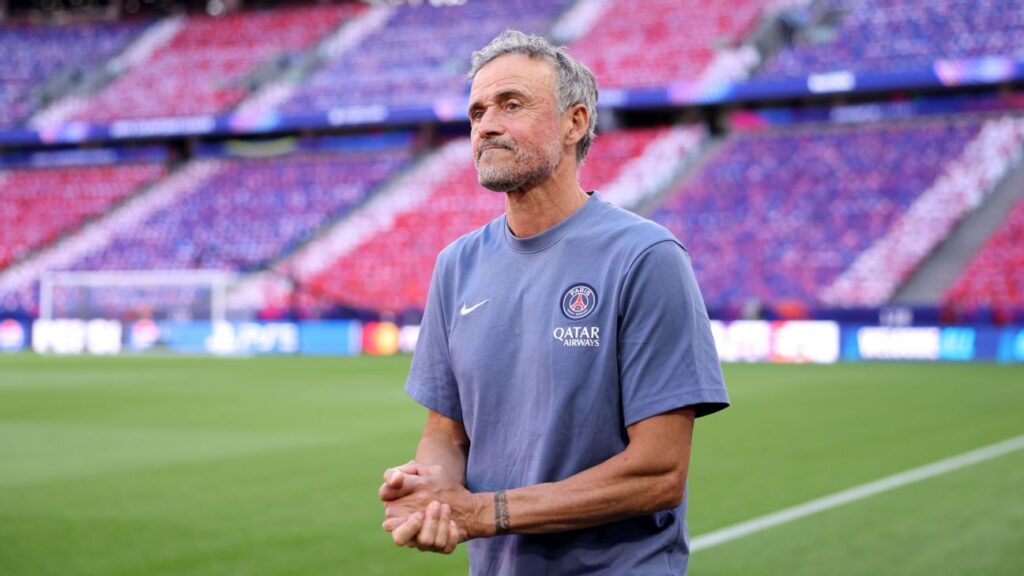
Paris Saint‑Germain’s new manager, Luis Enrique, has made it clear that the Spanish teenager will be the primary target of his defensive scheme. In a press conference ahead of the Champions League tie, Enrique said his side will “keep the ball away from Yamal at all costs,” hinting at a high‑press, possession‑heavy approach that limits the winger’s time on the ball.
Enrique’s blueprint leans on the experience of PSG’s midfield anchor, Marco Verratti, and the athleticism of defenders like Achraf Hakimi. By crowding the left flank and forcing Barcelona to play through the centre, the French club hopes to disrupt the rhythm that Yamal thrives on. The plan also includes quick transitions to exploit the spaces left behind Barcelona’s full‑backs when they chase the ball.
Analysts note that this strategy is risky for PSG. Over‑committing to a press can leave gaps for Barcelona’s creative midfielders, especially Pedri and Gavi, to find pockets of space. However, Enrique’s confidence reflects his belief that denying Yamal the ball will cripple Barcelona’s most dangerous outlet, a tactic that paid off during his tenure at Barcelona when he neutralised Lionel Messi’s influence in key matches.
Stakes beyond the pitch: commercial and diaspora implications
The clash carries weight far beyond sporting results. Both clubs view the Champions League as a platform to showcase their brands to a global audience, and the presence of a teenage African‑heritage star adds a compelling narrative for broadcasters and sponsors. In West Africa, viewership for European club football spikes during matches featuring players of regional descent, translating into higher advertising revenues for streaming services.
For the African diaspora in Europe and North America, Yamal’s performance is a point of cultural pride. Social media chatter indicates that hashtags linking Yamal to his Bissau‑Guinean roots trend during match days, driving engagement for local African media outlets. This heightened interest can translate into increased ticket sales for future tours, merchandise demand, and even grassroots football investments in the region.
PSG’s strategic focus on Yamal also signals to African markets that the club is attuned to the continent’s growing consumer power. By publicly acknowledging the player’s background, PSG may be positioning itself for future partnerships with African brands, similar to the club’s recent deal with South African telecom giant MTN.
Broader trend: European clubs hunting African‑heritage prodigies
Yamal is not an isolated case. Over the past five years, clubs like Manchester City, Bayern Munich and Juventus have intensified scouting networks across West Africa, signing teenagers such as Ghana’s Mohammed Kudus and Nigeria’s Samuel Chukwueze at early ages. This trend reflects a dual motive: uncovering raw talent at lower transfer fees and tapping into a continent with a massive, football‑obsessed fan base.
The influx of African‑heritage players into top European leagues has sparked debate about talent pipelines. Critics argue that European clubs sometimes poach prospects before they can develop within African academies, potentially weakening local leagues. Proponents counter that exposure to elite training environments accelerates player growth and ultimately benefits national teams when these players return for international duty.
For African football federations, the rising visibility of players like Yamal creates leverage in negotiations with clubs over training compensation and solidarity payments. If Yamal’s success leads to a transfer to a club like PSG, the Guinean Football Federation could claim a share of future fees, providing much‑needed funding for youth development programs.
What’s next: possible outcomes and ripple effects
Should PSG successfully contain Yamal, the tactical blueprint could become a template for future matches against teams that rely on a single creative outlet. A win would reinforce Enrique’s reputation as a defensive mastermind, potentially attracting more high‑profile signings eager to work under his system.
Conversely, if Barcelona finds a way to free Yamal and exploit the space he creates, the result could accelerate calls for PSG to revisit their defensive approach. A loss might also diminish the commercial momentum built around the African‑heritage storyline, prompting sponsors to seek alternative narratives for the upcoming season.
Regardless of the final score, the match will likely influence transfer market dynamics. A standout performance from Yamal could see interest from clubs in England’s Premier League or Italy’s Serie A, while PSG’s handling of the game may affect their positioning in the broader European power balance. For African fans, the episode underscores how a single player can become a focal point for sporting, economic and cultural conversations that stretch far beyond the stadium.
Quick Answers
Who is Lamine Yamal?
Lamine Yamal is a 16‑year‑old left‑winger of Bissau‑Guinean descent who plays for Barcelona and the Spanish national team.
Why is Luis Enrique focusing on stopping Yamal?
Enrique believes Yamal is Barcelona’s most dangerous creative outlet, so denying him the ball could cripple the Catalan side’s attack.
How does this match affect African football fans?
Yamal’s African heritage draws strong interest from West African audiences and the diaspora, boosting viewership, sponsorship appeal and potential investment in African football development.
Source: www.espn.com




💬 Comments 0