Man City appeal Premier League FFP verdict 2026: timeline, possible sanctions and African football impact
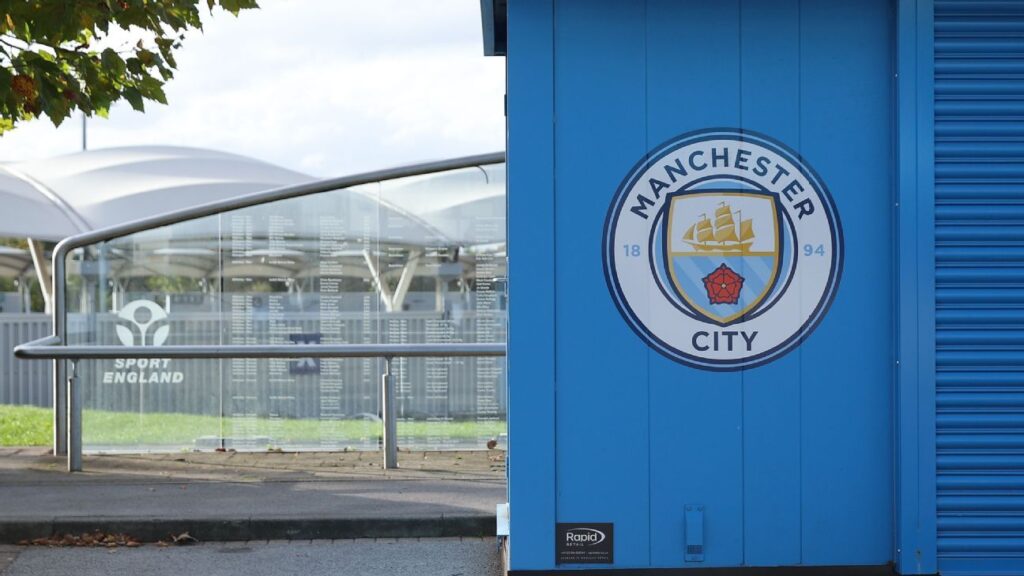
The FFP Verdict and Manchester City’s Appeal
In February 2026 the Premier League’s independent sanctions board concluded that Manchester City had breached the competition’s financial‑fair‑play (FFP) regulations, ruling the club guilty of overspending relative to its revenue streams. The decision, which came after a protracted investigation into the club’s sponsorship deals and player‑wage structure, mandated that the club face a series of punitive measures, ranging from fines to points deductions.
Within days of the verdict, Manchester City lodged an immediate appeal, citing procedural errors and arguing that the board had misinterpreted the club’s accounting practices. The appeal is being heard by a separate arbitration panel, as stipulated by the league’s disciplinary code, and the club is expected to present detailed financial documentation to contest the findings.
The appeal process is not unique to English football; similar routes have been taken by clubs in Spain and Italy when faced with FFP sanctions. However, the high‑profile nature of the case – involving one of the world’s most valuable football brands – means the outcome will set a precedent for how the Premier League enforces its financial rules going forward.
The Potential Punishments and Their Immediate Impact
If the sanctions board’s original ruling is upheld, the most likely penalties include a fine of up to £100 million, a deduction of three points for the 2026‑27 season, and a restriction on registering new players during the next two transfer windows. The board also warned that a repeat offence could trigger a more severe points‑deduction or even a temporary competition ban.
Such sanctions would reverberate across the league. A points loss could jeopardise City’s chances of retaining the Premier League title, altering the dynamics of the title race and potentially reshaping European qualification spots. The financial hit, meanwhile, would affect the club’s ability to meet existing wage commitments, forcing a reassessment of contracts for several high‑earning players.
For sponsors and broadcasters, the uncertainty surrounding City’s status could translate into short‑term revenue volatility. Companies that have invested heavily in the club’s global marketing – many of which have a strong footprint in Africa – may need to renegotiate deals or adjust activation budgets, a scenario that could ripple through advertising markets on the continent.
Ripple Effects on African Players and the Continental Market
Manchester City’s squad includes a growing contingent of African talent, such as Senegal’s Sadio Mané (who returned to the club in 2025) and Ghanaian midfielder Thomas Partey. A points deduction or transfer ban could limit the club’s capacity to retain or recruit additional African players, potentially redirecting talent toward other Premier League sides or to clubs in France’s Ligue 1, where many African stars already thrive.
Beyond the players themselves, the case influences the broader African football economy. The Premier League’s broadcasting rights, which command a massive share of the continent’s sports viewership, are heavily tied to the league’s marquee clubs. Any disruption to City’s on‑field performance could affect viewership figures, advertising rates, and ultimately the revenue that African broadcasters earn from Premier League packages.
Furthermore, the appeal highlights the growing scrutiny of sponsorship deals that originate from African markets. City’s 2024 partnership with a Nigerian fintech firm was one of the deals examined during the FFP investigation. While the board ultimately ruled the sponsorship legitimate, the case underscores how African‑based commercial agreements are now part of the regulatory conversation, offering both opportunities and challenges for future African‑European collaborations.
A Growing Trend: Financial Oversight and Its Global Reach
The Manchester City saga is part of a broader shift toward stricter financial governance in world football. UEFA’s recent overhaul of its club licensing system, combined with the English Premier League’s own tightening of FFP thresholds, signals a move away from the ‘big‑spending’ model that dominated the 2010s. Clubs that rely on external financing – whether from sovereign wealth funds, private equity, or emerging‑market sponsors – now face heightened scrutiny.
This trend is not limited to Europe. The Confederation of African Football (CAF) has launched a pilot financial‑fair‑play program for its club competitions, aiming to ensure that African clubs operate within sustainable budgets. The City case may serve as a reference point for CAF officials, who have expressed interest in adopting best‑practice guidelines from the Premier League’s sanctions framework.
For African diaspora fans, the increasing financial regulation can affect the way they engage with the sport. Many diaspora communities follow Premier League clubs through streaming services and betting platforms that rely on the stability and predictability of league operations. A high‑profile appeal that threatens a club’s competitive standing could shift betting patterns, subscription churn, and even the cultural relevance of certain clubs within diaspora neighborhoods.
Looking Ahead: Timeline, Stakeholder Reactions, and What It Means for Fans
The arbitration panel is expected to deliver its ruling by late November 2026, according to a source close to the process. Should the appeal be dismissed, the sanctions board will have a 14‑day window to finalize the exact penalties, meaning the league could announce definitive measures before the winter transfer window opens on 1 January 2027.
Fans across the globe – and particularly in Nigeria, Ghana, and South Africa where City enjoys a sizable following – have already taken to social media, demanding transparency and warning that any punitive action could erode the club’s reputation. Player unions, meanwhile, have warned that a points deduction could spark a wider debate about the fairness of punishing clubs for financial decisions that affect players’ contracts and career trajectories.
In practical terms, the outcome will shape the narrative of the 2026‑27 Premier League season. A points‑deduction could open the title race to clubs like Liverpool and Arsenal, while a transfer ban might accelerate the market for African talent elsewhere. For African broadcasters and betting operators, the final decision will dictate advertising spend and odds calculations for the coming months, underscoring how a single regulatory case can cascade through the entire football ecosystem.
Quick Answers
When will Manchester City’s FFP appeal be heard?
The arbitration panel is slated to deliver its decision by late November 2026, with any final sanctions announced shortly after.
What is the maximum penalty Manchester City could face?
The most severe sanction could be a three‑point deduction for the 2026‑27 season, a £100 million fine, and a two‑window transfer ban.
How could the case affect African players in the Premier League?
If a transfer ban is imposed, City may be unable to sign new African talent, potentially redirecting those players to other clubs or leagues.
Source: www.espn.com




💬 Comments 0