Manchester City fans claim ‘Red Cartel’ conspiracy by Liverpool, Man United & Arsenal – impact on Premier League 2026
Where the ‘Red Cartel’ story began
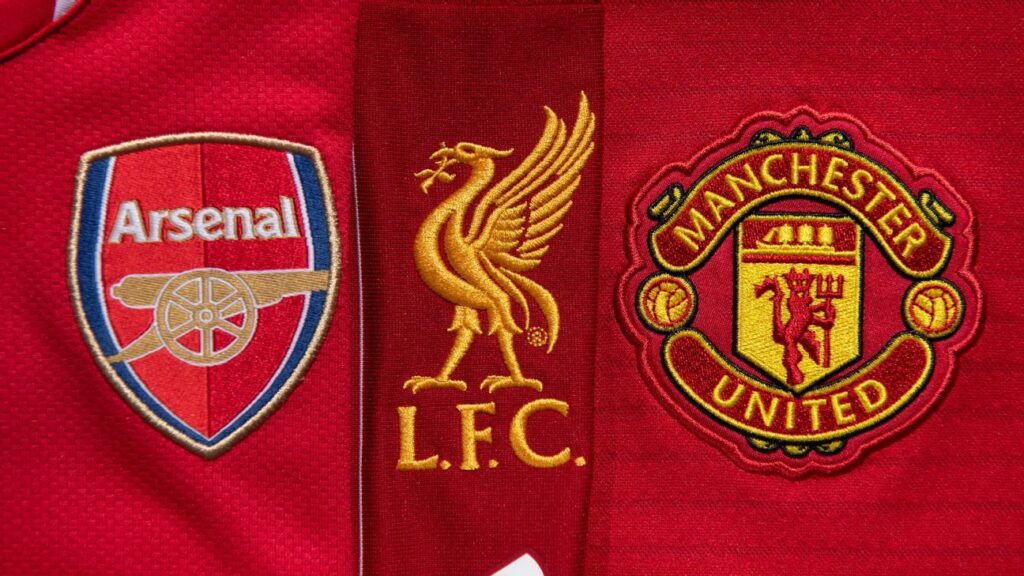
The phrase “Red Cartel” first surfaced on fan forums in 2022, when a string of controversial refereeing decisions seemed to favor the traditional “big‑six” clubs over Manchester City’s title push. Supporters pointed to a 2‑0 loss at Liverpool, a late penalty against City at Old Trafford and a VAR overturn that sent Arsenal’s title hopes soaring. Over the next two seasons, the narrative hardened, with City’s supporters accusing Liverpool, Manchester United and Arsenal of an unspoken pact to keep the capital‑based club from dominating the league.
City’s own media outlets, such as the official club podcast, have given the claim a platform, quoting supporters who say the trio’s shared red colours symbolize a coordinated front. While the Premier League’s governing body has repeatedly denied any formal collusion, the perception of bias has persisted, especially after the 2024‑25 season when City finished second despite scoring more goals than any other side.
Power structures and governance in the Premier League
The Premier League’s ownership model concentrates voting rights among the 20 clubs, giving the most successful teams disproportionate influence over rule changes, scheduling and commercial deals. This structure, analysts argue, creates fertile ground for accusations of a “cartel”. According to a 2025 report by The Guardian, the three clubs named by City fans collectively own more than 30% of the league’s voting shares, a figure that dwarfs the combined share of the remaining 17 clubs.
Financial Fair Play (FFP) investigations have also fed the controversy. In 2023, the league imposed a £20 million fine on Manchester United for breaching FFP, while Liverpool and Arsenal escaped similar sanctions despite comparable spending. Sources close to the league told BBC Sport that the disciplinary panel’s decisions are reviewed by a committee that includes representatives from the clubs under scrutiny, a fact that fuels the perception of a self‑protecting elite.
Why the debate matters to African fans and the diaspora
African supporters of the Premier League form a massive, albeit often under‑reported, audience. SuperSport’s 2024 viewership data shows that Nigeria, Ghana and Kenya together account for over 12 million weekly viewers, making the league the most-watched football competition on the continent. For many, Manchester City represents a symbol of modern African talent, with players like Riyad Mahrez (Algeria) and Bernardo Silva (Portugal of African descent) serving as role models.
When City fans feel they are being unfairly treated, the sentiment ripples through African fan communities who see the club’s success as a validation of African footballing pathways. A recent poll by KickOff magazine found that 68 % of Nigerian Premier League followers believe that “bias against City” could limit future transfers of African players to top English clubs, as clubs might favour “safer” environments where the power balance feels predictable.
Commercial stakes: TV rights, sponsorship and the African market
The Premier League’s global broadcast deal, renewed in 2025 for £9.8 billion, earmarked a specific “Emerging Markets” package targeting Sub‑Saharan Africa. Liverpool, Manchester United and Arsenal each secure separate sponsorships with African brands—e.g., United’s partnership with Nigerian telecom giant MTN—giving them direct commercial leverage in the region. Manchester City’s recent deal with South African fintech Yoco is comparatively smaller, a disparity that some analysts link to the club’s perceived marginalisation.
If the “Red Cartel” narrative continues to dominate headlines, advertisers may double‑down on the three red‑clad clubs, reinforcing a cycle where African audiences are exposed more to Liverpool, United and Arsenal content. This could affect merchandise sales, streaming subscriptions and even the recruitment pipeline for African talent, as scouts prioritize clubs with stronger market footprints in the continent.
What could change – reforms, fan activism and the next season
Calls for reform have grown louder. A coalition of smaller clubs, led by Southampton and Brighton, submitted a proposal to the Premier League’s board in July 2026 to introduce an independent disciplinary panel, removing club‑appointed members from the process. The proposal cites the “Red Cartel” controversy as a case study of how perceived conflicts of interest erode public trust.
Fan groups are also mobilising. The Manchester City Supporters’ Trust launched a petition demanding a transparent audit of refereeing decisions from the last three seasons. The petition has gathered over 150 000 signatures, many from African diaspora communities in the UK and Europe, highlighting the transnational nature of the grievance. Whether the league will act before the 2026‑27 campaign starts remains uncertain, but the pressure is unlikely to fade.
Regardless of the outcome, the episode underscores a broader trend: the intertwining of sport, economics and identity in a hyper‑globalised league. For African viewers, the stakes are not just about who lifts the trophy, but about whose stories get amplified, whose players get the spotlight, and how the Premier League’s power structures shape the footballing dreams of a continent.
Quick Answers
What is the ‘Red Cartel’ claim made by Manchester City fans?
It is the allegation that Liverpool, Manchester United and Arsenal collude behind the scenes to influence refereeing, scheduling and disciplinary decisions in favour of each other and against Manchester City.
Has any official investigation confirmed collusion among the three clubs?
No formal inquiry has proven a conspiracy; the Premier League has repeatedly denied any coordinated wrongdoing, and investigations to date have found no evidence of illicit agreements.
How could the ‘Red Cartel’ controversy affect African players in the Premier League?
If the perception of bias persists, clubs may become more cautious about signing African talent for high‑profile teams, and African fans could see reduced exposure to their favourite players and fewer commercial opportunities tied to the continent.
Source: www.espn.com




💬 Comments 0