Manchester Derby VAR error forces weekend stand‑down – what it means for Premier League officiating and African players in 2026
Background: The controversial decision that sparked the fallout
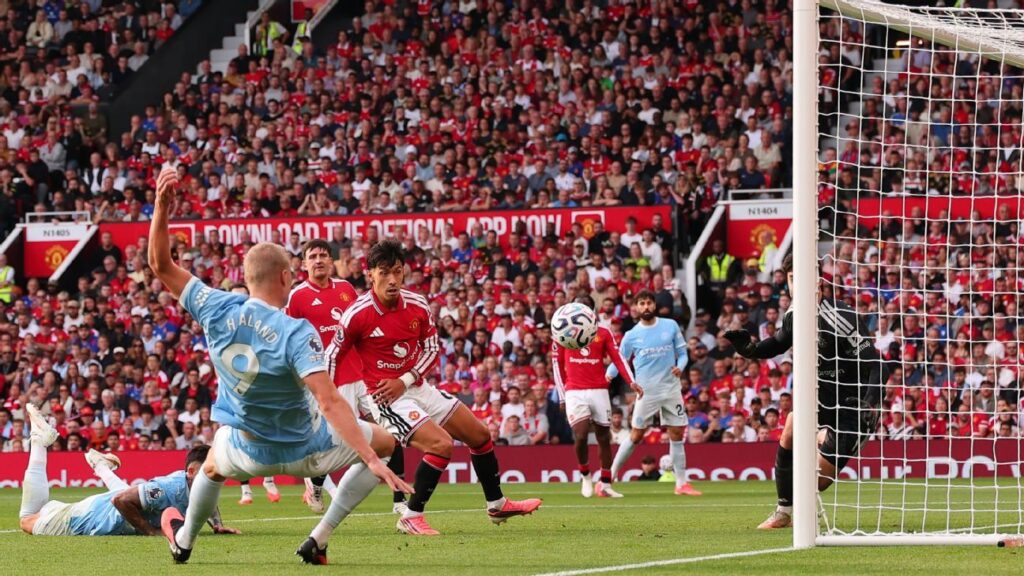
On Sunday, 10 September 2026, the Manchester derby at Old Trafford ended in a 2‑1 victory for Manchester City, but the result will be remembered more for the officiating than the football. A marginal handball in the build‑up to City’s second goal was reviewed by the Video Assistant Referee (VAR) and, despite clear evidence, the goal was allowed to stand. The decision sparked immediate protest from Manchester United players, fans and pundits, who argued that the error changed the match’s outcome.
The VAR on duty, former Premier League referee Paul Tierney, later admitted the review was “an error of judgement”. The Professional Game Match Officials Limited (PGMOL) issued a brief statement acknowledging the mistake and confirming that Tierney would not be appointed to any Premier League fixtures over the weekend. The move was the latest in a series of swift disciplinary actions taken against officials after high‑profile VAR blunders.
Why the stand‑down matters for the league’s credibility
The Premier League’s reputation for fairness rests heavily on the perceived impartiality and competence of its officials. When a VAR decision directly influences a marquee match, the league’s credibility is put under a microscope. Fans and broadcasters have long complained about the opacity of VAR processes, and this incident adds fuel to the fire, prompting calls for greater transparency and a review of the technology’s application.
From a commercial standpoint, the Premier League’s global TV deals hinge on delivering a product that feels just. Any hint that results can be swayed by a technical error threatens viewership numbers, especially in emerging markets across Africa where the league enjoys a massive following. Sponsors, too, are watching closely; repeated controversies could force advertisers to reconsider the value of their investments.
The broader pattern: VAR controversies and the push for reform
The Manchester derby is not an isolated case. In the past three seasons, the Premier League has recorded over a dozen instances where VAR decisions were later deemed incorrect, ranging from offside calls to handball rulings. A 2025 audit by independent watchdogs highlighted that 23% of VAR‑reviewed goals were either partially or wholly incorrect, a figure that has kept the debate alive in football circles worldwide.
These recurring issues have sparked a wider movement among former players, coaches, and even tech firms to redesign the VAR system. Proposals include limiting the number of reviews per match, introducing a “coach’s challenge” similar to rugby, and employing AI‑driven real‑time analysis to reduce human error. The weekend stand‑down of Tierney may act as a catalyst for the league to accelerate these reforms.
African players and fans: How VAR errors ripple across the continent
African talent forms a vital thread of the Premier League’s fabric. Stars such as Mohamed Salah, Sadio Mané, and Riyad Mahrez have not only lifted the league’s profile on the continent but also driven massive viewership spikes in Nigeria, Ghana, Senegal and beyond. When VAR decisions affect high‑profile African players—whether through disallowed goals or controversial penalties—the impact resonates far beyond a single match.
Consider the recent case of Ghanaian striker Thomas Partey, whose goal for Arsenal was ruled out after a protracted VAR review that many analysts called “over‑analysis”. The decision sparked a wave of criticism on African social media, with fans accusing the league of bias. In the Manchester derby, the error indirectly affected the African diaspora in Manchester, many of whom support United and felt the decision undermined the fairness they expect from a league they watch religiously.
What comes next: Potential changes and the road to restored trust
The immediate consequence for Paul Tierney is clear: a weekend without an appointment and a formal review by PGMOL. Longer‑term, the incident is likely to push the Premier League into a more transparent era of officiating. Sources close to the league say a new “VAR accountability panel” will be convened before the end of the season to evaluate each controversial decision and publish a concise report for the public.
For African stakeholders, the next steps involve ensuring that any reform considers the league’s massive African audience. Fan groups in Lagos, Nairobi and Johannesburg have already drafted petitions urging the Premier League to include African representatives on the VAR oversight committee. If these voices are heard, the league could set a precedent for truly global governance of its most contentious technology.
Quick Answers
Why was the VAR in the Manchester derby stood down from duty?
He was removed after admitting an "error of judgement" that allowed a disputed Manchester City goal, and the league decided to suspend him for the weekend.
How do VAR mistakes affect African Premier League fans?
Incorrect VAR calls can diminish trust among African viewers, many of whom follow the league closely and support African players, leading to criticism and calls for more transparent officiating.
What reforms are being discussed to improve VAR after recent controversies?
Proposals include limiting reviews per match, introducing a coach’s challenge, and using AI‑assisted analysis to reduce human error.
Source: www.espn.com

💬 Comments 0