Manchester United cautious on JJ Gabriel’s exit request, 15‑year‑old Nigerian talent 2026
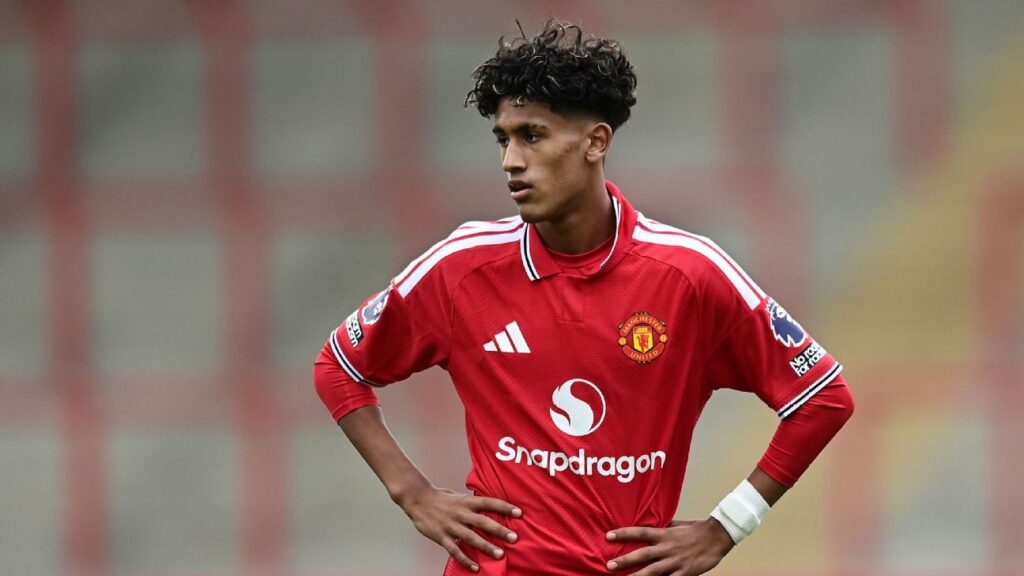
Background: Who is JJ Gabriel and why his name matters
JJ Gabriel, a 15‑year‑old forward, entered Manchester United’s academy in 2023 after being scouted from a Lagos‑based youth club. His rapid rise through the U‑14 and U‑15 ranks earned him a reputation as one of the most promising African prospects in Europe, drawing comparisons to former United stars who made the leap from the academy to senior football.
The teenager’s profile surged after United’s youth teams reached the FA Youth Cup semi‑finals last season, where Gabriel’s speed and finishing drew praise from coaches and pundits alike. His visibility grew beyond the football world when a short video of his training session went viral on social media, prompting a wave of support from the Nigerian diaspora and local fans who see him as a symbol of the nation’s emerging talent pipeline.
What happened: A request to leave and the club’s response
In early September 2026, Gabriel’s legal guardian submitted a formal request to Manchester United asking for the youngster’s release from his contract. The request cited concerns over his education, playing time, and the desire to return to Nigeria to join a local academy that promises a clearer pathway to first‑team football.
Manchester United’s former captain‑turned‑assistant Michael Carrick confirmed on the club’s official channels that he is “involved in conversations” about the matter. He added that United will be “careful” with any decision, emphasizing the need to balance the player’s welfare with contractual obligations and FIFA’s regulations on the transfer of minors.
Why it matters: Legal, sporting and cultural implications
The situation shines a spotlight on FIFA’s Article 19, which restricts international transfers of players under 18 unless specific criteria are met. If United were to release Gabriel, the club would have to ensure that any move complies with the rule, otherwise both parties risk sanctions. Legal experts say the case could become a reference point for future disputes involving African minors in European academies.
Sportingly, United’s handling of the request could influence how other top clubs manage young African talent. A flexible, player‑centred approach might encourage more families to trust European pathways, while a rigid stance could fuel criticism that big clubs exploit minors without guaranteeing their long‑term development.
African angle: The ripple effect on Nigerian football and the diaspora
Nigeria’s football federation (NFF) has long advocated for stronger domestic academies to retain talent. Gabriel’s desire to return home is being framed by officials as a validation of recent investments in Lagos‑based training centres, which now boast UEFA‑certified coaching staff and partnerships with European clubs.
The diaspora community in the United Kingdom has also taken a keen interest. Nigerian‑British fan groups have organised online petitions urging United to respect Gabriel’s wishes, arguing that his growth would be better served by playing in an environment that respects his cultural identity and educational needs.
What’s next: Possible scenarios and their impact on the wider game
One scenario sees United negotiate a loan move to a Nigerian Premier League side, allowing Gabriel to gain senior experience while remaining under contract. This hybrid solution could set a precedent for cross‑border development agreements, bridging the gap between European elite academies and African domestic leagues.
Alternatively, United could retain Gabriel, offering a revised education plan and guaranteed playing time in the U‑18 squad. Such a commitment would signal the club’s willingness to invest in holistic development, potentially attracting more African prospects who seek both footballing and academic support.
If the dispute escalates to FIFA arbitration, the outcome could reshape transfer policies for minors. A ruling that favours the player’s right to choose could empower families across Africa to demand greater agency, while a decision that upholds the contract could reinforce the status quo of club‑centric control.
Quick Answers
What are FIFA’s rules on transferring players under 18?
FIFA’s Article 19 generally bans international transfers of minors unless the player’s family moves for non‑football reasons, the transfer occurs within the EU/EEA for 16‑ to 18‑year‑olds, or the club meets specific educational and welfare criteria.
How could JJ Gabriel’s case affect other African youth players in Europe?
If United adopts a player‑centred solution, it may encourage other clubs to offer more flexible pathways, whereas a strict stance could prompt African families to reconsider sending teenagers abroad.
What options does Manchester United have to keep Gabriel while addressing his concerns?
United could arrange a loan to a Nigerian club, revamp his education plan, or guarantee senior‑team exposure in the U‑18 squad, each offering a different balance of development and contractual security.
Source: www.espn.com




💬 Comments 0