Manchester United crisis 2026: Glazer family absent as fans demand ownership change
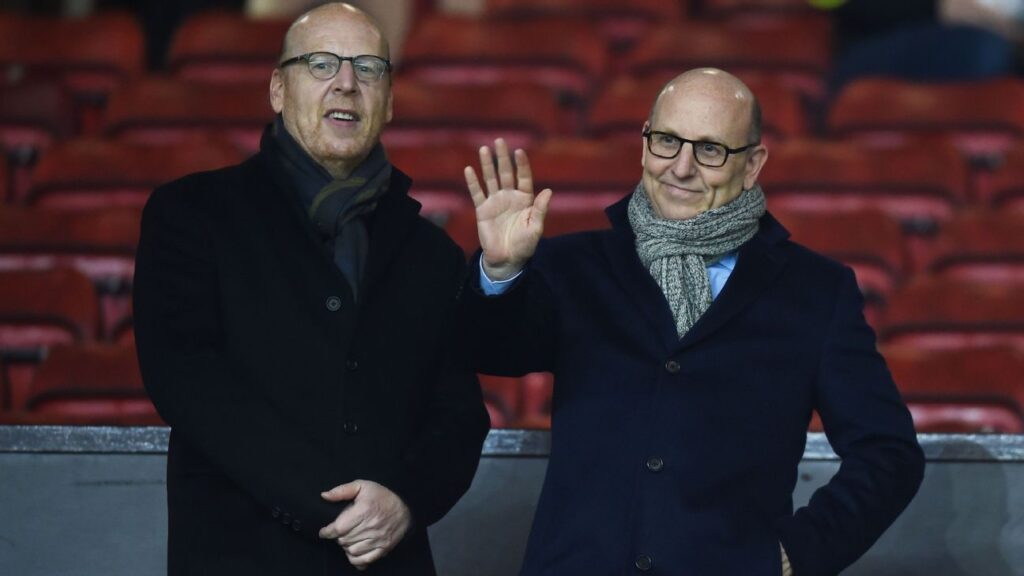
How the Glazers became the invisible owners
The Glazer family bought Manchester United in 2005 for a reported £790 million, a deal that sparked protests that still echo in the club’s corridors. Their leveraged‑buyout left the club with a heavy debt load, and over the years the family has been criticised for prioritising commercial revenue over on‑pitch success.
In recent months the Glazers have retreated from public view, missing press conferences and avoiding direct interaction with supporters. Their silence coincides with a string of poor results, a mid‑table Premier League finish last season and an early exit from the Champions League, fueling speculation that the owners are either disengaged or quietly preparing a sale.
What triggered the fresh wave of unrest in 2026
A surprise announcement that United would not be renewing a lucrative partnership with a major European sportswear brand raised eyebrows, especially because the deal was allegedly being renegotiated behind closed doors. Fans interpreted the move as another sign that the Glazers are more interested in short‑term cash than long‑term stability.
On 12 October, a coordinated fan march outside Old Trafford attracted more than 30,000 participants, many waving flags of African nations. The protest was organised by the Supporters’ Trust and demanded transparency, a reduction in debt, and the appointment of a director with footballing experience – a clear rebuke to the business‑first approach of the owners.
Why the crisis matters to African players and markets
Manchester United remains a magnet for African talent; stars such as Paul Pogba, Victor Osimhen and recent academy graduate Kelechi Nwankwo have boosted the club’s profile across the continent. Uncertainty at the boardroom level threatens the club’s ability to attract and retain such players, especially when rivals like Chelsea and Tottenham have promised clearer pathways for African prospects.
Commercially, United’s African fan base accounts for an estimated £150 million in merchandise sales each year. The club’s recent hesitation to launch a new Africa‑focused marketing campaign has been linked to the ownership’s reluctance to invest in region‑specific initiatives, a missed opportunity that could widen the gap with European rivals who are aggressively courting the continent’s growing middle class.
A global pattern: owners, fans and the fight for control
Manchester United’s predicament mirrors a broader trend in world football where wealthy consortiums or private equity firms acquire historic clubs, only to clash with passionate supporters. Recent examples include the attempted takeover of Juventus by an American investment group and the fan‑led push‑back against the owners of FC Porto in Portugal.
Digital activism has amplified these battles. Social media platforms allow diaspora fans—especially Nigerians, Ghanaians and Kenyans—to organise protests in real time, share insider information, and pressure sponsors. The 2026 United protest was livestreamed to over two million viewers across Africa, turning a local grievance into a transcontinental rallying cry.
What could happen next and how it will affect Africa
Analysts at Bloomberg report that a consortium led by a Gulf sovereign wealth fund and a South African private‑equity firm has entered exclusive talks with the Glazers. If the deal goes through, the new owners could inject fresh capital, but they may also reshuffle the club’s commercial strategy, potentially prioritising Middle‑East markets over Africa.
Conversely, a growing chorus of former players and African coaches is urging the club to adopt a fan‑ownership model, similar to that of German Bundesliga clubs. Should United move toward a hybrid structure, it could open pathways for African investors and community groups to gain a stake, thereby aligning the club’s global brand with the interests of its African supporters.
Quick Answers
Why are the Glazer owners absent from Manchester United's recent press events?
The Glazers have been silent as the club faces poor performance and mounting fan pressure, leading many to suspect they are preparing a potential sale.
How does Manchester United's ownership crisis affect African players?
Uncertainty can deter top African talent from joining or staying at United, while reduced investment in African marketing may cut revenue streams that support scouting and development.
Is there a possibility of African investors buying into Manchester United?
Reports suggest a South African private‑equity firm is part of a consortium in talks with the Glazers, which could bring African capital into the club if the deal closes.
Source: www.espn.com




💬 Comments 0