Manchester United fans set to protest season ticket ban before 2026 Manchester City derby
The ticket turmoil explained
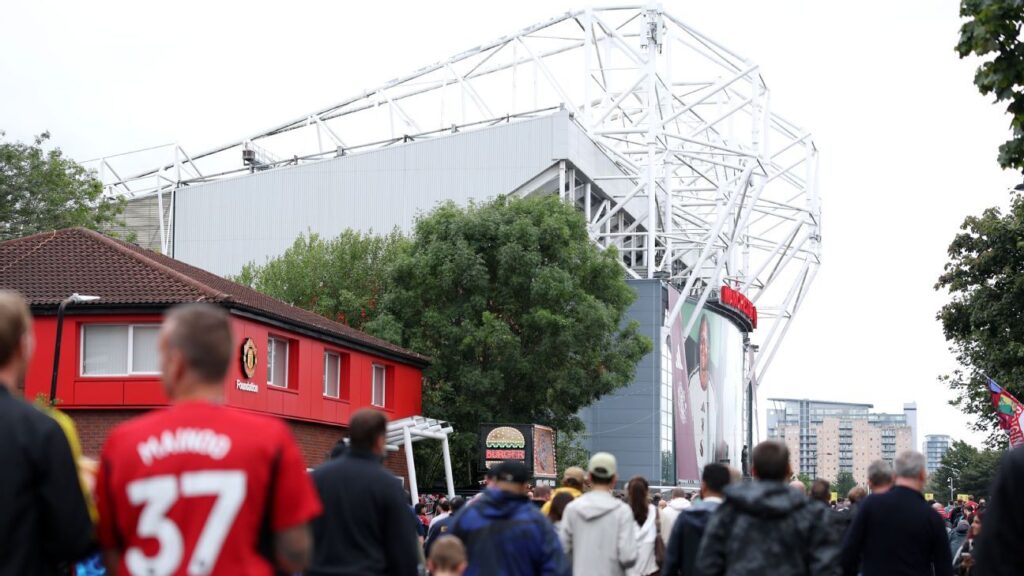
In early September 2026 Manchester United announced a temporary suspension of new season‑ticket sales, citing a "technical glitch" that left thousands of existing holders unable to renew or purchase upgrades. The club’s official statement described the issue as a "data‑migration error" that would be resolved within weeks, but the lack of a clear timeline left many supporters in limbo just days before the highly‑charged Manchester derby.
The ban has hit a wide cross‑section of the fan base, from long‑standing season‑ticket holders in Old Trafford’s North Stand to newer members who bought tickets through the club’s online portal. Critics argue the club’s communication was opaque, with fans receiving generic emails that offered no concrete solution, fuelling speculation that the move could be a cost‑cutting measure ahead of a financially uncertain season.
Fans’ frustration and the planned protest
A coalition of supporter groups, led by the Manchester United Supporters Trust (MUST), has called for a coordinated walk‑out at the 3:00 p.m. kickoff against Manchester City on Sunday. MUST’s spokesperson, James O'Connor, told local radio that the protest will involve chanting “We want our tickets” and displaying banners that read “Fans first, profits later”. The timing, he said, is intended to maximise visibility while the derby draws a global audience of over 100 million viewers.
Social media activity has surged, with the hashtag #TicketBanProtest trending on Twitter and TikTok among UK‑based fans and diaspora accounts. While some supporters worry that a protest could lead to stadium bans or legal action, many see it as a last resort after months of unanswered emails, phone calls, and a petition that has already gathered more than 25,000 signatures.
Financial and reputational stakes for the club
Manchester United generates roughly £500 million annually from season‑ticket revenue, a figure that underpins its ability to fund high‑profile signings and maintain a global brand. Any prolonged disruption could dent cash flow at a time when the club is negotiating new sponsorship deals in Asia and Africa. Analysts at Bloomberg warned that a public protest on derby day could pressure the board into offering immediate concessions, but might also damage the club’s image as a “family‑friendly” institution.
The timing also coincides with the Premier League’s broader review of ticket pricing and allocation policies, following similar disputes at Liverpool and Tottenham. If United’s fans succeed in forcing a reversal, it could set a precedent that encourages other clubs to adopt more transparent ticket‑sale practices, potentially reshaping the league’s revenue model.
African diaspora fans and the wider implications
A sizable proportion of United’s global fanbase resides in Africa and among the African diaspora in the UK, where the club enjoys a passionate following in Nigeria, Ghana, Kenya and South Africa. For many of these fans, season tickets are a status symbol that enables travel to Manchester for key fixtures, while others rely on club‑hosted viewing parties in cities like Lagos and Accra. The ticket ban threatens to exclude these communities from a cultural ritual that binds them to the club’s identity.
Beyond the emotional cost, there are economic ramifications. African‑based betting firms such as Bet9ja and SportPesa see spikes in wagering volume around the Manchester derby, and any fan unrest could affect betting patterns, advertising spend, and merchandise sales in the continent. Moreover, the protest could draw attention to the under‑representation of African voices in club governance, sparking calls for more inclusive fan advisory boards.
Looking ahead: potential outcomes and lessons learned
If the protest proceeds without incident, the most likely short‑term outcome is a negotiated settlement that reinstates the ability to purchase season tickets, perhaps with a discount or priority window for affected members. The club may also launch a dedicated help‑desk to address lingering concerns, a move that could restore some goodwill before the season’s critical early fixtures.
In the longer view, the episode underscores the need for top‑flight clubs to balance commercial ambitions with fan loyalty, especially in an era where digital ticketing systems are vulnerable to glitches. For African supporters, the incident could become a catalyst for greater organisation, prompting diaspora groups to lobby clubs directly and demand representation on fan panels. The derby, therefore, may mark not just a football clash but a turning point in how clubs engage with their worldwide communities.
Quick Answers
What is the season ticket ban at Manchester United?
It is a temporary suspension of new season‑ticket sales announced in September 2026 due to a data‑migration error that prevented renewals and upgrades.
When is the fan protest scheduled?
Supporters plan to stage a walk‑out during the 3:00 p.m. kickoff of the Manchester City vs. Manchester United derby on Sunday, 11 September 2026.
How could the ticket issue affect African fans?
African diaspora supporters may miss out on travel and viewing‑party opportunities, while reduced merchandise and betting activity could impact African market revenues linked to the club.
Source: www.espn.com


💬 Comments 0