Manchester United fans throw tennis balls at Old Trafford 2026 Champions League protest
Background: United’s turbulent season and fan frustration
Manchester United entered the 2026‑27 Champions League campaign under the shadow of a turbulent domestic season, with a string of inconsistent performances and a managerial change that left many supporters uneasy. The club’s recent transfer window saw high‑profile signings that failed to gel, while the ownership group, the Glazer family, continued to face criticism over perceived profit‑first policies. This discontent has been amplified by a growing sense that the team’s historic stature is being eroded, prompting fans to look for ways to make their voices heard.
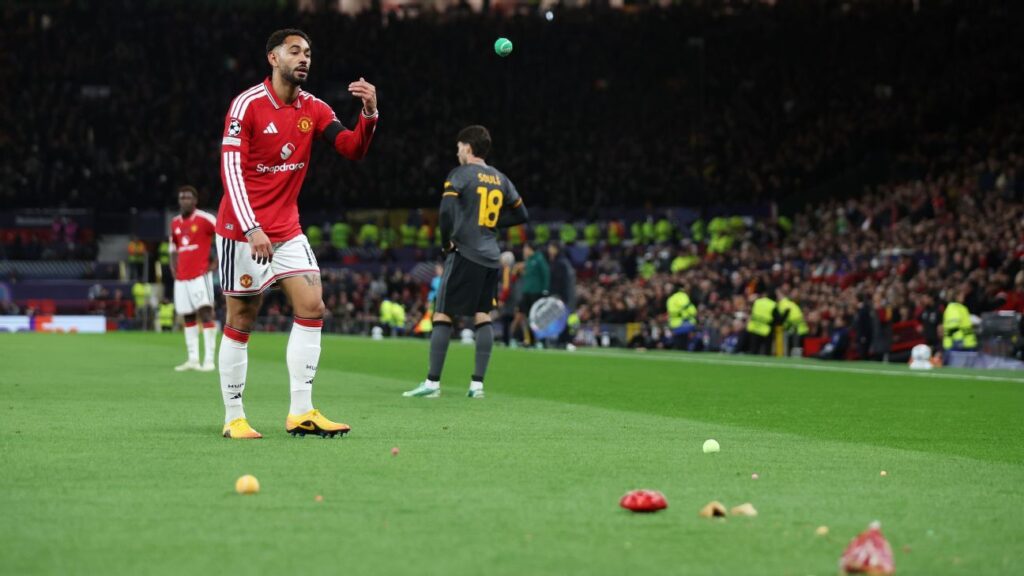
In the past two years, United supporters have organised several low‑key demonstrations, ranging from chanting slogans in the stands to boycotting merchandise. The latest protest at Old Trafford was the most visible yet, as fans chose to disrupt a high‑stakes match against AS Roma, a fixture that could determine United’s progress in Europe. The decision to use tennis balls—light, easily thrown objects—was intended to create a visual disturbance without endangering players, according to eyewitnesses.
The incident did not emerge in a vacuum. Earlier in the season, a petition calling for the Glazers to sell the club gathered over 200,000 signatures on Change.org, and a series of social‑media campaigns highlighted grievances over ticket pricing and the perceived neglect of the club’s youth academy. These actions set the stage for a more confrontational display at one of football’s most watched venues.
The incident: How tennis balls entered the pitch
At the 23rd minute of the match, a coordinated group of supporters in the north stand began hurling tennis balls onto the grass. Security staff quickly moved to clear the debris, but the interruption lasted several minutes as stewards tried to identify the culprits. The referee briefly halted play, prompting a flurry of commentary from broadcasters who noted the unusual nature of the protest. No player was injured, and the match resumed after the pitch was swept clean.
Video footage shared on Twitter and TikTok showed fans standing up, shouting, and then tossing the balls in unison, a tactic that mirrored earlier protests in European football where objects such as popcorn or confetti have been used to send a message. According to a report by The Guardian, the protest was organized through a closed‑door WhatsApp group of season ticket holders who felt that traditional chants were no longer being heard by club executives.
United ultimately turned the disruption into a dramatic comeback, scoring two late goals to secure a 2‑1 victory. While the win delighted many on the pitch, the protest added a layer of complexity to post‑match analysis, with pundits debating whether the fans’ actions helped galvanise the players or merely distracted from the sporting achievement.
Why it matters for African fans and the club’s market in the continent
Manchester United remains one of the most popular clubs across Africa, with a fan base that stretches from Nigeria to Kenya and South Africa. The club’s merchandise sales, broadcast rights, and digital engagement generate significant revenue from the continent, estimated at over $120 million annually according to a 2025 Deloitte sports report. A visible protest at Old Trafford can reverberate through these markets, influencing how African supporters perceive the club’s governance.
African diaspora communities in the UK, many of whom attend United matches, have expressed mixed feelings about the protest. While some see it as a legitimate expression of frustration, others worry that repeated disruptions could damage the club’s reputation and lead to stricter security measures that limit fan participation. A spokesperson for the Nigerian Football Federation, speaking to BBC Africa, suggested that United’s handling of fan dissent could set a precedent for how clubs engage with their African supporters in the digital age.
Moreover, the incident may affect United’s commercial partnerships with African brands. The club recently signed a multi‑year kit deal with a South African sportswear company, a contract that hinges on maintaining a positive brand image. If protests become frequent, sponsors could demand clauses that protect their investment, potentially reshaping the financial landscape for clubs that rely heavily on African markets.
A broader trend: Fan activism reshaping football governance
The tennis‑ball stunt is part of a growing wave of fan‑led activism across Europe and beyond. In Spain, supporters of Barcelona have staged banner displays demanding greater transparency, while in Italy, ultras have blocked stadium entrances to protest ticket price hikes. These actions reflect a shift from passive viewership to active stakeholder engagement, as fans increasingly view themselves as co‑owners of a club’s cultural capital.
Scholars of sport sociology argue that digital platforms amplify these movements, allowing supporters to coordinate across borders in real time. A recent study from the University of Pretoria highlighted that African fan groups are among the most active in online protest forums, using hashtags that blend local languages with global football terminology. This connectivity means that a protest in Manchester can quickly become a talking point in Lagos, Accra, or Nairobi.
The implications for governance are significant. Football governing bodies such as UEFA have begun to introduce stricter regulations on stadium safety, which could limit the tools fans have at their disposal. At the same time, clubs are experimenting with fan representation on boards, a model pioneered by German “50+1” rules. Whether United will adopt similar measures remains uncertain, but the pressure from an increasingly vocal fan base is undeniable.
What’s next: Potential fallout and paths forward for United
In the immediate aftermath, Manchester United’s hierarchy issued a measured statement, acknowledging the fans’ right to express concerns while emphasizing the need for “orderly conduct” during matches. Sources close to the club, speaking to Sky Sports, indicated that security protocols will be reviewed ahead of the next home fixture, with a focus on identifying coordinated groups without resorting to blanket bans that could alienate loyal supporters.
Long‑term, the incident could accelerate calls for a fan‑ownership model or at least a formal advisory panel that includes representatives from African fan clubs. The Glazer family, who have faced similar pressure in the United States over the past decade, may be compelled to negotiate a compromise to safeguard the club’s global brand, especially in high‑growth markets like Africa.
For African supporters, the key takeaway is that their collective voice can influence one of football’s biggest institutions. Whether through organized protests, digital campaigns, or direct dialogue with club officials, the ability to shape policy is growing. As United navigates the remainder of the Champions League and the domestic season, the eyes of millions of African fans will be watching how the club balances commercial imperatives with the demands of its most passionate constituency.
Quick Answers
Why did Manchester United fans throw tennis balls at Old Trafford?
Fans used tennis balls to create a visual protest against the club’s ownership and recent on‑field performance, aiming to draw attention without endangering players.
How could this protest affect United’s business in Africa?
The incident may impact the club’s brand perception among African fans, potentially influencing merchandise sales, broadcast deals, and sponsorship agreements with African partners.
What are the possible next steps for United after the protest?
United may tighten stadium security, engage in dialogue with fan groups, or consider forming a fan advisory panel to address grievances and protect its global reputation.
Source: www.espn.com


💬 Comments 0