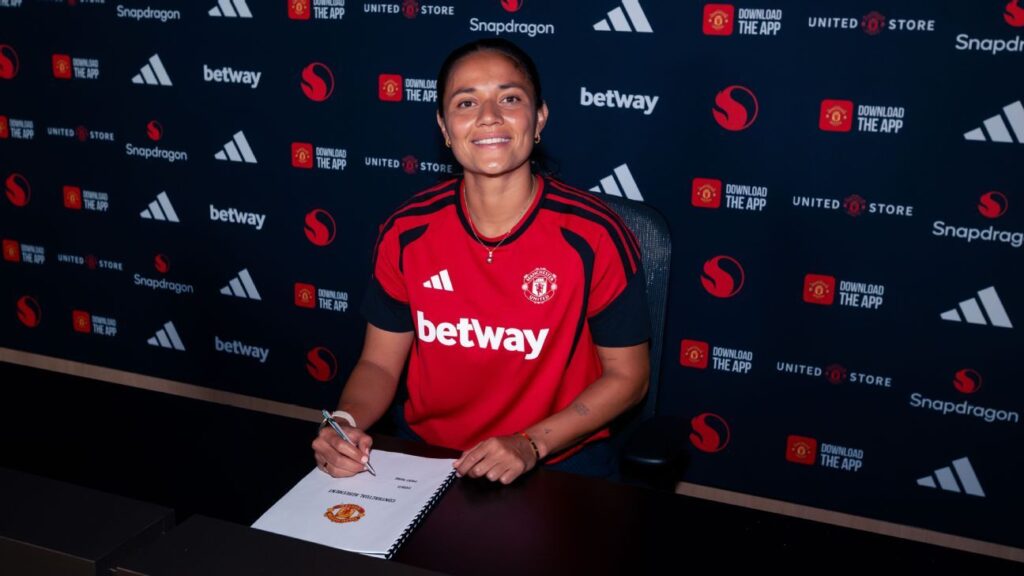
Manchester United sign Mexico’s Rebeca Bernal from Washington Spirit in 2026 – What it means for women’s football and African markets
Background: A historic move for United’s women’s side
Manchester United’s women’s team has been on a rapid ascent since its relaunch in 2018, climbing from the Championship to the Women’s Super League (WSL) and now eyeing a deeper squad overhaul. The club’s recent transfer window has been characterised by a mix of seasoned internationals and emerging talent, a strategy designed to bridge the gap with perennial league leaders like Chelsea and Arsenal.
Rebeca Bernal, a 25‑year‑old Mexican international, spent the last three seasons with the Washington Spirit in the United States’ National Women’s Soccer League (NWSL). Known for her versatility as a full‑back and her attacking instincts, Bernal earned 38 caps for Mexico and helped the Spirit reach the 2023 NWSL playoffs. Her move to Old Trafford marks the first time a Mexican woman has signed for a top‑tier English club, signalling a new era of cross‑Atlantic talent flow.
Why the signing matters beyond the headline
The transfer is more than a player swap; it reflects a broader shift in the economics of women’s football. European clubs are now tapping into the NWSL’s talent pool to raise the overall quality of their leagues, while the NWSL benefits from the financial windfall of transfer fees that were previously rare. United reportedly paid a six‑figure fee to the Spirit, a figure that, according to The Athletic, could set a new benchmark for women’s transfers.
For the Mexican national team, Bernal’s move provides a high‑profile platform that could boost the country’s visibility on the global stage. Mexico’s women’s side has struggled to break into the top‑four of the FIFA rankings, and having a player in the WSL could inspire younger athletes and attract sponsorships that have traditionally favoured men’s football.
Implications for African players and markets
While the transfer does not involve an African player directly, it underscores a pattern that could open doors for African talent. The WSL’s increasing appetite for NWSL stars demonstrates a willingness to scout outside Europe and South America, a market that includes several African women playing in the U.S. leagues. Players like Nigeria’s Asisat Oshoala and Ghana’s Priscilla Okyere have already paved the way, and Bernal’s high‑profile arrival may encourage United and other English clubs to look further afield for comparable skill sets.
Commercially, United’s partnership with African broadcasters and sponsors—such as the recent deal with Kenya’s SuperSport—means that any marquee signing will be amplified across the continent. The exposure can translate into higher viewership for WSL matches, increased merchandise sales, and a stronger case for African investors to fund women’s academies that feed into European clubs.
Reactions from fans, analysts and the diaspora
Mexican and US‑based fans took to social media to celebrate Bernal’s move, with hashtags like #BernalToManUtd trending on Twitter. In Lagos, Nigerian football forums highlighted the transfer as evidence that the WSL is becoming the premier destination for top talent, prompting discussions about whether African players should prioritize moves to England over the NWSL.
Analysts at Sky Sports suggested that United’s acquisition could be a tactical response to the growing competition for the left‑back slot, where the club has been thin. Former United women’s captain Katie Zelem noted in a post‑game interview that “adding a player of Bernal’s calibre gives us depth and a different style of play that can surprise opponents.”
What’s next for United, Bernal and the broader game
United’s manager, Marc Skinner, is expected to integrate Bernal gradually, possibly rotating her with current left‑back Ella Toone in early league fixtures. The club’s calendar includes a UEFA Women’s Champions League group stage, where experience against North‑American opponents could prove valuable.
For Bernal, the challenge will be adapting to the physicality and tempo of the WSL, but her prior experience in the high‑pressure NWSL should ease the transition. If she succeeds, she could become a template for future Mexican and African players eyeing Europe, reinforcing the idea that the women’s game is truly global.
Long‑term, the transfer could accelerate discussions within FIFA and continental confederations about standardising transfer windows and compensation for women’s leagues, a topic that has gained traction after several high‑profile deals this season.
Quick Answers
Q: How much did Manchester United pay for Rebeca Bernal?
A: United reportedly paid a six‑figure fee, though the exact amount has not been disclosed publicly.
Q: When does Bernal join Manchester United?
A: She is set to join the squad in early July 2026, ahead of pre‑season training.
Q: Could this transfer help African women footballers move to Europe?
A: Yes, the high‑profile nature of the deal highlights the WSL’s growing interest in talent from outside Europe, potentially encouraging clubs to scout African players in the NWSL and other leagues.
Quick Answers
How much did Manchester United pay for Rebeca Bernal?
United reportedly paid a six‑figure fee, though the exact amount has not been disclosed publicly.
When will Rebeca Bernal start playing for Manchester United?
She is expected to join the squad in early July 2026, ahead of the pre‑season.
What impact could Bernal’s signing have on African women footballers?
The deal showcases the WSL’s appetite for talent beyond Europe, potentially opening pathways for African players in the NWSL and other leagues to move to top‑tier European clubs.
Source: www.espn.com




💬 Comments 0