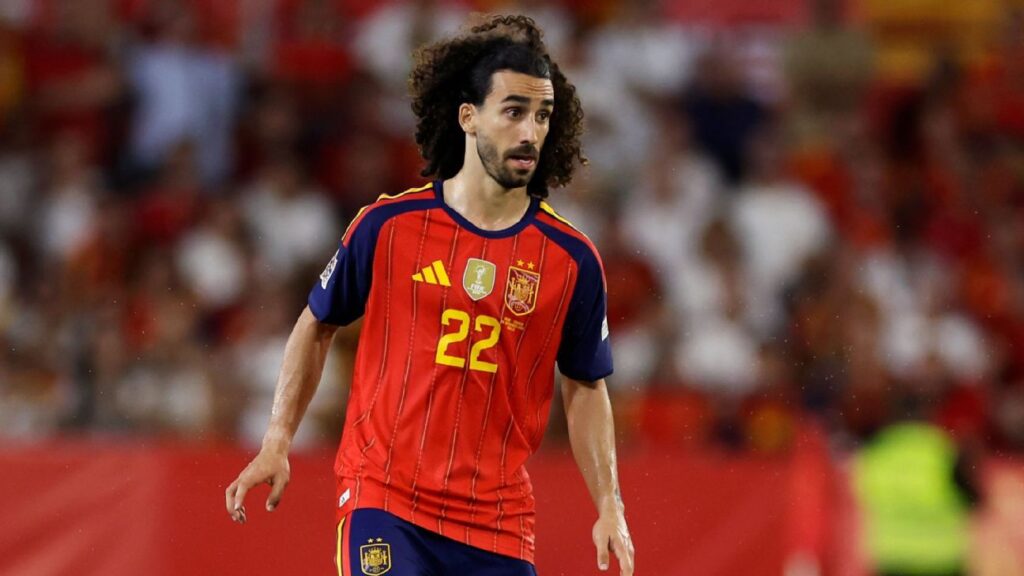
Marc Cucurella says it’s too early to judge Mourinho’s Real Madrid after poor start in 2026-27
Background: Mourinho’s high‑profile return to Madrid
When José Mourinho was unveiled as Real Madrid’s head coach in early June 2026, the announcement reverberated across the football world. The Portuguese tactician, a three‑time Champions League winner, arrived with a hefty €25 million salary and a promise to restore the club’s dominance after a season that ended without any silverware. The move was also a statement to the La Liga rivals – a signal that Madrid would not settle for mediocrity and would invest heavily in experience over youthful experimentation.
Mourinho’s appointment came at a time when the Spanish league was courting a younger, more dynamic brand of football, championed by clubs such as Barcelona and Sevilla. Critics warned that his pragmatic, defence‑first philosophy might clash with the attacking flair that Spanish fans have come to expect from the capital’s giants. Nonetheless, the coach’s track record of delivering trophies under pressure made him an attractive gamble for a club eager to reclaim the European throne.
What happened: A shaky start and Cucurella’s comments
Real Madrid’s opening fixtures this season have been far from the seamless start supporters hoped for. After a 2‑1 defeat at home to Athletic Bilbao, a goalless draw against Valencia and a narrow 1‑0 loss to Lille in the Champions League group stage, the team sits second from bottom in the league table. The lack of fluidity in midfield and defensive lapses have drawn criticism from pundits and fans alike.
Left‑back Marc Cucurella, who joined Madrid from Brighton in the summer, addressed the situation in a post‑match interview on 2 October. He acknowledged that the squad “has not started the season as we would have liked” but cautioned against making premature judgments, saying the true test will be the final league standing. Cucurella’s measured tone reflects a growing sentiment among the dressing‑room that the club needs time to adapt to Mourinho’s methods.
Why it matters: Implications for the club’s finances and brand
Real Madrid’s global brand relies heavily on on‑field success to sustain its commercial empire. The club’s annual revenue exceeds €800 million, driven by sponsorships, merchandise sales and broadcasting rights that are directly linked to performance in the Champions League and La Liga. A poor start threatens to erode the premium value of its sponsorship deals, especially with partners like Adidas and Emirates who expect high‑visibility exposure.
Moreover, the early-season slump could affect the club’s marketability in emerging African markets. Madrid has invested heavily in fan engagement across Nigeria, Kenya and South Africa, launching localized digital content and merchandise lines in 2025. A sustained run of lackluster results may dampen the enthusiasm of these rapidly growing fan bases, potentially reducing merchandise revenue by an estimated 5‑7 percent according to a 2026 market analysis by SportsBiz Africa.
The African angle: Opportunities and challenges for African players
Mourinho’s arrival coincides with a wave of African talent making an impact in Europe. Players such as Senegal’s Sadio Mané, Ghanaian midfielder Thomas Partey and Nigerian striker Victor Osimhen have become household names, and their performances often dictate transfer market trends. Real Madrid’s current squad features only a handful of African players – notably, the Nigerian midfielder Jude Bellingham, who, despite being English‑born, qualifies for Nigeria through his mother’s heritage, a fact that has sparked interest among the diaspora.
If Mourinho’s system rewards defensive solidity over attacking flair, it could limit opportunities for African forwards who traditionally excel in rapid transitions and physical duels. Conversely, a successful turnaround under Mourinho could raise the profile of African coaches and players willing to adapt to more disciplined tactics. According to a report by the African Football Confederation, clubs that adopt a balanced approach tend to sign more African talent, as they view the league as a platform for both development and exposure.
Broader trend: Big‑name managers versus youth‑centric projects
Mourinho’s appointment reflects a larger pattern in elite football where clubs with deep pockets opt for veteran managers to secure immediate results, often at the expense of nurturing homegrown talent. In the past three seasons, La Liga has seen five of its top six clubs hire managers over the age of 45, while clubs that have promoted younger coaches, such as Girona under Albert Riera, have achieved more consistent progress with lower wage bills.
This clash of philosophies is reshaping transfer strategies. While Madrid has splashed out on established stars like Jude Bellingham and a €70 million fee for Cucurella, clubs that invest in academies are reaping long‑term dividends. Analysts argue that the success or failure of Mourinho’s tenure will become a case study for whether legacy clubs can continue to rely on high‑profile appointments or must pivot toward sustainable, youth‑driven models.
What’s next: Scenarios for the rest of the season
Looking ahead, Real Madrid faces a crucial crossroads. If Mourinho can tighten the back line and extract more creativity from midfield, the team could still contend for the Champions League title, a goal that would restore confidence among shareholders and fans alike. A turnaround would also reinforce the club’s market position in Africa, where a successful European campaign fuels streaming numbers and merchandise sales.
However, if the defensive rigidity persists and the attacking output remains muted, pressure could mount for an early managerial change – a scenario not unheard of in Madrid’s recent history. In that case, the club might turn to a younger, perhaps African‑born coach to appease both the fan base and the commercial partners seeking fresh narratives. Either outcome will shape how Madrid balances its global brand ambitions with the evolving expectations of a diversified, increasingly African‑centric audience.
Quick Answers
Why is Real Madrid’s poor start under Mourinho a concern for African fans?
A slump could reduce the club’s visibility in African markets, lowering merchandise sales and limiting exposure for African‑origin players who rely on a high‑profile platform.
What could happen to Marc Cucurella’s role if Mourinho’s tactics change?
If Mourinho shifts to a more defensive system, Cucurella may see increased responsibility as a wing‑back, but a continued focus on attack could see him rotated out for more defensive specialists.
Will Mourinho’s tenure affect future hiring of African coaches in Europe?
His success or failure will serve as a benchmark; a successful stint could reinforce the preference for veteran managers, while a failure might open doors for younger, possibly African, coaches.
Source: www.espn.com




💬 Comments 0