Marseille fans protest US owner Frank McCourt’s Ligue 2 threat, African diaspora feels the impact
A turbulent ownership history and a passionate fanbase
Olympique de Marseille, France’s most storied club, has long been a symbol of the city’s multicultural identity. From the early 1990s onward, its stands have echoed with chants in French, Arabic and Berber, reflecting the sizable North‑African community that calls the port city home.
In 2016 the club was sold to a consortium led by American businessman Frank McCourt, a former owner of the Los Angeles Dodgers. McCourt promised fresh investment, but his tenure has been marked by mounting debt, delayed wage payments and rumors of a possible relegation to Ligue 2 if the financial situation does not improve.
Fans have grown accustomed to voicing dissent, but the combination of a foreign owner, perceived mismanagement and the club’s historic ties to African players has turned the anger into a cultural flashpoint.
The protest on the pitch: banners, chants and a PSG defeat
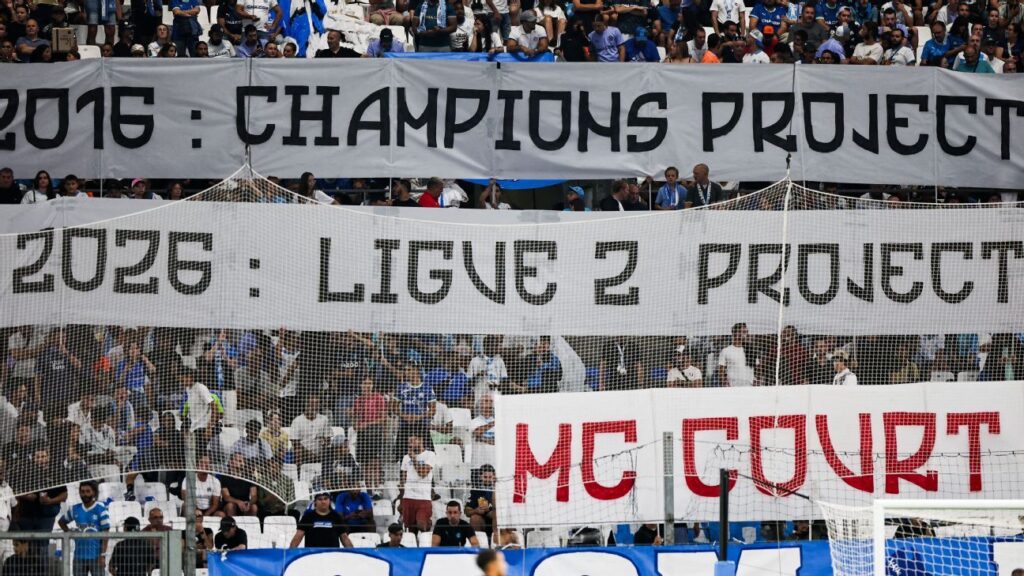
On Sunday, Marseille hosted Paris Saint-Germain in a Ligue 1 clash that ended in a 3‑0 loss. Before kickoff, supporters unfurled large banners reading “Ligue 2 project” and “McCourt, go home,” while some groups sang altered versions of the club anthem that called out the American owner by name.
During the match, a coordinated chant of “Free Marseille” rose from the stands every time PSG scored, turning the stadium into a stage for political theatre as well as sport. The protest continued after the final whistle, with fans gathering in the streets of the Vieux‑Port district to demand transparency from the board.
The visual spectacle was captured by international media, but the underlying message resonated most strongly with the city’s diaspora, many of whom see the club’s fortunes as intertwined with their own sense of belonging in France.
Why the Ligue 2 scare matters beyond the league table
Relegation to Ligue 2 would slash television revenue by roughly 40 %, according to figures released by the Ligue de Football Professionnel. For a club already wrestling with a €200 million debt load, the financial hit could trigger a cascade of player sales, staff layoffs and a reduced budget for youth development.
Marseille’s academy has historically been a pipeline for African talent – players such as Samir Nasri, Mamadou Sakho and more recently, the Algerian star Yacine Adli have emerged from its ranks. A drop to the second tier could make the club less attractive to emerging African prospects seeking top‑flight exposure.
Furthermore, the club’s commercial partnerships with North‑African brands, from telecoms to fashion labels, rely heavily on the prestige of Ligue 1 participation. A demotion would jeopardise those deals, potentially reducing the flow of sponsorship money that also supports community outreach programs in Marseille’s immigrant neighborhoods.
Foreign ownership, African talent and the wider European trend
McCourt’s situation is not isolated. Across Europe, American and Gulf investors have taken stakes in historic clubs – from Manchester United’s Red Football Group to Newcastle United’s Saudi consortium. While such owners often bring capital, they also bring a business model that can clash with fan culture and local identity.
For African players, the rise of foreign owners can be a double‑edged sword. On the one hand, wealthy backers may fund scouting networks in West and North Africa, creating more pathways to Europe. On the other, profit‑first strategies can lead to the rapid sale of home‑grown talent to balance books, disrupting the development pipelines that African academies depend on.
Marseille’s predicament illustrates this tension. The club’s historical role as a gateway for African footballers is at risk if financial instability forces it to become a “selling club” rather than a nurturing one. This could push aspiring players to look elsewhere, perhaps to clubs in Belgium or the Netherlands that have steadier ownership structures.
Voices from the community: players, officials and diaspora groups
Team captain Sofiane Boufal, himself of Moroccan descent, addressed the media after the PSG defeat, saying that the fans’ passion is “the heart of Marseille” and urging the board to listen to “the people who built this club.” His comments were echoed by the club’s sporting director, who warned that continued unrest could affect player morale and performance.
Local diaspora organisations, such as the Association des Marocains de Marseille, released a joint statement calling for a transparent audit of the club’s finances. They argued that the club’s success is a source of pride for millions of North‑African families in France and abroad, and that mismanagement threatens that cultural bridge.
Even French football authorities have taken note. A Ligue 1 spokesperson told reporters that the federation will monitor the club’s financial health closely, but any intervention would require a formal request from the club’s owners – a move McCourt has so far resisted.
What could happen next? Legal, financial and fan‑driven scenarios
If Marseille fails to meet the Ligue 1 financial thresholds, the DNCG (the league’s financial watchdog) could impose sanctions ranging from transfer bans to forced relegation. In that case, the club might be compelled to sell assets, including its share of the Stade Vélodrome, to satisfy creditors.
Supporters have already organized a “Fans’ Trust” initiative, modeled after similar movements at clubs like FC Barcelona and AFC Wimbledon. The trust aims to raise a minority stake in the club, giving local fans a formal voice in governance. While fundraising would be a long‑term project, the idea has gained traction on social media platforms frequented by the African diaspora.
In the short term, the most likely outcome is a renegotiation of the club’s debt with French banks, possibly involving a fresh injection of capital from a new investor. Whether that investor will be another foreign entity or a consortium of French and African businessmen remains to be seen, but the pressure from both the fanbase and the diaspora community is intensifying.
Quick Answers
What are the main reasons Marseille fans are protesting against Frank McCourt?
Fans are angry about mounting debt, delayed wages and the threat of relegation to Ligue 2 under McCourt’s ownership.
How could a possible relegation affect African players at Marseille?
Dropping to Ligue 2 would reduce the club’s visibility and revenue, making it less attractive for African talent seeking top‑flight exposure.
Is there a plan for fans to gain more control over the club?
Supporters are forming a “Fans’ Trust” to raise a minority stake and give local fans, including the North‑African diaspora, a formal say in club decisions.
Source: www.espn.com




💬 Comments 0