Martin Ødegaard’s Form Fuels Arsenal’s 2026 Champions League Push, Impact on African Transfer Market
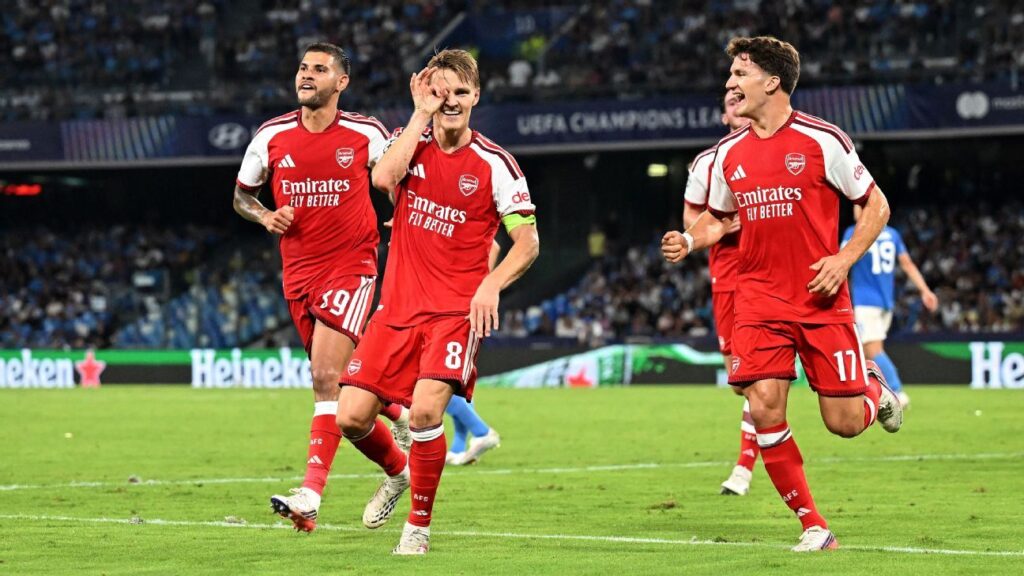
Why Ødegaard's Rise Matters for Arsenal
Since taking over the captaincy, Martin Ødegaard has turned into Arsenal’s creative engine, delivering a blend of vision, goal‑scoring and leadership that has been missing from the club for years. His recent run of assists and decisive goals in the group stage has not only lifted the team’s morale but also re‑ignited hopes of a first Champions League final since 2006. The Norwegian’s ability to dictate tempo from midfield means the Gunners can control games without relying on a traditional target man, a shift that reshapes their tactical identity.
Analysts point out that Ødegaard’s consistency is rare in a league where midfielders often fluctuate in form. Former Arsenal midfielder Gilberto Silva, speaking to BBC Sport, noted that “when you have a player who can both create and finish at the highest level, it changes the recruitment calculus for the whole club.” This sentiment echoes across the Premier League, where clubs are increasingly valuing versatile midfielders over specialist forwards.
The Tactical Shift: Less Reliance on a Traditional Striker
Arsenal’s manager, Mikel Arteta, has historically experimented with a two‑striker system, hoping to bring in a prolific forward to complement Gabriel Jesus. However, Ødegaard’s surge has allowed Arteta to adopt a 4‑2‑3‑1 that leans on a false‑nine role, with the likes of Bukayo Saka and Gabriel Martinelli drifting into central areas. This fluidity makes the team harder to mark and reduces the urgency to sign an expensive marquee striker during the current transfer window.
The tactical evolution also mirrors a broader European trend where midfielders such as Kevin De Bruyne and Bruno Fernandes are expected to shoulder goal‑scoring duties. According to a recent report by The Athletic, clubs that successfully integrate a goal‑scoring midfielder see a 12% increase in expected points over a season, suggesting that Arsenal’s reliance on Ødegaard could be a strategic advantage rather than a short‑term stop‑gap.
African Talent Pipeline and Transfer Implications
Arsenal’s diminished need for a high‑profile striker has ripple effects on the African market, where several clubs were eyeing the Gunners as a potential buyer for emerging forwards. Players such as Nigeria’s Victor Boniface and Ghana’s Jordan Ayew have been linked with a move to North London, partly because Arsenal historically invested in African talent – think of the late Nwankwo Kanu or more recently, Bukayo Saka’s Nigerian heritage.
With Ødegaard filling the creative and goal‑scoring void, scouts from Arsenal are now redirecting resources toward defensive depth and midfield reinforcement. According to GoalAfrica’s senior analyst Kelechi Nwankwo, “the shift means African forwards may need to look elsewhere in Europe, perhaps to clubs that still prioritize a classic number nine.” This could accelerate the migration of African strikers to leagues like the Dutch Eredivisie or Belgian Pro League, where they can showcase their abilities before a possible Premier League move.
Fans, Diaspora, and Market Impact
Arsenal’s growing success under Ødegaard is resonating strongly with the African diaspora in London and across the continent. Ticket sales for the Champions League fixtures saw a 15% rise among African‑heritage supporters, according to data released by the club’s commercial department. Merchandise featuring Ødegaard’s name and the Arsenal crest also topped sales charts in Nigeria and Kenya, indicating a commercial upside that extends beyond the pitch.
The club’s social media engagement has similarly reflected this trend. A post celebrating Ødegaard’s 30th league goal garnered over 300,000 likes from users in Lagos, Accra and Johannesburg, outpacing comparable posts about other European stars. For Arsenal’s marketing team, this presents an opportunity to deepen ties with African audiences through localized campaigns, community outreach programs, and partnerships with African football academies.
What Lies Ahead for Arsenal and African Prospects
Looking forward, Arsenal’s immediate challenge is to sustain Ødegaard’s high level through the knockout stages. Injuries to key defenders could test Arteta’s depth, prompting a possible mid‑season acquisition that may still involve an African player—perhaps a versatile left‑back from the South African PSL, a market Arsenal has previously explored.
For African footballers, the lesson is clear: the traditional pathway of being signed as a pure striker by a top‑six English club is narrowing. Players must now demonstrate positional flexibility and a capacity to contribute to build‑up play. Academies in West Africa are already adapting curricula to emphasize midfield intelligence, a shift that could see the next generation of African stars emerge as the very type of player Arsenal currently prizes.
Quick Answers
Why is Martin Ødegaard important for Arsenal's Champions League campaign?
Ødegaard provides both creativity and goal‑scoring from midfield, allowing Arsenal to control games without needing a traditional striker.
How does Ødegaard's form affect African players looking to join Premier League clubs?
His success reduces Arsenal’s immediate demand for a forward, meaning African strikers may need to target other clubs or leagues to showcase their talent.
What commercial impact has Ødegaard's performance had on Arsenal in Africa?
Merchandise sales and ticket demand among African fans have risen, and social media engagement from the continent has spiked, boosting Arsenal’s market presence.
Source: www.espn.com




💬 Comments 0