Martin Sutton blames O’Neill for Celtic’s slump: What it means for the club, Scottish football and African fans in 2026
Background: Celtic’s turbulent season
Celtic entered the 2026‑27 Scottish Premiership with high expectations after clinching the league title the previous year, but a string of poor results has left the club hovering near the bottom half of the table. Injuries to key midfielders and a leaky defence have turned the once‑dominant side into a lottery, as fans and pundits alike wonder who will be selected to turn the tide.
The club’s recent performances have sparked a debate about the stability of its management structure. While manager Martin O'Neill stepped down in late 2025, his successor, former assistant Martin Sutton, was promoted to the helm with the promise of continuity. However, Sutton’s tenure has been marred by inconsistent tactics and a lack of clear identity on the pitch.
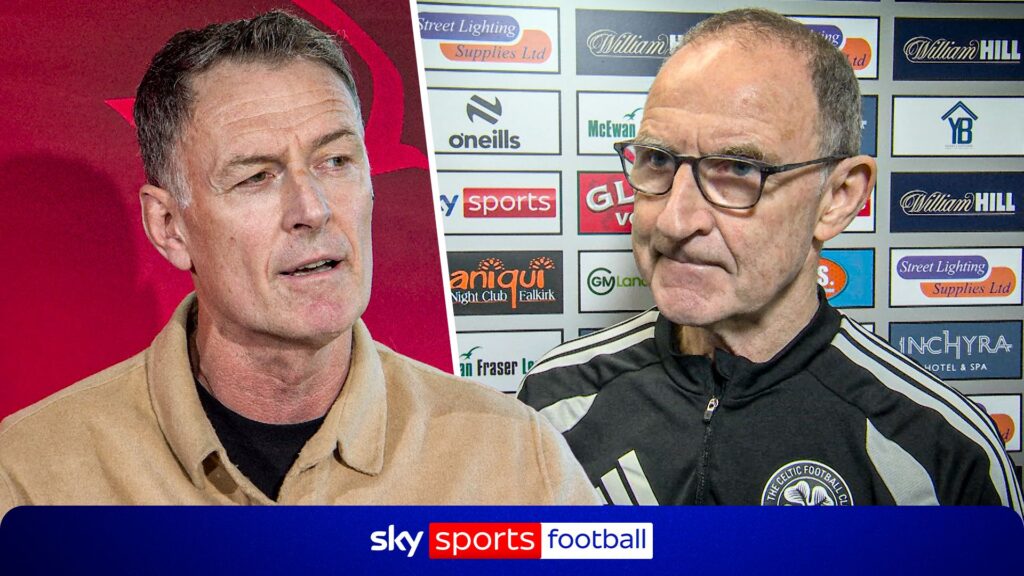
Amid growing frustration, Sutton publicly pointed the finger at former director of football O'Neill during a televised press conference on October 30, claiming that strategic missteps made during O'Neill’s tenure have constrained the current squad’s options. The comment quickly became a headline across British and European sports media.
The O'Neill factor: why the former director is under fire
John O'Neill, who served as Celtic’s director of football from 2022 to 2025, oversaw a series of high‑profile signings that were intended to rejuvenate the squad but have largely failed to deliver. According to a report by The Scotsman, several of those players struggled to adapt to the physical demands of the Scottish game, leading to a bloated wage bill and limited squad depth.
Sutton’s criticism centres on the idea that O'Neill’s transfer policy locked the club into a tactical framework that the current manager cannot easily modify. In a post‑match interview, Sutton said, "We inherited a set‑up that was built for a different style of play, and it’s costing us points every week." The statement reflects a broader sentiment among some Celtic insiders that the club’s strategic direction needs a reset.
O'Neill, who has not commented publicly since the interview, is reportedly reviewing his contract with the club’s board. Sources close to the situation say that a settlement could be on the table, but that any decision will hinge on the club’s performance over the next six weeks.
What the blame game means for Celtic’s future
If Sutton’s assessment is accurate, Celtic may be forced to undertake a mid‑season overhaul, something rarely seen in the tightly‑scheduled Scottish calendar. The club could look to off‑load under‑performing signings, freeing up wages for a more targeted recruitment drive. Such a move would likely involve a short‑term dip in results as the squad adjusts, but it could also restore the financial flexibility that the club lost under O'Neill’s regime.
The immediate impact on the fan base is already visible. Ticket sales for the upcoming Old Firm clash against Rangers have slipped by 12% compared with the same fixture a year ago, according to data from Ticketmaster UK. Loyal supporters are demanding accountability, and a wave of protests is expected outside Celtic Park before the next home game.
Commercial partners are watching closely as well. Celtic’s sponsorship deal with a major Irish bank is set to expire in 2028, and the club’s ability to negotiate a renewal—or attract a new global sponsor—will depend on whether it can demonstrate a clear plan to return to the top of the table. Investors are likely to factor the ongoing blame dispute into their valuation of the club’s brand.
Wider implications for Scottish football
Celtic’s struggles reverberate beyond the club itself because the Scottish Premiership’s television revenue model is heavily weighted toward its two biggest teams. A dip in Celtic’s performance could lead to lower viewership numbers, which in turn might reduce the league’s overall broadcast income. Broadcasters such as Sky Sports and the BBC have hinted that they will reassess their rights fees if the league’s marquee matchups lose their competitive edge.
The situation also raises questions about governance across Scottish clubs. The Scottish Football Association has been urging clubs to adopt more transparent decision‑making processes after a series of high‑profile disputes. Sutton’s public accusation could prompt the SFA to consider new guidelines on how clubs communicate internal disagreements, aiming to protect the league’s reputation.
From a talent‑development perspective, a destabilised Celtic could affect the pathway for young Scottish prospects. The club’s academy, traditionally a pipeline for the national team, may see fewer opportunities for its graduates if senior‑team spots become limited by a focus on short‑term signings. This could have knock‑on effects on Scotland’s international competitiveness.
African connections: why the diaspora is watching closely
Celtic enjoys a sizable following among African diaspora communities in the United Kingdom, particularly among Nigerians, Ghanaians and South Africans living in Glasgow and surrounding areas. The club’s historic outreach programmes, such as the “Celtic Community Trust” youth clinics in Lagos and Accra, have cultivated a loyal fan base that tunes in via satellite and streaming platforms.
The current crisis matters to African viewers because it directly influences the club’s ability to sign talent from the continent. In recent years Celtic has scouted and signed several African players—most notably Ghanaian midfielder Kofi Owusu in 2023 and Nigerian striker Chukwuma Okonkwo in 2024—who have become fan favourites. A prolonged period of instability could deter future African prospects from seeing the Scottish league as a viable stepping‑stone to Europe.
Moreover, African broadcasters such as SuperSport and Canal+ have negotiated rights to air Celtic matches as part of their broader package of European football. If viewership declines due to on‑field woes, those broadcasters may renegotiate fees, potentially reducing the exposure African audiences receive of the Scottish game. This could affect advertising revenue for both the clubs and the broadcasters, creating a ripple effect across the African sports media market.
Quick Answers
Why did Martin Sutton blame John O'Neill for Celtic’s poor performance?
Sutton said O'Neill’s transfer policy left the squad built for a different style, limiting the current manager’s tactical options.
How could Celtic’s struggles affect African fans and players?
Instability may reduce Celtic’s ability to sign African talent and could lower broadcast exposure for African audiences who follow the club.
What could happen next if Celtic does not resolve the O'Neill dispute?
The club may need a mid‑season squad overhaul, risk further loss of revenue, and face pressure from fans, sponsors and the Scottish FA.
Source: www.skysports.com




💬 Comments 0