Max Dowman to earn Arsenal minutes in 2026 Carabao Cup tie vs Ipswich after Arteta warning
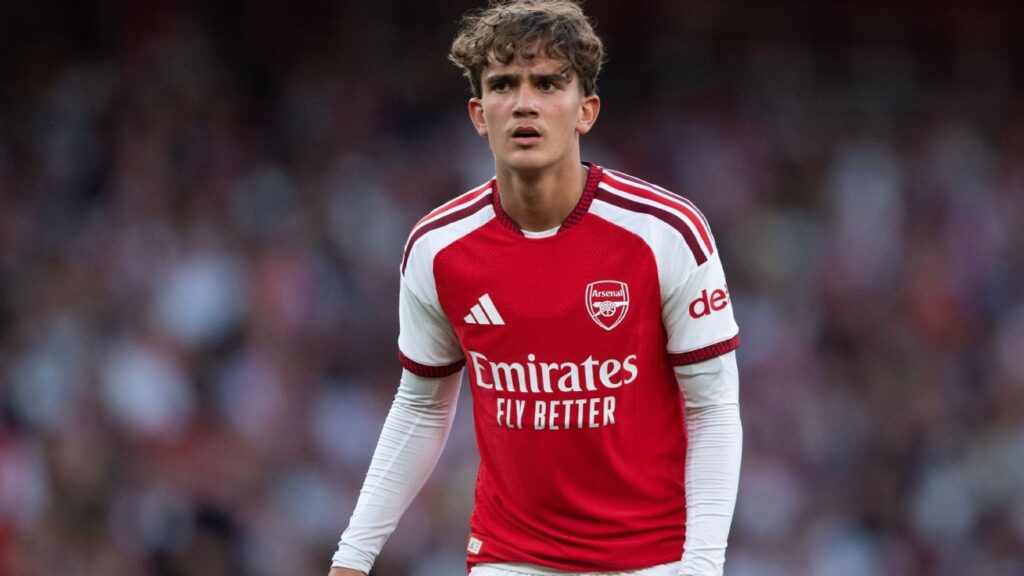
Arsenal’s youth blueprint and the emergence of Max Dowman
Mikel Arteta’s tenure at the Emirates has been marked by a clear commitment to nurturing home‑grown talent. Since taking over in 2019, the Gunners have integrated academy graduates like Bukayo Saka and Emile Smith Rowe into the first‑team core, turning the club’s academy into a pipeline for both sporting success and financial sustainability. This philosophy has deepened under the recent partnership with the City of London Academy, which aims to broaden scouting reach across the UK and beyond.
Among the latest prospects is 16‑year‑old Max Dowman, a versatile midfielder who joined Arsenal’s Hale End academy two years ago. Dowman’s technical proficiency, vision, and composure under pressure have earned him regular appearances for the U‑18 side, where he has already contributed five goals and eight assists this season. Coaches describe him as a “modern playmaker” capable of dictating tempo in tight spaces, a rare trait for someone his age.
The buzz around Dowman is not limited to the club’s internal circles. Several European youth scouting reports have highlighted him as one of the top ten English talents born in 2009, noting his potential to become a senior‑team regular within the next two years. While the hype is still in its infancy, Arteta’s public acknowledgment signals that the youngster is now on the radar of the senior coaching staff.
Why the Carabao Cup fourth‑round matters for squad rotation
Arsenal’s Carabao Cup clash with Ipswich Town on Tuesday is more than a routine fixture; it is a strategic platform for testing depth ahead of a congested Premier League schedule. With a Champions League quarter‑final looming in early March and a domestic title race that remains open, Arteta has repeatedly stressed the need to preserve the fitness of his regular starters while still fielding a competitive side.
Historically, English cup competitions have offered managers a low‑stakes environment to give minutes to emerging players. In the 2020‑21 season, for example, the Gunners fielded a youthful side against AFC Bournemouth, resulting in a 2‑1 victory that boosted the confidence of several academy graduates. This season, the stakes are higher, as the club seeks to secure silverware and maintain momentum in all three competitions.
For a 16‑year‑old like Dowman, the tie presents a rare chance to train alongside senior internationals, absorb the tempo of a senior match, and demonstrate readiness to compete at a higher level. The Carabao Cup, therefore, acts as a litmus test for Arteta’s broader squad planning, and any performance by a youngster will be weighed against the immediate demands of the season.
Artista’s ‘earn‑your‑minutes’ mantra and its wider implications
When Arteta warned that Dowman must earn his minutes, he was echoing a philosophy that has become a hallmark of modern elite coaching: meritocracy over sentiment. The manager’s public remarks emphasized that no player, regardless of age or reputation, receives a guaranteed slot without demonstrating consistency in training, tactical understanding, and mental resilience.
This stance has practical consequences for the squad hierarchy. It reinforces a culture where senior players cannot become complacent, knowing that a hungry academy graduate could be called upon at any moment. Moreover, it aligns with Arteta’s broader aim of fostering a competitive environment that mirrors the intensity of the Premier League, where only those who prove themselves retain their places.
Beyond Arsenal’s internal dynamics, the message resonates across the English game, where clubs are increasingly pressured to develop talent domestically rather than rely on costly imports. By publicly insisting that Dowman must earn his minutes, Arteta contributes to a narrative that could encourage other clubs to give genuine opportunities to younger players, potentially reshaping transfer market dynamics in the coming years.
African and diaspora connections: what Arsenal’s youth policy means for the continent
While Max Dowman is a British‑born talent, Arsenal’s renewed focus on academy development carries significant implications for African footballers and the diaspora. The club’s scouting network now extends into West Africa, with recent partnerships established in Ghana, Nigeria, and Senegal to identify promising prospects at a younger age.
Arsenal’s success in promoting home‑grown players creates a blueprint that African academies can emulate. If European clubs continue to prioritize internal pathways, African youngsters may find clearer routes to senior football without the need for early, high‑profile transfers that often stall development. This could lead to a more sustainable talent pipeline, where players graduate from academy to first team on merit, mirroring Dowman’s journey.
Furthermore, the growing number of African‑born players in the Premier League—such as Bukayo Saka’s Nigerian heritage and Gabriel Martinelli’s Brazilian‑Portuguese background—has amplified interest among diaspora communities. Arteta’s stance that minutes must be earned, regardless of background, offers reassurance that talent, not nationality, remains the primary criterion. This may encourage families in the African diaspora to invest in local academies, knowing that European clubs value structured development over raw scouting.
Looking ahead: Dowman’s pathway and Arsenal’s season outlook
If Dowman impresses in training and potentially sees a cameo against Ipswich, the next step will be integration into Arsenal’s U‑23 side, where he can face seasoned professionals in the Premier League 2 competition. Consistent performances there could earn him a place on the bench for league fixtures, especially when the squad is rotated for European midweek games.
From a broader perspective, Arsenal’s ability to blend youth with experience will be a decisive factor in their quest for a domestic double. The Carabao Cup offers a realistic chance for silverware, and a successful rotation policy could preserve the stamina of key players for the Champions League run. Should Dowman or other academy graduates make meaningful contributions, the club’s model of internal talent cultivation could be vindicated, influencing future investment decisions.
Ultimately, Arteta’s warning serves as both a challenge and an invitation. For Max Dowman, it is a call to translate potential into performance; for Arsenal, it is an affirmation that the club’s future hinges on nurturing the next generation. How the young midfielder responds will be watched closely by fans, scouts, and African football stakeholders alike, making this seemingly modest Cup tie a micro‑cosm of larger trends shaping modern football.
Quick Answers
When does Arsenal play Ipswich in the Carabao Cup?
Arsenal face Ipswich Town in the Carabao Cup fourth‑round on Tuesday, 22 September 2026.
How old is Max Dowman?
Max Dowman is 16 years old, having been born in 2009.
What does Arteta mean by ‘earning minutes’ for a youngster?
Arteta means that a player must prove readiness through training, tactical awareness, and consistency before being trusted with game time.
Source: www.espn.com




💬 Comments 0