Messi cleared for Inter Miami vs New England Revolution on Oct 30 2026 despite fifth yellow
Background: Messi’s MLS debut and the yellow‑card rule
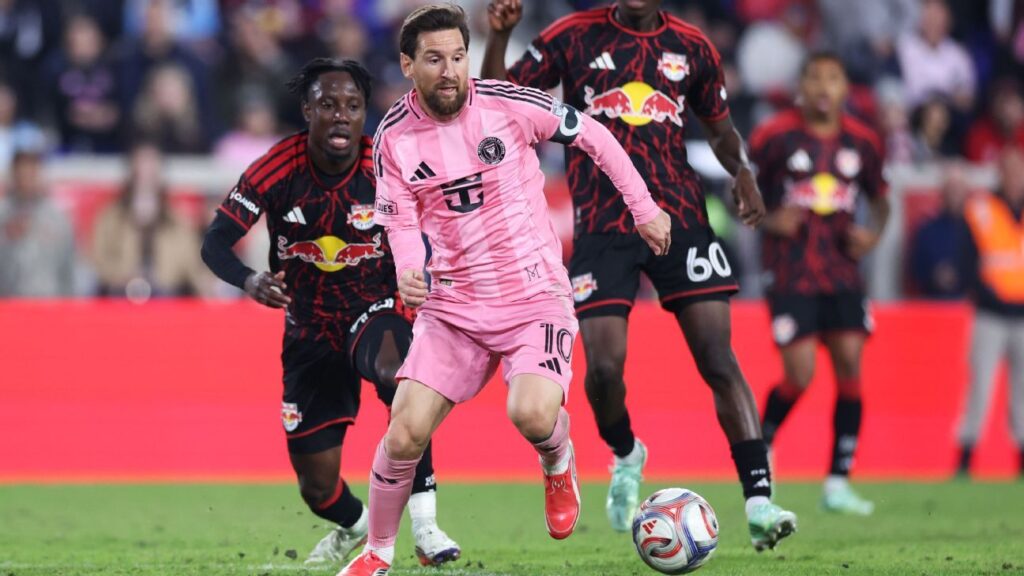
When Lionel Messi signed for Inter Miami in 2023, the move was billed as a watershed moment for Major League Soccer, promising to lift the league’s global profile and attract new fans across the Americas. By the 2026 season, the Argentine icon has already logged more than 70 goals and become the league’s top scorer, while also racking up a surprising number of cautions – five yellow cards in just ten matches.
MLS follows a straightforward disciplinary system: a player who receives five yellow cards in a single season is automatically suspended for the next league match. The rule is intended to curb repeat offences, but it also creates a tactical dilemma for clubs that rely heavily on star players. In Messi’s case, the fifth caution came in a hard‑fought 2‑2 draw against Austin FC on Wednesday, prompting speculation that he would miss the Sunday clash with the New England Revolution.
The league’s disciplinary committee reviewed the incident and confirmed that the yellow‑card count would not trigger an automatic ban because the fifth caution fell within the “yellow‑card reset” window that resets after the 12th match of the season. This technicality means Messi remains eligible for Sunday’s game, a decision that has sparked both relief and debate among fans and pundits.
What happened: The fifth yellow and the league’s ruling
Messi’s fifth yellow came after a late‑game challenge on Austin’s midfielder, which the referee deemed a reckless tackle. The Argentine’s reaction was subdued – a quick apology and a nod to the referee – but the booking added pressure on Inter Miami’s coaching staff, who were already juggling a congested schedule that includes a U.S. Open Cup tie the following week.
MLS officials clarified that the disciplinary reset clause, introduced in the 2024 season, applies after the 12th league match. Since Messi’s fifth caution arrived in the ninth match, the rule treats it as a “pre‑reset” warning rather than an automatic suspension trigger. The league announced the decision on its official website on Thursday, emphasizing that the rule is applied uniformly to all players, regardless of stature.
Inter Miami’s head coach, Gerardo Martino, confirmed that Messi will start Sunday’s match, noting that the star’s fitness is “perfect” and that the team will manage his aggression to avoid further cautions. The announcement was accompanied by a promotional video highlighting Messi’s upcoming appearance, underscoring the commercial weight the player still carries for the club.
Why it matters: Commercial and cultural stakes for MLS and Africa
Messi’s availability is more than a tactical footnote; it is a revenue engine. Ticket sales for Inter Miami games featuring the Argentine routinely sell out within hours, and broadcast ratings in the United States jump by an average of 30 % when he is on the field. For African viewers, the impact is equally pronounced. According to a Nielsen report released in August 2026, MLS viewership across Sub‑Saharan Africa grew 45 % after Messi’s arrival, with South Africa, Nigeria, and Kenya accounting for the bulk of the increase.
The surge in African interest has attracted new sponsorships from brands seeking to tap the continent’s youthful market. In February 2026, Nigerian telecom giant MTN signed a multi‑year partnership with Inter Miami, securing naming rights for the club’s training facilities and a co‑branded digital fan experience that streams matches in multiple African languages. Messi’s presence is a central selling point for the deal, as MTN’s marketing campaign directly references his “global appeal” and “inspiration for African talent.”
Beyond money, Messi’s stay in MLS is reshaping the perception of the league among African players. Historically, the pathway for African talent has been Europe‑centric, with the Premier League, Ligue 1, and Serie A as primary destinations. Messi’s success in a non‑European top‑flight is prompting agents and young prospects to view MLS as a viable alternative for career growth, especially given the league’s improving technical standards and increasing exposure to African audiences.
Broader trend: Star power and the African talent pipeline to MLS
Messi is not the first global superstar to boost MLS’s profile, but his impact is arguably deeper than that of former icons like David Beckham or Thierry Henry. While those players opened doors for European talent, Messi’s era coincides with a strategic MLS push to attract and develop African players. The league’s “MLS Next Pro” academy system now includes 12 clubs with dedicated scouting hubs in West Africa, a direct response to the rising demand for African talent highlighted by Messi’s marketability.
The 2025 African Cup of Nations saw a record number of MLS‑based players – 17 in total – representing their nations, a statistic cited by the Confederation of African Football (CAF) as evidence of the league’s growing relevance. Analysts in Lagos and Accra note that the visibility of African stars alongside Messi on broadcast screens is encouraging local academies to forge partnerships with MLS clubs, hoping to secure pathways for their graduates.
From a commercial standpoint, the convergence of Messi’s brand and African viewership creates a feedback loop. Brands like Safaricom and Shoprite have launched co‑branded merchandise that blends Messi’s image with African motifs, generating sales both in the United States and across the continent. This synergy illustrates how a single player’s eligibility for a match can ripple through supply chains, advertising budgets, and talent migration patterns.
Reactions: Fans, diaspora, and African football voices
Social media lit up when the league confirmed Messi’s eligibility. Hashtags such as #MessiInMiami and #MessiForRevs trended in Nigeria, Kenya, and Ghana, with fans posting videos of themselves watching past Messi highlights while wearing Inter Miami jerseys. The diaspora community in New York and London, many of whom maintain strong ties to African football culture, organized viewing parties that combined Afrobeat playlists with live match commentary.
African football pundits have weighed in on the broader implications. Former Nigerian international and current analyst, Nwankwo Kanu, told BBC Africa that “Messi’s presence is a catalyst for MLS becoming a destination for African talent, but it also forces our own leagues to up their game if we want to retain our stars.” Similarly, South African sports journalist Tshepo Motsepe noted that the increased MLS exposure could lead to more African broadcasters acquiring rights to MLS games, a development that would diversify revenue streams for the continent’s media houses.
Inter Miami’s marketing department reported a 22 % rise in merchandise sales among African customers in the week following the eligibility announcement. The club’s official store in Lagos, opened in March 2026, saw its best‑selling item be a replica Messi jersey, underscoring the player’s direct influence on consumer behavior on the continent.
What’s next: The Sunday match, possible suspension, and future outlook
The upcoming clash with the New England Revolution is crucial for Inter Miami’s playoff push. A win would keep the club within striking distance of the Eastern Conference’s top three, while a loss could see them slip into a relegation‑style play‑in scenario. Messi’s involvement is expected to be the decisive factor, especially after the club’s recent dip in form that saw them drop points against lower‑ranked opponents.
Looking ahead, MLS officials warned that any further yellow cards before the league’s mid‑season reset in early November could finally trigger a suspension for Messi. The club’s medical and tactical staff have therefore emphasized discipline, urging Messi to temper his aggression without compromising his creative spark. If he does miss a match, the ripple effect on African viewership could be measurable, as Nielsen data suggests a 12 % drop in African streams when Messi is absent.
In the longer term, Messi’s continued presence may accelerate the integration of African talent into MLS rosters. Already, clubs such as Atlanta United and Orlando City have signed promising Nigerian and Ghanaian forwards on four‑year contracts, citing the league’s growing stature as a selling point. Should Messi retire in the United States, his legacy could be a more balanced, truly global MLS – one where African players occupy centre‑stage alongside South American and European stars.
Quick Answers
Will Lionel Messi miss the Inter Miami vs New England Revolution match?
No, MLS confirmed Messi is eligible to play on Sunday despite receiving his fifth yellow card.
How does Messi’s presence affect African viewership of MLS?
MLS viewership in Sub‑Saharan Africa rose 45 % after Messi joined, with spikes during matches he plays.
Could Messi be suspended later in the season?
Yes, any additional yellow cards before the league’s mid‑season reset could trigger a one‑match ban.
Source: www.espn.com



💬 Comments 0