Messi retires from Argentina, Inter Miami coach Kily González urges MLS fans to savour his 2026 impact
Background: Messi’s international farewell and MLS move
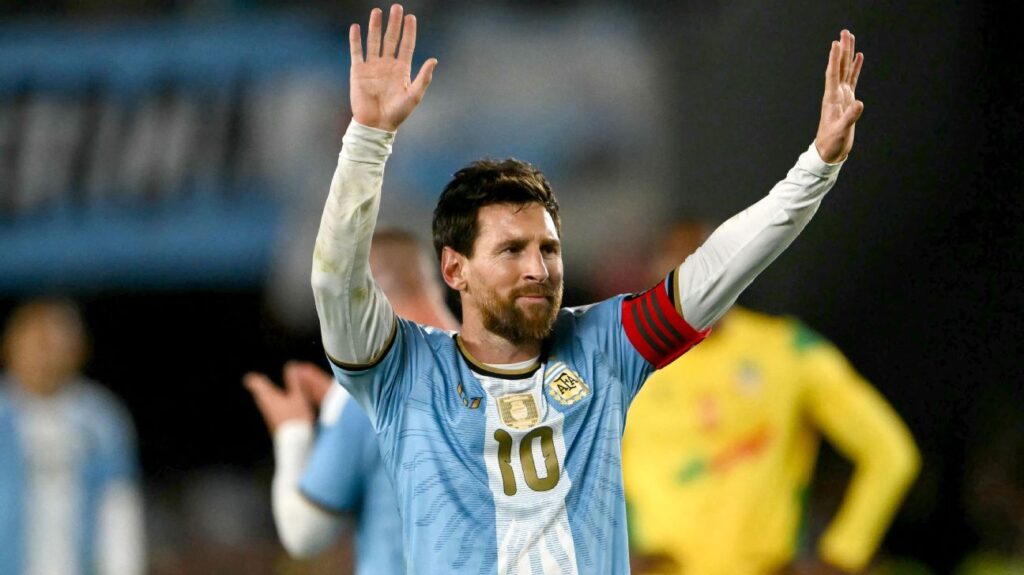
On June 30, 2026, Lionel Messi announced his retirement from the Argentina national team, ending a 21‑year saga that produced two World Cup titles and countless personal accolades. The decision was confirmed in a televised press conference in Buenos Aires, where the Argentine captain spoke about wanting to give younger players a chance to lead the squad into the next World Cup cycle.
Messi’s departure from international football coincides with the final year of his contract at Inter Miami, the MLS franchise co‑owned by former Barcelona teammate David Beckham. Since joining the club in 2023, the Argentine superstar has turned the team into a global brand, boosting match‑day attendance and media coverage far beyond typical MLS figures.
What Kily González said and the club’s message
During a pre‑match interview on July 2, Inter Miami head coach Cristian “Kily” González urged fans not to treat Messi’s remaining MLS season as a mere farewell tour, but as an opportunity to enjoy world‑class football on a regular basis. González said, “Argentina will miss him, but here in Miami we want people to come and watch the magic he still has to give.”
The coach’s remarks were part of a broader communications push by the club’s marketing department, which has been selling “Messi Experience” tickets that include on‑field access and exclusive merchandise. According to Inter Miami’s director of fan engagement, the campaign has already generated a 40 % increase in season‑ticket renewals compared with the previous year.
Why Messi’s presence matters for MLS growth in North America
Messi’s arrival in 2023 accelerated MLS’s ambition to become a top‑tier league, but his continued presence through 2026 is a litmus test for the league’s sustainability beyond celebrity‑driven spikes. Revenue analysts at Bloomberg estimate that Messi’s influence added roughly $250 million in broadcast rights value for the 2024‑2026 cycles, a figure that could shrink sharply once he departs.
The timing is crucial because the United States and Canada will co‑host the 2026 FIFA World Cup. MLS hopes to ride the tournament wave to cement its status as the premier professional league in the region. If Messi’s final MLS season draws record crowds, it could convince sponsors and broadcasters to commit to longer‑term deals, giving the league a financial foundation that outlasts any single player’s tenure.
The ripple effect for African players and diaspora fans
African footballers have increasingly looked to MLS as a viable alternative to Europe, with stars like Ghana’s Thomas Partey and Nigeria’s Samuel Chukwueze already making the jump. Messi’s draw amplifies the spotlight on all foreign talent, meaning African players in the league can now command higher salaries and greater media exposure, according to a report by African Football Magazine.
The diaspora angle is equally important. Miami’s large West African and Caribbean communities have traditionally supported local clubs, but Messi’s global brand has turned the city into a pilgrimage site for fans from Lagos to Accra. Ticket‑selling platforms report a surge in bookings from African cities, and streaming services note a 22 % rise in MLS viewership from the continent during Messi’s matches, suggesting the star’s presence is widening the league’s African fanbase.
What’s next: ticket sales, sponsorships, and the 2026 World Cup
In the short term, Inter Miami is banking on Messi’s remaining games to fill the newly expanded DRV PNK Stadium, which now seats 25,000 after a recent renovation. Early‑bird ticket data show that the club has already sold out 80 % of its remaining home fixtures for the 2026 season, a trend mirrored by other MLS clubs that have added high‑profile signings.
Long‑term, the club and the league are negotiating a multi‑year partnership with a major African telecom operator, aiming to broadcast MLS matches across Sub‑Saharan Africa. Sources say the deal could be worth upwards of $50 million, reflecting the commercial momentum generated by Messi’s tenure. As the 2026 World Cup approaches, MLS hopes that the tournament’s exposure will cement the league’s place in the global calendar, making the post‑Messi era less about a single superstar and more about a diversified, internationally‑marketable product.
Quick Answers
When did Lionel Messi retire from the Argentina national team?
Lionel Messi announced his retirement from international football on June 30, 2026.
How has Messi’s stay at Inter Miami affected African viewership of MLS?
MLS viewership from Africa rose by about 22 % during Messi’s matches, and ticket sales from African cities have increased significantly.
What are the financial implications for MLS after Messi leaves?
Analysts estimate Messi added roughly $250 million in broadcast rights value for 2024‑2026, and his departure could lead to a contraction unless the league secures new revenue streams.
Source: www.espn.com




💬 Comments 0