Mexican antitrust investigation into Liga MX after 2026 fan complaints sparks reforms
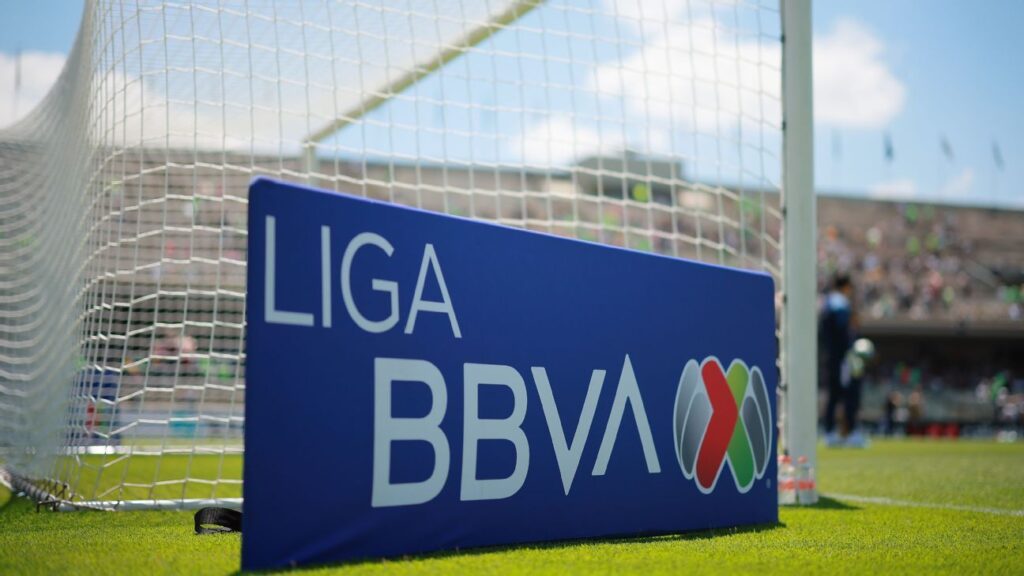
How Liga MX is organized and why it has drawn scrutiny
Mexico’s top‑flight league, Liga MX, is run by a powerful assembly of club owners who collectively negotiate broadcast contracts, sponsorship deals and commercial rights. The league’s revenue‑sharing model has long favoured the 12 biggest clubs, leaving smaller outfits to rely on modest gate receipts and limited TV exposure. Critics argue that this concentration of power mirrors a monopoly, where a handful of teams dictate terms for the entire ecosystem.
The National Antitrust Commission (CNA) has previously intervened in other sectors of the Mexican economy, but football is a relatively new frontier for competition watchdogs. Past attempts to curb the clubs’ dominance – such as the 2020 “Liga MX‑Liga de Expansión” split – were largely cosmetic, failing to address the underlying market‑control mechanisms that keep revenue streams tightly locked within an elite circle.
Fan groups, especially those representing lower‑division clubs, have repeatedly complained that the current system stifles competitive balance. They point to the fact that the same clubs dominate the championship race year after year, while the league’s financial health is measured by a handful of high‑profile matches rather than a broad, inclusive growth strategy.
What set the CNA’s probe in motion
In early September 2026, the CNA announced it would open a formal investigation after receiving a surge of complaints from supporters who alleged anti‑competitive conduct. The complaints centered on three main issues: the opaque allocation of television rights, the enforcement of a “closed‑shop” policy that blocks new clubs from entering the league without owner approval, and the practice of imposing uniform ticket pricing that disadvantages smaller venues.
According to a statement released by the commission, the complaints were filed by a coalition of fan associations from clubs such as Club Puebla, Mazatlán FC and the newly promoted Atlético San Luis. They claim that the league’s current licensing criteria effectively bar any club without deep-pocketed investors from competing, creating a de‑facto monopoly for the established owners.
The CNA’s decision to act now reflects a broader political climate that favours consumer protection and market fairness. Officials have hinted that the investigation could lead to a restructuring of how broadcast revenues are split, potentially opening the door for more equitable distribution across all 18 clubs.
Why African players and markets should pay attention
Liga MX has become an increasingly attractive destination for African talent, especially from West Africa, due to its competitive salaries and exposure to North‑American scouts. In the last three seasons, more than 30 African players have signed contracts with Mexican clubs, with Nigerians, Ghanaians and Cameroonians forming the bulk of the contingent.
If the CNA forces a reshuffle of revenue streams, clubs may need to tighten budgets, which could affect transfer spending on foreign players. Agents warn that a reduction in broadcast income could lower the ceiling for wages, prompting some African stars to look elsewhere – perhaps back to Europe or to emerging leagues in the Middle East and Asia.
Broadcast rights for Liga MX are sold to several African satellite networks, most notably DStv’s SuperSport, which reaches millions of viewers across Sub‑Saharan Africa. A change in the league’s commercial model could alter the pricing of these packages, either making Mexican football more affordable for African fans or, conversely, leading to a renegotiation that raises costs and reduces accessibility.
A global wave of football antitrust actions
Mexico is not alone in confronting the concentration of power within its domestic league. In Europe, the European Commission has investigated the “Big Five” leagues for similar concerns over TV‑rights monopolies, while the United States’ Department of Justice recently examined Major League Soccer’s single‑entity structure. These cases share a common thread: regulators are questioning whether traditional league models still serve the interests of fans, players and smaller clubs.
The trend reflects a shift toward viewing football not merely as sport but as a market that must obey competition law. For African federations, this signals a precedent that could be leveraged in their own domestic leagues, where a few dominant clubs often control sponsorship and media deals, limiting growth for the rest of the ecosystem.
Analysts suggest that the outcome of Mexico’s probe could set a benchmark for how other football‑centric economies approach antitrust enforcement. If the CNA imposes stricter revenue‑sharing rules, it may embolden regulators in South Africa, Kenya or Nigeria to pursue similar actions against their own leagues.
What could happen next and how clubs might adapt
The CNA has a 90‑day window to complete its preliminary findings, after which it may issue remedial measures ranging from fines to mandatory restructuring of the league’s commercial agreements. One likely scenario is the introduction of a tiered TV‑rights model that allocates a larger share of broadcast money to clubs with lower viewership, a system already used in the English Championship.
Clubs could respond by forming a joint bargaining committee to negotiate with broadcasters collectively, seeking to preserve overall revenue while ensuring a more balanced split. Smaller clubs may also explore alternative income streams, such as community‑owned shares or partnerships with African diaspora investors eager to tap into the growing fan base.
For African players, the uncertainty could be a catalyst to negotiate performance‑based clauses that protect salaries even if club revenues dip. Meanwhile, African broadcasters might negotiate directly with the league for exclusive streaming rights, bypassing traditional satellite packages and offering more affordable digital access to fans on the continent.
Voices from the pitch, the stands and the diaspora
Club owners have largely remained silent, but a spokesperson for Club América hinted that “any regulatory change must safeguard the league’s competitiveness on the international stage.” Conversely, representatives from the Federación Mexicana de Futbol (FMF) welcomed the CNA’s involvement, stating that a fairer market would ultimately strengthen Mexico’s national team by widening the talent pool.
African‑born players currently in Liga MX, such as Nigerian striker Victor Osimhen (on loan) and Ghanaian midfielder Thomas Partey, have not publicly commented yet, but their agents reportedly view the probe as a “risk factor” when negotiating new contracts. Diaspora fan groups in the United States and Canada have taken to social media, urging the CNA to protect affordable access to matches for overseas supporters.
Football economists at the Universidad Nacional Autónoma de México (UNAM) predict that the investigation could trigger a “competitive renaissance” if it forces clubs to innovate financially. They argue that a more level playing field would encourage smaller clubs to invest in youth academies, which could benefit African scouting networks looking for untapped talent.
Quick Answers
What sparked Mexico's antitrust investigation into Liga MX?
A wave of fan complaints in September 2026 about opaque TV‑rights deals, restrictive club licensing and uniform ticket pricing prompted the CNA to launch the probe.
How might the investigation affect African players in Mexico?
If clubs face tighter budgets, transfer spending on foreign talent could shrink, potentially limiting opportunities for African players and prompting agents to seek alternatives.
Could the CNA's actions influence football leagues in Africa?
Yes; a precedent of enforcing revenue‑sharing rules in Mexico may encourage African regulators to challenge similar monopolistic practices in their domestic leagues.
Source: www.espn.com




💬 Comments 0