Michael Carrick to Lead Manchester United vs Bournemouth 2026 Amid Growing Form Concerns
Background: United’s turbulent season and Carrick’s interim role
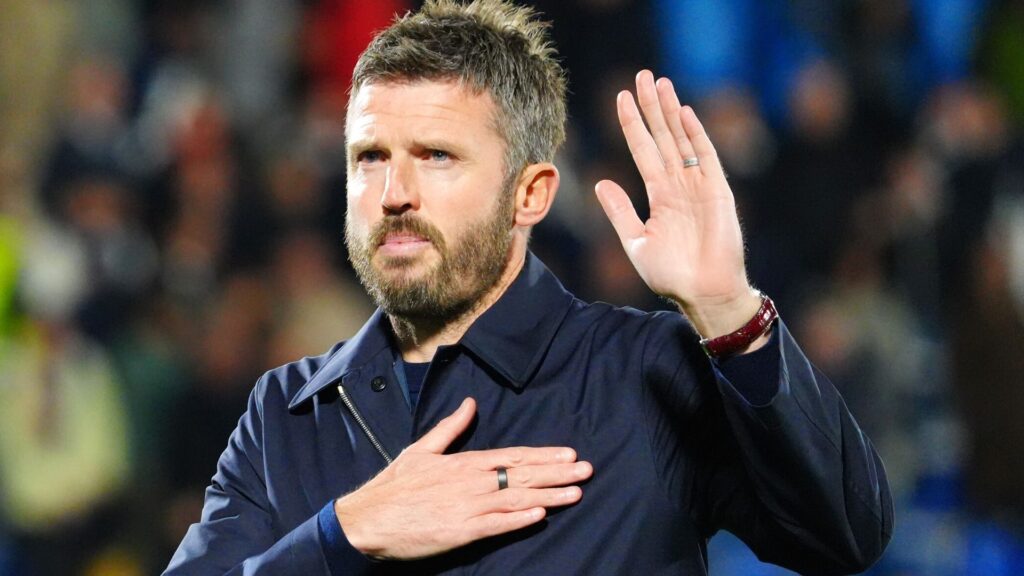
Manchester United entered the 2026‑27 Premier League campaign with high expectations, but a string of draws and defeats has left the club hovering near the lower half of the table. After the dismissal of the previous head coach in early October, the board appointed former midfield maestro Michael Carrick as caretaker manager, a move that mirrors the club’s recent habit of turning to ex‑players for short‑term stability.
Carrick, who spent 13 years at United and earned 17 caps for England, took charge of the side for the first time in a competitive match against Fulham in early October, guiding them to a 2‑1 win. The victory was hailed as a brief respite, yet the underlying issues—defensive frailties, a lack of clear attacking identity, and a thin bench—remain unresolved.
Why the Bournemouth fixture matters more than it looks
Bournemouth, currently sitting in the top half of the table, represent a litmus test for United’s interim leadership. A win would not only add three points but also signal that Carrick can translate his tactical ideas into results against a disciplined side. Conversely, a loss could accelerate calls for a permanent appointment, potentially pushing United deeper into a relegation‑type scramble.
The match also arrives at a crucial juncture for the club’s transfer window. United have been linked with several high‑profile signings, many of them African talents such as Senegal’s forward Sadio Mané (rumoured to be on loan) and Ghanaian midfielder Thomas Partey, who is reportedly seeking a move away. The outcome against Bournemouth could influence the board’s willingness to spend, as a positive result may justify a larger budget while a defeat could tighten the purse strings.
African fans, markets and the wider diaspora: what’s at stake
Manchester United commands a massive following across Africa, especially in Nigeria, Ghana, Kenya and South Africa, where the club’s merchandise sales generate millions of dollars each season. A prolonged slump in form threatens to dampen that enthusiasm, potentially lowering kit sales and reducing viewership numbers for the Premier League on African broadcasters such as SuperSport and StarTimes.
Beyond the commercial angle, United’s on‑field performance directly impacts African players who see the club as a gateway to Europe’s biggest stage. Young prospects from the continent watch United’s tactical set‑ups to gauge whether the team’s style will suit their own strengths. If Carrick’s interim period fails to restore a coherent attacking rhythm, it could dissuade African forwards from targeting United as a realistic destination, shifting talent pipelines toward clubs with more stable management.
The broader trend: ex‑players as stop‑gap managers and the African coaching gap
United’s reliance on Carrick reflects a wider pattern in the Premier League, where clubs often install former players as interim managers while searching for a long‑term solution. This practice, while offering short‑term familiarity, has sparked debate about the limited opportunities for experienced coaches from outside the traditional British‑European pool.
African coaches have historically faced a glass ceiling in top‑flight Europe. The most recent example is the appointment of South African‑born assistant coach Thabo Mngoma at a mid‑table club, a role that still falls short of a head‑coach position. Carrick’s appointment, therefore, underscores the need for clubs to broaden their coaching talent search, especially as African football continues to produce tactically astute managers who could thrive at the highest level.
What could happen next: scenarios for United and the African connection
If Carrick secures a win against Bournemouth and steadies the ship, the board may extend his caretaker tenure until the January transfer window, allowing United to assess potential signings—including the African targets mentioned earlier—with a clearer performance baseline. This would also give the club time to negotiate more favorable broadcast deals in Africa, capitalising on any resurgence in fan interest.
Should United falter, the club is likely to accelerate its search for a permanent manager, potentially eyeing high‑profile names with proven track records in Europe and Africa. A manager with African experience could appeal to the club’s growing fan base on the continent, opening doors for joint marketing initiatives, youth academy exchanges, and even pre‑season tours in Lagos or Nairobi.
Quick Answers
Why is Michael Carrick’s appointment as caretaker manager significant for Manchester United?
Carrick’s interim role highlights United’s reliance on former players for short‑term stability while the club searches for a permanent coach, a trend that affects both on‑field tactics and broader market decisions.
How could United’s form affect African fans and markets?
A poor run can lower kit sales, reduce TV viewership on African broadcasters, and diminish the appeal of United as a destination for African players.
What are the possible outcomes of the United‑Bournemouth match?
A win could extend Carrick’s tenure and boost transfer‑budget confidence; a loss may speed up the appointment of a permanent manager and reshape United’s African market strategy.
Source: www.skysports.com




💬 Comments 0