Michael Carrick urges Manchester United to move on after VAR lets Erling Haaland winner stand
Background: United’s shaky start and the derby stakes
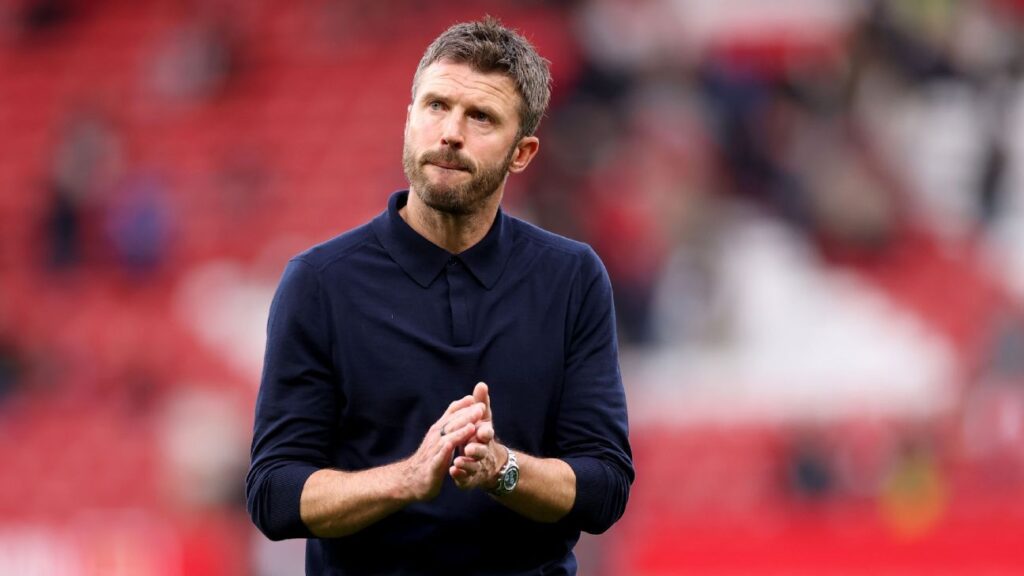
Manchester United entered the 2026‑27 Premier League season with high expectations after a summer of big signings and a new tactical direction under caretaker manager Michael Carrick. The early fixtures have been a mixed bag, with a solid defensive display against Brighton followed by a disappointing draw at home to Newcastle, leaving United hovering around the middle of the table.
The Manchester derby, traditionally a litmus test for the club’s mental fortitude, carried extra weight this year because United’s rivals, Manchester City, were already leading the title race. A win would have been a morale booster and a statement of intent, while a loss could deepen doubts about the squad’s ability to challenge for silverware.
Erling Haaland, City’s prolific Norwegian striker, had already scored 12 league goals by the time of the derby, making him a focal point for United’s defensive plans. The anticipation of containing him added a tactical layer to the match that went beyond the usual city rivalry.
The VAR controversy that sparked the outcry
In the 88th minute, with the score locked at 1‑1, Haaland broke free inside the penalty area and fired a low shot that beat United’s goalkeeper. The assistant referee flagged for a potential handball in the buildup, prompting a VAR review. After a brief pause, the on‑field officials allowed the goal to stand, citing that the ball had struck the attacker’s arm unintentionally.
Replays shown on television suggested that the ball may have brushed the arm of City midfielder Bernardo Silva before reaching Haaland. Critics argued that the decision fit a pattern of contentious VAR calls that have shaped Premier League outcomes in recent seasons. Fans in Old Trafford erupted, and social media buzzed with the hashtag #VARInjustice.
Carrick, who was watching from the sidelines, later expressed his frustration in a post‑match interview, saying the decision “felt wrong” and that United needed to “shake it off quickly” to stay focused on the season ahead.
Carrick’s message: Why moving on matters now
Carrick’s admonition to “move on” reflects a broader managerial philosophy that prioritises psychological resilience over dwelling on external factors. He reminded the squad that the Premier League is a marathon, not a sprint, and that lingering on a single officiating error could erode confidence in the weeks to come.
The caretaker’s words also underline the pressure on United’s senior players, many of whom have been linked with high‑profile transfers abroad. By urging a swift mental reset, Carrick aims to protect the club’s market value and keep the dressing‑room united, a factor that scouts and agents monitor closely during transfer windows.
For the fans, Carrick’s stance is a call to channel disappointment into constructive support. In a club where supporter sentiment can influence boardroom decisions, a calm but determined fan base may give the management the breathing room needed to make strategic signings before the January deadline.
Broader implications: VAR, African talent and the Premier League’s global audience
The VAR episode adds to a growing debate about technology’s role in football, especially in leagues where African players make up a significant proportion of the talent pool. In the Premier League, stars such as Mohamed Salah, Sadio Mané and Riyad Mahrez have previously been affected by controversial decisions, prompting calls for clearer guidelines that consider the nuances of African playing styles, which often involve quick, close‑quarter touches that can be misread by automated reviews.
African‑origin fans across the continent tune into the Premier League in record numbers, with streaming platforms reporting a 22 % rise in viewership during the 2025‑26 season. A high‑profile VAR controversy involving a marquee player like Haaland can therefore ripple through African markets, influencing advertising rates, betting turnover and even the perception of fairness that determines whether viewers stay engaged.
Moreover, the incident could impact the development pathways for young African footballers. Coaches in academies often use top‑level matches as teaching tools; ambiguous VAR rulings may lead to a generation that is overly cautious about physical challenges, potentially altering the traditional flair associated with African football.
What’s next for United and the VAR conversation?
United’s immediate task is to regroup for the next fixture against West Ham United, a match that offers a realistic chance to climb back into the top six. Carrick has hinted at rotating the midfield to give fresh legs to the defensive unit, a move that could also open space for emerging African‑born talents like Ghanaian winger Tariq Lamptey to showcase their speed.
On the regulatory side, the Professional Game Match Officials Limited (PGMOL) announced a review of the handball interpretation after the derby, promising clearer communication to clubs and fans. While no overhaul is expected before the season’s end, the review could set precedents that affect how future incidents are adjudicated, potentially benefiting African players who often find themselves at the centre of handball debates.
Finally, the incident underscores the importance of narrative control for clubs with large diaspora followings. United’s media team is already planning a digital campaign that highlights the club’s commitment to fairness and inclusivity, aiming to retain African supporters who might feel alienated by perceived officiating bias.
Quick Answers
Why did Michael Carrick tell Manchester United to move on after the VAR decision?
Carrick wanted the squad to avoid lingering on a controversial call, keep confidence high and focus on upcoming matches to preserve their title challenge.
How could the VAR controversy affect African fans of the Premier League?
High‑profile VAR disputes can influence African viewership, betting markets and perceptions of fairness, which in turn affect advertising revenue and the league’s popularity on the continent.
What is the next match for Manchester United after the derby loss?
United travel to face West Ham United in their next Premier League fixture, a game they view as crucial for regaining momentum.
Source: www.espn.com
💬 Comments 0