Michael Carrick warns Manchester United must find a spark after worst start in 12 years – 2026 season analysis
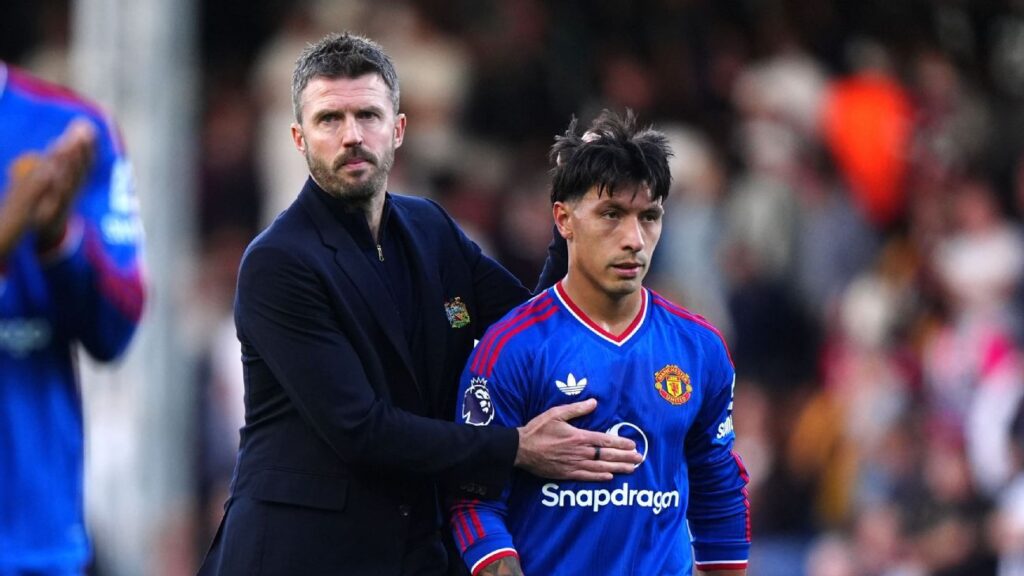
The context: United’s dismal opening games
Manchester United entered the 2026‑27 Premier League campaign with high expectations, yet after ten matches the team has amassed just five points, marking their poorest opening stretch since the 2014‑15 season. A string of draws and defeats against both relegation‑threatened sides and title contenders has left the squad languishing near the bottom of the table, a position that feels alien to a club accustomed to European nights and trophy cabinets.
Statistically, United’s defense has conceded 18 goals, while the attack has managed only three, highlighting a glaring imbalance. The lack of creativity in midfield and the absence of a reliable goal‑scorer have compounded the problem, prompting supporters to voice frustration across social media platforms. The club’s recent transfer window saw modest spending, but the new signings have yet to make a noticeable impact, further deepening the sense of stagnation.
Beyond the numbers, the morale within Old Trafford appears fragile. Reports from training sessions suggest that confidence has eroded, with senior players publicly questioning the tactical approach. This atmosphere has attracted scrutiny from pundits who note that United’s current trajectory could jeopardise their Champions League qualification hopes, a revenue stream vital for the club’s global operations.
Carrick’s pragmatic outlook and why it matters
Former United midfielder Michael Carrick, now in his first full season as head coach, addressed the crisis in a candid interview, acknowledging that “there aren’t many positives right now, but we have to find the ones that exist.” Carrick emphasized the need for incremental improvements rather than grand promises, stressing that stability in the back line and a clearer attacking pattern are immediate priorities.
His remarks reflect a shift from the typical optimism that new managers often project. By admitting the depth of the problem, Carrick aims to reset expectations among fans and stakeholders, a strategy that could reduce pressure on the dressing room. However, critics argue that such realism may also signal a lack of confidence, potentially emboldening opponents who sense United’s vulnerability.
The significance of Carrick’s stance lies in its impact on the club’s broader strategic plan. United’s board, led by executive chairman Richard Arnold, has publicly backed Carrick’s long‑term vision, but financial imperatives – including broadcasting revenue tied to league position – demand quick turnarounds. Carrick’s ability to translate his measured tone into tangible results will likely determine whether the board continues to grant him latitude or seeks a mid‑season replacement.
What the poor start means for African stakeholders
United’s struggles reverberate beyond the UK, especially among African fans and players who view the club as a gateway to global exposure. Ivorian winger Amad Diallo, who joined United’s academy two years ago, has been on the cusp of a first‑team breakthrough. A prolonged slump reduces his chances of featuring in high‑profile matches, potentially delaying a career trajectory that could inspire young talent across West Africa.
Commercially, United’s brand is a major driver of merchandise sales across the continent. A team languishing near the relegation zone typically sees a dip in jersey sales and digital subscriptions, impacting local retailers and African‑based e‑commerce platforms that rely on the club’s popularity. This downturn can also affect sponsorship deals that target African markets, such as the recent partnership with a South African fintech firm.
Moreover, the diaspora community in the UK, many of whom are of African descent, often uses football as a cultural touchstone. The club’s faltering performance may dampen community engagement events, from fan meet‑ups to charitable initiatives that United traditionally supports in African neighborhoods. In turn, reduced visibility could limit the club’s ability to leverage its platform for social projects on the continent.
The wider trend: ex‑players turned managers under pressure
Carrick’s situation mirrors a growing pattern in English football where former stars are fast‑tracked into managerial roles. Recent examples include former Liverpool midfielder Steven Gerrard at Aston Villa and ex‑Arsenal defender Laurent Koscielny’s brief stint at a Ligue 2 side. While these appointments generate excitement among supporters, they also expose clubs to heightened risk if on‑field results lag.
Analysts note that the transition from elite player to coach demands a different skill set, particularly in man‑management and tactical nuance. Carrick, who spent a decade under Sir Alex Ferguson, inherits a philosophy steeped in discipline, yet modern Premier League demands adaptability to data‑driven strategies and high‑pressing systems. The learning curve can be steep, and clubs that do not provide a robust support structure may see quick turnover.
For African football, this trend offers both opportunities and cautionary tales. Former African internationals such as Didier Drogba and Yaya Touré have expressed interest in coaching, viewing the Premier League as a proving ground. United’s experience could influence how African football federations prepare their retiring players for coaching badges, emphasizing mentorship and tactical education to avoid similar pitfalls.
Paths forward: realistic options for United’s revival
To arrest the slide, United must first tighten its defensive organization. Bringing in an experienced defensive coach or adjusting the formation to a more compact 4‑2‑3‑1 could reduce the goals conceded, allowing the team to rebuild confidence. Simultaneously, integrating academy prospects like Diallo could inject fresh energy and satisfy the club’s long‑term development agenda.
In the transfer market, United may need to act decisively during the January window. Targeted signings—particularly a proven Premier League striker and a deep‑lying playmaker—could address the glaring deficiencies highlighted by Carrick’s own analysis. However, any expenditure must be balanced against the club’s financial health, especially if league positioning threatens Champions League qualification revenue.
Finally, communication with the global fanbase, especially African supporters, will be crucial. Transparent updates on player development pathways and community initiatives can sustain loyalty even during rough patches. By aligning on‑field improvements with off‑field engagement, United can preserve its brand equity and keep the pipeline of African talent and commercial interest flowing.
Quick Answers
What did Michael Carrick say about Manchester United's early season performance?
Carrick admitted there are few positives after a ten‑game stretch that yielded only five points, stressing the need to find incremental improvements in defence and attack.
How could United's poor start affect African players and fans?
A slump limits playing time for emerging African talents like Amad Diallo, reduces merchandise sales across the continent, and dampens community engagement with the African diaspora.
What realistic steps can Manchester United take to turn the season around?
United can tighten defensive organization, promote academy prospects, make targeted January signings for a striker and playmaker, and maintain transparent communication with global fans.
Source: www.espn.com

💬 Comments 0